Why Chemical Compatibility Matters Before Filling a Tank
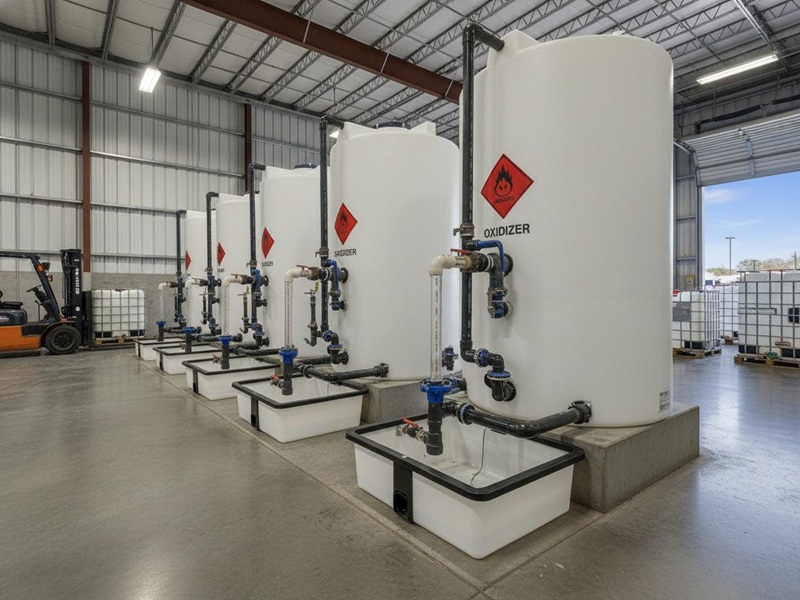
Chemical storage safety begins before the first litre enters your tank. Although a container may appear strong enough to hold industrial liquids, its construction materials must also withstand the substance being stored. An incompatible chemical can gradually weaken tank walls, damage fittings or trigger reactions that compromise safety. Whether you handle agricultural chemicals, industrial solvents or processing liquids, checking chemical compatibility helps you prevent leaks, protect product quality and maintain reliable storage operations.
Not All Tank Materials Resist the Same Chemicals
Different storage materials respond differently to chemical exposure. High-density polyethylene (HDPE), commonly used in plastic tanks and intermediate bulk containers, offers resistance to many chemicals but may deteriorate when exposed to certain solvents or oxidising substances. Stainless steel also provides considerable corrosion resistance, although its suitability depends on the steel grade and chemical involved.
When assessing options like plastic IBC containers for liquid storage, you need to confirm that the container material is compatible with the specific liquid. A tank suitable for one chemical may be unsuitable for another, even when both have similar storage requirements.
Using an incompatible material can cause swelling, stress cracking or corrosion. These effects may develop gradually, leaving the tank vulnerable to failure despite showing little initial damage.
Chemical Strength and Temperature Affect Tank Durability
Chemical compatibility is not determined by substance type alone. Concentration, operating temperature and exposure duration can influence how a liquid interacts with its container.
A diluted chemical may be compatible with a particular plastic, while a more concentrated formulation could accelerate material deterioration. Higher temperatures can also increase chemical activity and reduce resistance, particularly when storage conditions exceed the manufacturer’s recommendations.
Your compatibility assessment should therefore reflect actual operating conditions rather than general material ratings. Checking the intended chemical concentration, maximum storage temperature and expected holding period helps establish whether the tank can maintain its integrity throughout use.
Incompatible Fittings Can Compromise the Entire Tank
Tank compatibility extends beyond the main container. Valves, seals, gaskets and outlet connections may contain materials that react differently from the tank itself.
A chemically resistant tank can still develop leaks when its fittings deteriorate. Certain liquids may cause rubber seals to swell, harden or lose flexibility, reducing their ability to maintain a secure connection.
Before filling, examine the specifications for every component that will contact the liquid. Confirming the compatibility of fittings alongside the tank body reduces the likelihood of leakage during storage, dispensing and transport.
Chemical Residues Can Cause Dangerous Reactions
Reusing tanks without properly assessing previous contents introduces another compatibility risk. Residual chemicals may remain inside containers, valves or drainage points even after emptying.
When incompatible substances come into contact, reactions can generate heat, release hazardous gases or produce pressure inside the container. Residues may also contaminate the next chemical batch, affecting its quality or intended application.
You should verify the tank’s previous contents and follow an appropriate cleaning and decontamination procedure before introducing a different substance. Where complete cleaning cannot be confirmed, using a dedicated compatible container may provide a safer alternative.
Compatibility Checks Reduce Safety and Compliance Risks
A chemical leak can expose workers to hazardous substances, damage surrounding equipment and contaminate soil or drainage systems. These consequences become more serious when large quantities are stored or transported.
Under Australian workplace safety requirements, containers holding hazardous chemicals must be suitable for their contents and maintained in sound condition. Your chemical’s Safety Data Sheet (SDS) provides essential information, particularly Section 7 on handling and storage and Section 10 on stability and reactivity.
You should also consult the tank manufacturer’s chemical resistance guidance and confirm that any spill containment bund is compatible with the stored substance. Where compatibility remains uncertain, seek technical confirmation rather than assuming that a general-purpose tank is suitable.
Safe Chemical Storage Starts With Material Compatibility
Chemical compatibility determines whether your tank and its components can safely withstand the liquid throughout storage and handling. By checking material resistance, operating conditions, fittings and previous contents before filling, you reduce the risk of equipment failure and chemical incidents. Making these checks part of your routine storage procedures supports safer operations, protects product integrity and helps avoid preventable disruptions.