Safeguard Your Statement Furniture During a House Move
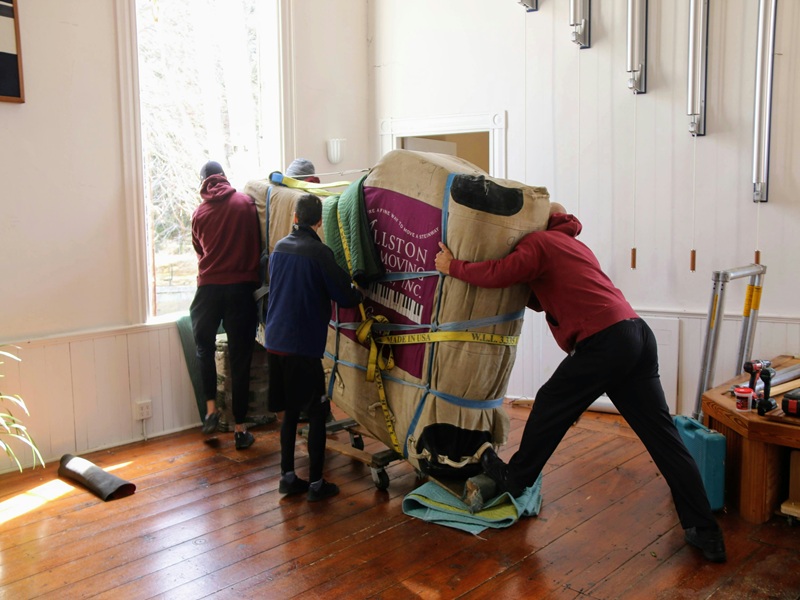
Statement furniture needs careful handling long before moving day arrives. Sculptural chairs, antique cabinets and oversized dining tables can be difficult to lift, awkward to fit through doorways and vulnerable to scratches or loose joints. A clear plan will help you protect both the piece and the property around it.
Start early enough to document its condition, source suitable packing materials and measure every part of the route to its new position.
Prep High Value Decor
Create an inventory at least two weeks before the move, recording each item’s dimensions, materials and existing marks. Photograph furniture from several angles, including close-ups of corners, legs, glass panels and decorative finishes. These images provide a useful condition record if you need to discuss damage later.
Clean each piece according to its material, then allow it to dry fully before wrapping. Dust trapped beneath a cover can abrade polished surfaces in transit. Empty cabinets, remove loose shelves and place small fittings in labelled bags so they don’t disappear amongst general moving boxes.
Disassembly and Strategic Wrapping
Take off detachable legs, handles, shelves and table leaves when the maker’s design allows it. Photograph each connection before disassembly and keep screws or brackets in separate labelled bags. Tape each sealed bag to a sturdy component or place all furniture fittings in one clearly marked box. Never apply adhesive tape directly to timber, leather, fabric or painted finishes.
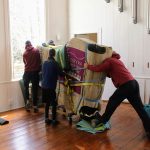
If you’re unsure how a large piece should be dismantled, discuss it with your chosen removalist before moving day. Specialist advice can prevent strain on joints and decorative sections. Use clean furniture blankets around solid pieces, corner protectors on sharp edges and acid-free tissue around delicate finishes. Corrugated cardboard can add rigidity, while stretch wrap should only secure the outer protective layer because it may trap moisture against furniture.
Partner With a Specialist Removalist
Ask prospective moving teams how they handle fragile, heavy or unusually shaped furniture. Give them accurate dimensions and mention narrow stairs, apartment lifts, sloping paths or limited parking at either address. A site visit or a set of clear photographs can help the team choose the correct crew size, equipment and vehicle space.
Request a written quote that explains packing, dismantling, reassembly and access charges. You should also ask about goods in transit insurance, including what it covers and any exclusions for owner-packed items. Confirm the claims process in writing. On moving day, keep pets and young children away from carrying routes, reserve lift access where required and ensure the front path is clear before the team arrives.
Placement Planning Before Arrival
Measure the new home’s doors, corridors, stair turns and lift interiors, then compare those figures with each item’s packed dimensions. Remember that protective wrapping adds bulk. A cabinet that only just fits when bare may become too wide once its corners and sides are padded.
Mark the intended position of large pieces on a simple floor plan and share it with the moving team. Painter’s tape can show the outline of a dining table or sideboard without leaving permanent marks, helping you check walking space and door clearance. Protect new floors before unloading begins and identify the correct orientation for one-way pieces such as chaise longues. Once an item is placed, inspect it under good light before removing every pad and keep the condition photographs nearby for comparison.
A statement piece should arrive ready to anchor the new room, not spend its first week blocking a hallway. Confirm the access route and final position a few days before the move, then keep the floor plan and fittings box somewhere you can reach immediately.