Queensland’s Big Wet: What Heavy Rain Means for Your New Backyard Shed
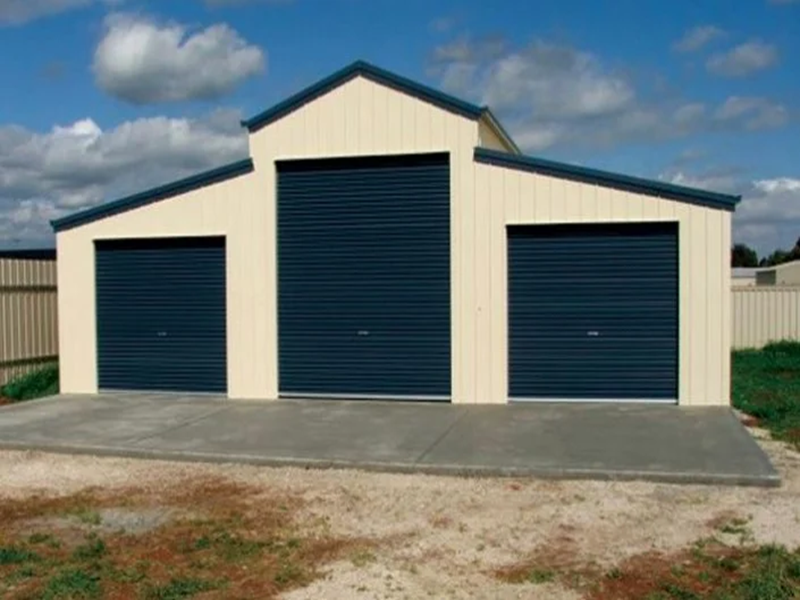
If you’re planning to put a new steel shed in the backyard, there’s probably a fair bit you’re looking forward to.
Perhaps it’s finally having somewhere to park the ute, a workshop where you can spread out your tools, or simply getting all that garden equipment out of the house garage. But before the shed goes up, there’s one thing none of us can control — the weather. And across south-east Queensland, it’s been causing some headaches lately.
When the Rain Just Won’t Stop
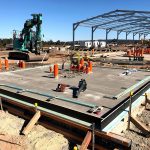
Heavy rain across south-east Queensland during October has been playing havoc with building schedules. According to an ABC News report published on 26 October 2026, Master Builders Queensland has warned that prolonged wet weather is disrupting concrete slab work, frame erection and roofing installation.
Smaller building businesses are particularly vulnerable. When projects are held up, it can mean delays in completing jobs and receiving payment. While the report covers the broader building industry, many of the same practical challenges apply to backyard sheds, domestic garages, rural storage sheds and small commercial steel buildings.
After all, you can’t pour a concrete slab on waterlogged ground, and you certainly don’t want installers working at height during dangerous weather.
Your Shed Might Be Ready, But Is Your Site?
One of the advantages of a prefabricated steel shed is that much of the manufacturing happens away from the building site. Your shed components can be manufactured, packed and ready for delivery while the weather is doing its worst. But there’s a catch.
A shed kit that’s ready to go isn’t much use if the site isn’t ready to receive it.
Imagine you’ve ordered a new 6m x 6m double garage for the backyard. The kit is ready, the concreter is booked, and you’ve organised a couple of days off work to help get everything sorted. Then it rains. And rains some more.
Suddenly:
- Your excavator can’t get onto the block without making a mess.
- The prepared ground is too wet for the slab work to proceed.
- Your concreter has other jobs backing up.
- The shed installation date needs to be pushed back.
- Your new shed kit could arrive before you’ve got anywhere suitable to store it.
It’s frustrating, but it’s also a fairly common situation when extended wet weather interrupts a building project. The good news is that a little planning can help avoid some of these problems.
Five Things Worth Checking Before Your Shed Arrives
1. Make Sure the Site Is Properly Prepared
Whether you’re building a small garden shed or a 9m x 7m workshop, good site preparation is essential. The ground needs to be appropriately cleared, levelled and prepared for the approved slab or footing design.
After extended rain, saturated ground may need additional time to dry out before earthworks or concreting can proceed. Don’t be tempted to rush things just because your shed kit is ready.
Your concreter or site contractor should confirm that conditions are suitable before work starts.
2. Don’t Book Everything Too Tightly
It’s tempting to schedule your concreter for Monday, arrange shed delivery for Thursday and have the installers arrive the following week. When everything runs smoothly, that’s great.
But if you’re building during Queensland’s wetter months, allowing a little breathing room between trades is often a good idea. Remember, concrete needs appropriate curing time before shed erection, and the timing will depend on the slab design, concrete specifications and advice from your concreter or engineer.
Having a sensible buffer in your schedule can save a lot of frustration.
3. Coordinate Your Shed Delivery
A prefabricated steel shed typically arrives as a collection of components, including wall and roof sheeting, structural members, flashings, fixings and other parts. These materials need a suitable unloading and storage area. If the yard is waterlogged or there’s no safe access for the delivery vehicle, receiving the kit can become difficult.
Before confirming delivery, check:
- Can the delivery vehicle safely access the property?
- Is there a firm, accessible area for unloading?
- Is there somewhere suitable to store the components?
- Are the slab and site works progressing as expected?
If the slab has been delayed, speak to your shed supplier about your delivery arrangements. A phone call before dispatch is generally much easier than dealing with a truckload of shed components arriving at an unsuitable site.
4. Keep in Touch With Your Installer
Shed installers often have several jobs lined up.
When prolonged rain delays one project, it can have a knock-on effect on the next. If your slab is running behind schedule, let your installer know as early as possible. Likewise, if you’re using a professional installation service, check that the site is ready and that the necessary approvals, drawings and footing details are available.
Clear communication makes it easier for everyone to adjust their schedules.
5. Understand Your Contract and Weather Delays
Nobody can guarantee perfect building weather.
If you’ve engaged a concreter or shed installer, it’s worth understanding how your agreement deals with weather-related delays. Some contracts provide for extensions of time when conditions prevent work from proceeding safely. However, the provisions and notification requirements depend on the particular contract.
Master Builders Queensland recommends checking contractual rights, following the required notification procedures and maintaining records when severe weather disrupts construction. It’s worth discussing these arrangements before work begins, particularly if you’re coordinating several different contractors yourself.
What About Sheds That Are Already Under Construction?
If your shed frame is standing but the roof isn’t on yet, heavy rain and storms can create additional concerns.
Partially completed structures may be more vulnerable to severe weather than finished buildings. Your installer should ensure that the structure is appropriately secured and braced during construction, in accordance with the manufacturer’s instructions and engineering requirements.
If severe weather has passed through your property, have the installer assess any potential damage or movement before work resumes.
And importantly, don’t attempt to climb onto an unfinished or storm-damaged shed yourself.
A Little Patience Now Can Save Problems Later
The attraction of a prefabricated steel shed is that, once the groundwork is completed and the site is ready, installation can often progress relatively quickly. But the foundation remains one of the most important parts of the entire project.
Whether it’s a modest garden shed, a double garage, a backyard workshop or a small commercial storage building, taking the time to get the groundwork right is an investment in the finished shed. A few extra days waiting for suitable conditions are generally preferable to dealing with avoidable foundation or installation problems down the track.
And while Queensland’s current wet weather will eventually pass, the lessons apply across Australia. From summer thunderstorms in Queensland to winter rain in Victoria and Western Australia, every region has weather conditions that can affect shed construction.
Planning a New Shed? Start With the Right Advice
At ShedBlog, we know that buying a shed is about more than simply choosing the dimensions and Colorbond colours.
There are decisions to make about site preparation, concrete slabs, access, approvals and installation. Getting these things sorted early can make the whole process considerably easier. So if you’re thinking about adding a new garage, garden shed, workshop or storage building to your property, take the time to plan the complete project — not just the shed kit.
Because the best shed projects start well before the first piece of steel goes up.