Root Intrusion Mitigation Strategies That Protect Bulkheads During Harbourside Tree Removal Services
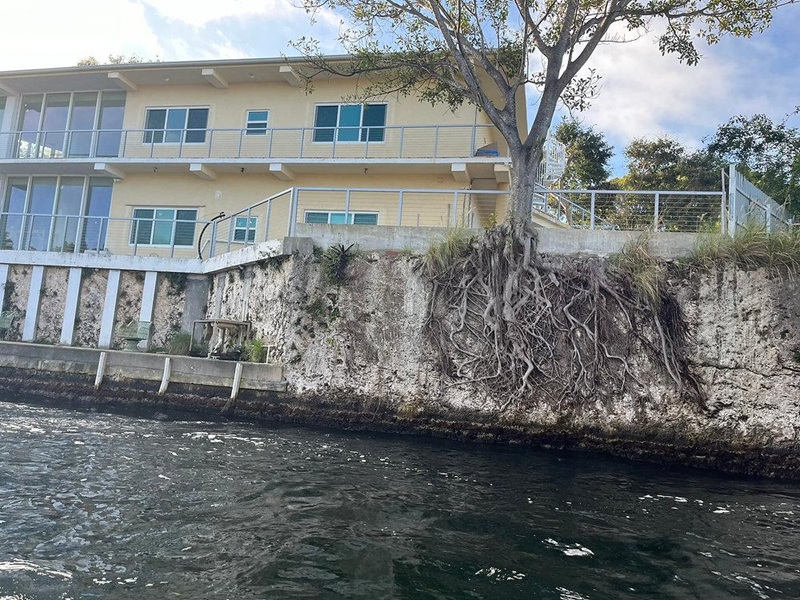
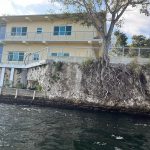
Harbourside properties often feature bulkhead walls—shoreline barriers built to prevent erosion and protect valuable land. Over time, mature trees planted nearby can send roots snaking through the soil, seeking moisture and stability. This situation creates a significant risk: tree roots damaging bulkhead walls from below or behind, undermining their strength and causing cracks, leaks, or even partial failure. When it becomes necessary to remove a tree growing close to the water’s edge, the challenge is to extract the tree without worsening existing problems or triggering sudden destabilization. Both property owners and professionals must focus on strategies that not only remove the hazardous tree but also prevent root intrusion from compromising the bulkhead’s structural integrity during and after the process.
Harbourside Bulkhead Vulnerabilities Caused By Invasive Tree Roots
Bulkhead walls constructed along harboursides are particularly vulnerable to root intrusion due to the soft, often shifting soil and the constant presence of water. Tree roots damaging bulkhead walls can force their way into expansion joints, seams, and even through small cracks, gradually prying them open and allowing water to seep through. This process accelerates the deterioration of timber, concrete, or steel components, depending on the wall’s construction. In some cases, roots may even form pathways for water, increasing the risk of washouts behind the wall and forming voids that weaken the structure.
One practical detail is that the type of bulkhead material (timber, vinyl, or reinforced concrete) influences both the extent of vulnerability and the best prevention approach. For example, reinforced concrete bulkheads can resist compression but may still suffer from root-induced cracking if roots exploit existing weaknesses. Understanding how roots interact with shoreline structures helps in predicting which walls are most at risk and tailoring mitigation strategies accordingly.
Identifying early signs of root intrusion—such as unexplained moisture behind the bulkhead or visible bulges—enables timely intervention before removal begins. This ensures that both the tree extraction and follow-up measures address not just the visible tree but the underlying root-related threats to the harbourside’s engineered defenses.
Advanced Techniques For Safe Root Severing Near Marine Structures
Removing trees close to bulkheads requires precision to avoid sudden destabilization or accidental damage to the wall. One widely used tool is the air spade, a pneumatic device that blows soil away from roots without cutting or pulling, allowing workers to inspect and selectively sever roots without excessive disturbance. This is especially important when dealing with tree roots damaging bulkhead walls, as indiscriminate cutting can trigger rapid soil movement and compromise the wall’s support.
Special care is taken to cut roots at a safe distance from the bulkhead, ideally beyond the “critical root zone”—the area where roots anchor the soil most effectively. Where roots must be cut closer, workers may employ hand tools and staged severing, removing a portion at a time to monitor soil response. Teams performing Harbourside Tree Removal Services routinely use these techniques to minimize disruption to marine structures. This approach allows the crew to adapt in real time if they observe any signs of soil collapse or wall movement during the process.
In situations where the root system has intertwined with the bulkhead itself, root barriers—physical membranes inserted into the soil—can be installed after partial removal. These help redirect any regrowth away from the vulnerable wall, adding a layer of protection for the future stability of the marine barrier.
Structural Stabilization Methods During Waterfront Tree Extraction
Stabilizing the soil and bulkhead during tree removal is vital for preventing sudden failure. One effective method is the use of temporary shoring—installing braces or supports between the bulkhead and unaffected soil to absorb any shifting pressure. In some projects, hydraulic jacks or steel plates are used to reinforce the wall as the roots are being severed, especially if initial inspections reveal existing cracks or bowing.
Another common strategy involves incremental removal, where roots are cut in stages over several days. This approach gives the soil time to settle and reduces the risk of abrupt void formation. During each stage, workers monitor soil movement and wall stability, making adjustments as needed. In cases where the wall is particularly vulnerable, geotechnical fabrics may be laid over exposed soil to prevent washouts and hold the earth in place while permanent repairs are made.
Understanding temporary stabilization for retaining walls is essential in these scenarios. By combining shoring, staged removal, and soil monitoring, crews can safely remove hazardous trees without sacrificing the long-term integrity of the harbourside barrier.
Post Removal Soil Management And Erosion Control Practices
Once the tree and most roots are removed, managing the disturbed soil becomes the next priority. Exposed areas are prone to erosion, especially when close to water. Installing erosion control blankets—biodegradable mats that anchor soil—helps hold the earth in place while new vegetation is established. These blankets are especially effective on slopes or where frequent tidal action or rainfall could wash soil away.
Some projects call for the addition of engineered backfill: a mix of gravel and compacted soil, specifically chosen to promote drainage and minimize settlement. This backfill is graded away from the bulkhead, reducing the risk of future pooling or pressure buildup against the wall. In highly sensitive areas, silt fencing or temporary retaining structures may be used to keep soil on site until the area is stabilized.
Finally, planting groundcover or salt-tolerant grasses helps bind the soil and provides a long-term barrier against erosion. These post-removal steps are tailored to the harbourside environment, ensuring that the bulkhead remains protected not just from future root intrusion, but also from the ongoing forces of water and weather.
Conclusion
Before scheduling tree removal near a waterfront bulkhead, arrange for a thorough inspection of both the root system and the wall’s current condition. This step enables tailored mitigation strategies—such as careful root severing, temporary support, and erosion control—that safeguard your harbourside structures through and beyond the removal process.