How Long Does Reclaimed Elm Furniture Last With Proper Care
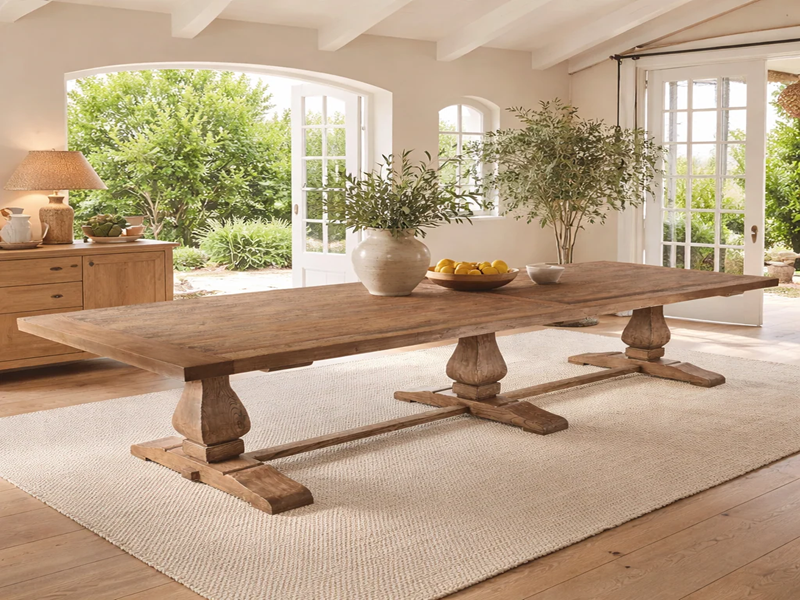
A well-maintained piece of elm furniture can outlast the person who bought it. That’s not an exaggeration; elm has been used in structural and decorative woodworking for centuries, and reclaimed examples carry the added advantage of timber that’s already proven itself over decades of use. The question of how long reclaimed elm furniture lasts with proper care doesn’t have a single answer, but 50 to 100 years is a realistic expectation for quality pieces under attentive ownership. A few intersecting factors shape the actual number: wood density, the environment it lives in, the finish applied, and how consistently you maintain it. Get those things right, and reclaimed elm becomes one of the most enduring furniture investments you can make.
The Natural Durability of Elm Wood
Elm sits in a category of hardwoods that woodworkers have respected for a very long time. Its interlocked grain structure – the same quality that makes it genuinely difficult to split – is exactly what makes it so resistant to cracking and warping under the kind of pressure domestic furniture faces every day. Pieces of reclaimed Elm furniture carry an extra layer of structural credibility: the timber has already dried out and stabilised over its previous life, so the movement that causes fresh-cut wood to crack has largely been spent. A reclaimed elm dining table or sideboard is already past the awkward settling phase that new timber goes through in its first few years. That matters enormously. And because elm’s interlocked grain resists splitting even under heavy loads, it handles daily demands better than many competing timbers at a similar price point.
Why Elm Outlasts Many Other Hardwoods
Elm’s Janka hardness rating sits at around 830 lbf, placing it in the mid-to-upper range of domestic hardwoods. That number reflects real resistance to surface dents and scratches, but the more telling quality is how elm responds to moisture cycling – the repeated swelling and shrinking that destroys softer timbers over time. Elm fibres run in alternating directions through the grain; this structure distributes stress across the wood rather than concentrating it in one plane. So when humidity rises in a coastal Queensland home during summer, or drops sharply in an air-conditioned interior, elm doesn’t develop the stress fractures that plague more uniform-grained species. Historically, you’ll find elm used in shipbuilding and wheel hubs precisely because of this property – applications where constant movement and load were unavoidable. That same resilience carries directly into furniture longevity. A piece of elm that receives even minimal care will typically resist surface degradation for decades before it needs any restoration work.
What Reclaimed Status Adds to Longevity
The “reclaimed” label isn’t just a style descriptor – it carries a genuine structural benefit. Timber that has spent decades as part of a building, a bridge, or an agricultural structure has been through countless humidity and temperature cycles already. The residual stresses in the wood fibres have been worked out over that time, producing a more dimensionally stable material than kiln-dried new timber. Reclaimed elm also tends to come from older-growth trees felled before mass forestry changed harvesting practices, which means the grain is typically tighter and the timber denser than what you’d find in a new-cut elm board today. Denser grain means slower moisture absorption, which reduces warping risk. It also means the surface takes a finish more evenly, producing better protection overall. Here’s the thing: when you ask how long reclaimed elm furniture lasts with proper care, part of the answer is that the reclaimed quality itself already adds years to the baseline – you’re starting with timber that’s more stable than its new-cut equivalent.
Care Practices That Determine How Long Reclaimed Elm Furniture Lasts
Understanding what damages elm is the first step toward preventing it. Prolonged moisture exposure and surface neglect – letting protective finishes break down without renewal – are the two main threats. Elm handles the occasional wet glass or a humid day without drama, but sustained moisture that sits in the grain or penetrates a worn finish causes wood fibres to swell unevenly, which leads to surface lifting, joint weakness, and eventual structural headaches. Heat is another concern: direct sunlight fades elm’s natural tones and dries out the surface oils that keep the wood supple. Position matters more than most people realise. A piece of reclaimed elm placed away from direct sun, air conditioning vents, and heating units will age far better than an identical piece set beside a north-facing window in a room that swings between extremes daily. These aren’t difficult adjustments, they’re choices you make once at setup.
Daily Habits and Moisture Control
The simplest daily habit is using coasters and mats consistently. Elm can handle brief contact with moisture, but leaving a wet glass or a hot dish directly on the surface for any length of time drives water or heat into the finish and eventually into the wood beneath. Wipe spills promptly with a dry or slightly damp cloth, then dry the surface thoroughly. Spray cleaners containing silicone or ammonia are worth avoiding – these strip natural oils from the wood and leave a residue that interferes with future finishing. For regular cleaning, a barely damp microfibre cloth is genuinely all you need. In rooms with fluctuating humidity (which covers most of coastal Australia through summer), a small humidifier or dehumidifier helps keep ambient moisture stable, directly reducing how much expansion and contraction the timber goes through each season. Felt pads under legs prevent moisture from wicking up through direct floor contact and stop scratching on hard floors; it’s a small thing that pays off over years. None of this requires specialist knowledge – it’s consistent attention rather than intensive intervention.
Protective Finishes and Periodic Restoration
The finish on your reclaimed elm piece is the main barrier between the wood and everything that shortens its life. Most quality pieces arrive with an oil or wax finish, sometimes a hardwax oil that combines the penetrating benefit of oil with the surface protection of wax. These finishes need periodic renewal – typically once every 12 to 24 months depending on use and UV exposure. The process is straightforward: clean the surface, lightly scuff with fine steel wool or 320-grit sandpaper if the finish has dulled significantly, then apply a thin coat of the appropriate oil or wax with a clean cloth and buff off the excess. But if you’re unsure what finish was originally applied, a water drop test tells you quickly. Water that beads on the surface means the finish is still active; water that absorbs within a minute or two means it’s depleted and renewal is overdue. Elm with a well-maintained finish resists moisture, minor impacts, and UV degradation far more effectively than bare or neglected wood. The trick is periodic restoration – not daily labour, and that’s what keeps a piece in excellent condition across decades.
Conclusion
Reclaimed elm furniture, when cared for properly, is a genuinely multi-generational material. Elm’s interlocked grain, the inherent stability of reclaimed timber, and consistent maintenance – position, moisture control, finish renewal – add up to a lifespan that stretches well past 50 years and often much further. Honestly, how long reclaimed elm furniture lasts with proper care comes down to the habits you build around it. The wood itself is already on your side; keep moisture away from the grain, renew the finish before it breaks down, and protect the piece from sustained heat and direct sun. Do those things, and a reclaimed elm table or sideboard bought today has every reason to still be in use well into the next generation’s hands.