Shed Door Won’t Close? A Troubleshooting Order From the Safety Beam to the Remote Battery
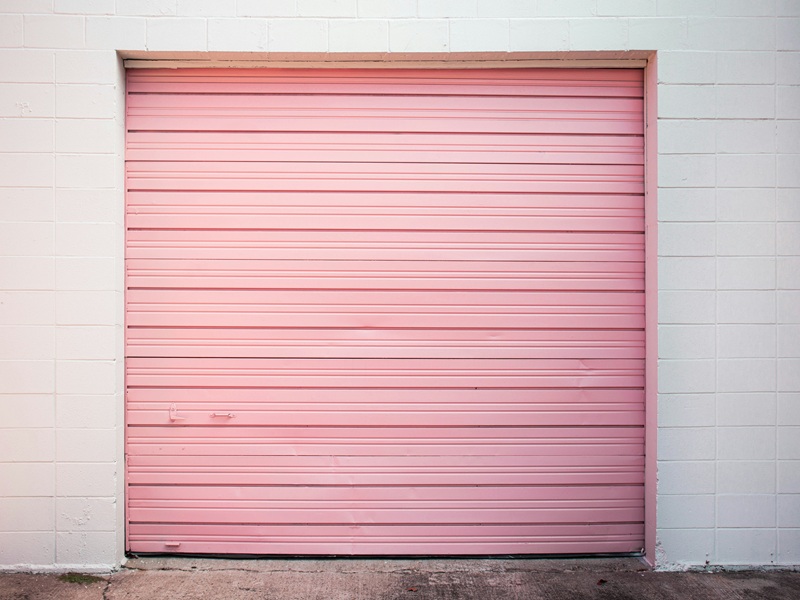
You press the remote, the motor hums and your shed door rolls partway down before it stops and heads back up. Before booking a technician, you may be able to work through a few cheap, safe checks. Many stuck doors come down to a dusty lens, flat battery or tripped switch, each taking minutes to sort out.
Why the Safety Beam Comes First
Most motorised roller and sectional doors have two safety-beam units mounted low on either side of the opening. One sends an invisible infrared beam across the doorway, and the other receives it. When anything breaks the beam as the door closes, the opener stops and reverses. That reversal protects kids, pets, bikes and cars.
The catch is that the opener treats a toddler and a cobweb alike. A leaf, a wheelie bin edge or a film of dust reads the same. Essentially, a door that drops a few centimetres and climbs back up is usually doing its job. Australia’s safety standard for residential garage door drives, AS.NZS 60335.2.95:2024, covers motors for vertical doors. Checking the beam costs nothing and needs no tools, making it the logical first stop.
Clear and Realign the Safety Beams
Start with the indicator lights. A steady LED usually indicates the pair can see each other, while a flickering or dark light points to a blockage or misalignment. Your opener’s manual will confirm what each colour means for your brand.
Next, clear the path. Remove anything in the opening, including rakes, eskies and potting mix. Then wipe both lenses with a soft, dry cloth. On rural properties, the same fine dust that creeps into tracks and moving parts can settle on beam lenses after harvest or windy weather.
Now check alignment. A bracket knocked by a ute tray or trailer may shift only a few millimetres, enough to break the link. Loosen the wing nut, line the two units up until the light holds steady and tighten it again.
Sun glare may also affect the beams. A west-facing shed door can stop closing every afternoon around 4 p.m. because low sun floods the receiver lens. A small shade hood or swapping the sender and receiver sides often solves it. Finally, trace the thin wires back to the opener and look for chew marks from rodents.
Check the Remote Battery and Signal
Test the wall button before you blame the problem on the remote. If the wall switch works but the remote does not, the fault lies with the handset. If neither works, skip ahead to the power checks.
Swap the battery next. Many remotes run on a small coin cell, and a weak one may still light the LED while sending a too-faint signal. Since 22 June 2022, Australian rules have required goods with user-replaceable button batteries, including remote controls, to have battery compartments designed to resist access by young children. Keep spare cells up high, and dispose of flat ones straight away so little hands stay clear of them.
Look for a lock or holiday setting as well. Many openers have a button that blocks remote signals while you are away. A long press can switch it on by accident.
Interference is the last suspect. Some LED globes and nearby transmitters can disrupt the signal. Try the remote from a metre or two away, then with the opener’s light globe removed. If range improves, the globe is likely the culprit.
Rule Out the Power Supply
A dead opener usually stays silent, so there will be no hum, no light and no response from the wall button. A common reset step is to unplug the opener for about 30 seconds, then plug it back in. That short break restarts the control board and can clear a glitch after a storm or brownout. If your opener is hardwired, use the isolator switch instead.
Head to the switchboard next. Look for a tripped safety switch or circuit breaker and reset it once. In any building, breakers that keep tripping might indicate an overloaded circuit, which often happens in sheds where an air compressor, welder or fridge shares power with the door motor. A rural workshop is a classic example — the opener may work perfectly until someone starts the compressor, then the whole circuit drops out.
If a breaker trips again straight after a reset, leave it off and call a licensed electrician. The same goes for any burning smell, scorch marks on the power point or a motor that hums without moving.
When to Stop and Call a Door Technician
Once you confirm that the beams, remote and power are functional, the remaining causes are usually in the door hardware. These jobs belong to a professional. Spring systems, lifting cables, motor repairs and door realignment require specialised training and equipment. The tension stored in a door’s springs can cause serious injury when released by mistake. Call a technician if you notice any of these signs:
- A loud bang from the shed, followed by a door that feels far heavier than usual
- Frayed or loose lifting cables
- A door that hangs crooked or binds in its tracks
- A door that stops short of the floor or reverses on a clear path, which usually means the limit or force settings need adjusting
- A motor that strains, grinds or runs hot
Resist the urge to tweak force settings yourself. Turning up the force can make a door close, but it also weakens the opener’s ability to reverse when it hits something.
Simple Monthly Habits That Keep Doors Closing
A little routine saves a lot of guesswork. Once a month, place a small high object in the doorway and close the door. It should stop and reverse on contact or as soon as the beam breaks. Wipe the beam lenses, test the remote from the end of the driveway and keep a spare battery in the shed drawer. Most openers also benefit from a yearly service, and your manual will list the interval for your model.
Closing the Door on Guesswork
A door that refuses to close usually has a simple solution. Work check the safety beams, the remote and the power supply to reveal problems. Keep the lenses clean, the batteries fresh and the circuit uncrowded. Leave springs, cables and force adjustments to a qualified technician. With these strategies in mind, the next stubborn door becomes a quick fix rather than a weekend lost.