Timber Floor Style Meets Everyday Durability
Your content goes here. Edit or remove this text inline or in the module Content settings. You can also style every aspect of this content in the module Design settings and even apply custom CSS to this text in the module Advanced settings.
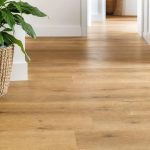
Homeowners love the look of timber floors – but not always the care and attention that comes with them. That’s where hybrid flooring comes in. With a realistic timber appearance but none of the fuss, it’s no wonder why it’s been a popular choice for many.
Construction and Installation
Hybrid floors feature a stable core, timber-look top layer and a protective surface layer. When combined, these layers create a floating floor that resembles timber but is hardwearing and suited to busy areas of the home.
The Timber-Look Layer
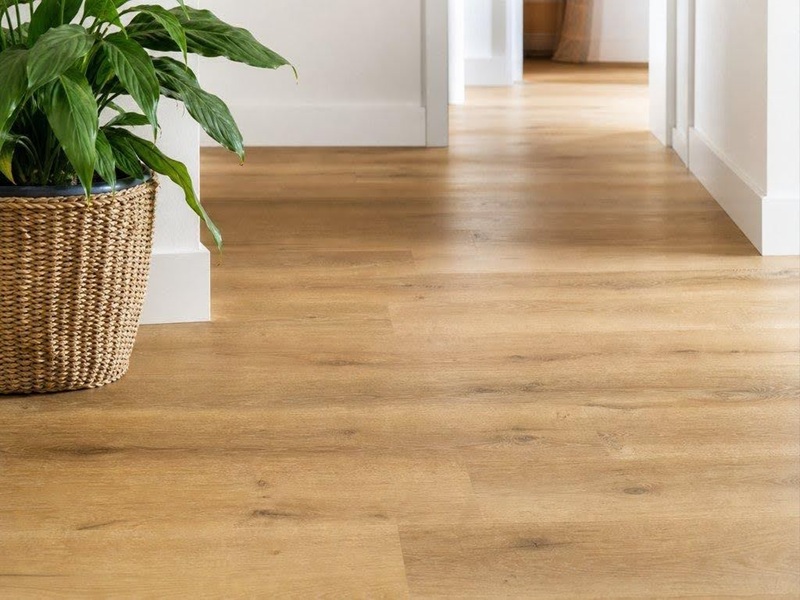
Hybrid flooring’s top layer is printed with timber’s natural colours, grains and knots, as well as natural timber variations found between boards. Above this layer is a protective surface layer that adds further scratch and stain resistance.
The Stable Core
Unlike other floating floors, hybrid flooring’s core is highly stable and dense, meaning less give when walking on the floor and less flexing and twisting of the boards themselves. Many hybrid floor ranges come with an underlay attached to the floor for an easier install and a quieter floor.
Easy Installation
Instead of nailing or glueing boards to the subfloor, hybrid floors are clicked together and floated over the subfloor. This can make the installation process quick and easy with minimal mess.
Busy Household Performance
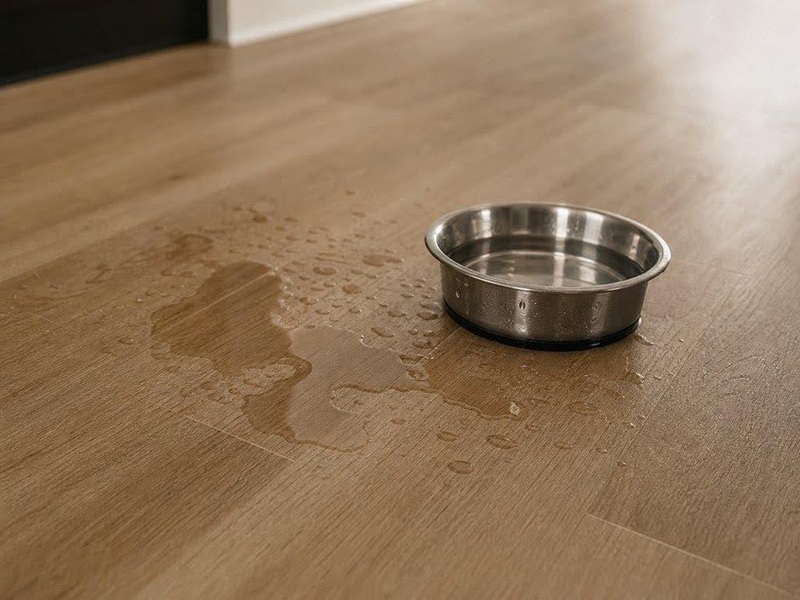
Hybrid floors are hardwearing and low maintenance, which makes them popular in high traffic areas of the home such as hallways, living areas, kitchens and entryways. Because hybrid flooring is water resistant, hardwearing and easy to clean, muddy feet, spills and crumbs are less concerning in those hard-used household zones.
Some of the practical benefits homeowners love about hybrid floors include the following:
- Timber looks without the care and attention (hybrid floors don’t need sanding and polishing!)
- Water resistance, so they’re great in moisture-prone areas
- Stability, as unlike thinner floating floors, hybrid floors’ dense core makes them feel solid underfoot
- Low maintenance, because sweeping with a soft broom or mopping (when suitable) is all that’s required
- Damaged boards can be replaced individually
Although hybrid floors are water resistant, we still recommend cleaning up any standing water immediately. Also, make sure your hybrid floor has been installed correctly, leaving expansion gaps around the edges, ensuring boards have been clicked together securely, and following the manufacturer’s recommendations for subfloor prep will ensure you get the most out of your floor.
Colour and Texture
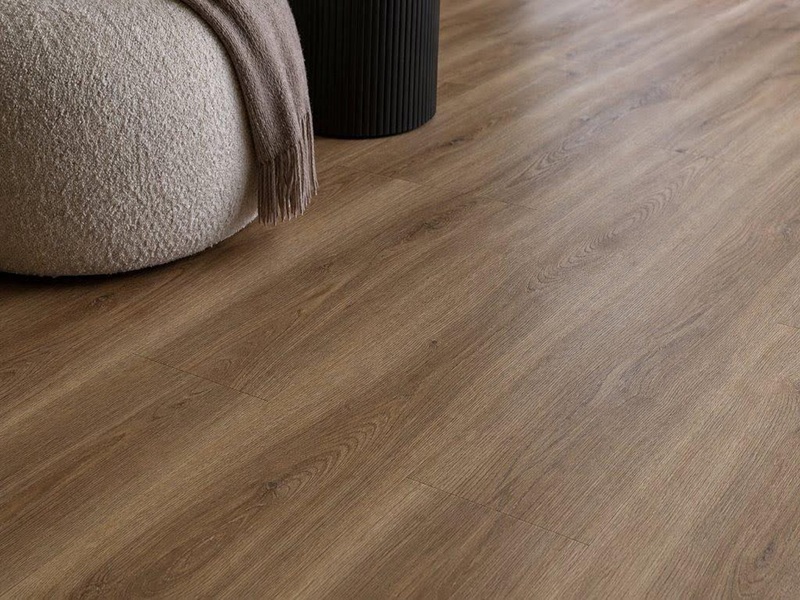
When choosing a hybrid floor, colour is often the first consideration, such as pale oak, browns, greys or dark timber, which are all popular looks. However, colour isn’t everything, so here are a few other things to consider:
Pattern repeat – take a look at several boards to see how often the same pattern repeats, and the less noticeable it is, the more realistic your floor will look!
Board width – wider boards make spaces appear larger, while narrower boards can look great in traditionally styled rooms.
Texture – smooth hybrid boards offer a contemporary look, while embossed boards mimic timber’s natural textures – visit this page to know more. Matte finishes also tend to disguise dust and imperfections better than glossier ones, especially in rooms flooded with natural light.
Keep in mind that lighting can affect your flooring’s colour, as what may look subtle in the shop could look darker against your cabinets or walls! Always request a sample to take home before making your decision.
Durability Limits
While hybrid floors are hardwearing, they aren’t invulnerable! Abrasion from dragging furniture (especially with dirty or rough feet), or grit underfoot, can scratch the floor’s wear layer. Protecting your floor with felt furniture pads, doormats and avoiding dragging furniture will help it stay in tip-top shape.
Hybrid floors offer stability underfoot thanks to their solid core; however, they still don’t offer the same benefits as thick timber boards, such as repair options and ageing characteristics.
If your room isn’t subjected to heaps of foot traffic and you’re after the look, feel and ageing qualities of real timber, then a timber floor might be the better choice for you (especially if you love the idea of your floor developing a patina over time).
Installation Requirements
Like all floors, hybrid floors need to be installed over a dry, flat, clean and stable subfloor. In some cases hybrid floors can be installed over existing flooring; however, make sure this complies with the manufacturer’s installation requirements and there’s no risk of the new flooring flexing or moving.
Expansion gaps (typically around 10mm, check the manufacturer’s installation guidelines) should be left around walls, posts and any other immovable objects so the floor is free to expand and contract with changes in the elements. Hybrid floors shouldn’t be fixed under cabinetry or other heavy fixtures and shouldn’t be screwed down (unless this is permitted). All of this will ensure your floor clicks together securely and expands and contracts as it’s designed to.
Underfloor Heating
If you have underfloor heating, make sure the range you choose is compatible with your system. Different ranges will have different temperature restrictions, suitable heating types and laying instructions.
Acoustics
If you are installing into an apartment/townhouse and particularly laying on to a ceiling above your neighbour’s living space, check whether the boards you are looking at comply with acoustic regulations. The underlay glued to the back of most hybrid flooring boards will assist in reducing sound, but it may not negate the need for a certified acoustic flooring system.
Room-to-Room Choices
Before choosing your hybrid floor, think about how you’ll be using the space. Lighter colours make small spaces feel open and airy; mid-tone colours tend to be easier to live with, as they hide dirt and imperfections better. Matte, textured finishes are great in homes with kids and pets, as they disguise minor imperfections.
Also consider how adjoining rooms will look – running the same flooring through multiple spaces can make them appear larger, while different floors can help delineate spaces such as the kitchen, hallway or living area.
Hybrid flooring offers the best of both worlds, providing the beauty of timber and practicality for busy households. Make sure you consider foot traffic, moisture, subfloor condition and aesthetics before choosing your hybrid floor, and always measure twice before ordering.