How to Make a Bare Metal Shed Feel Like Home
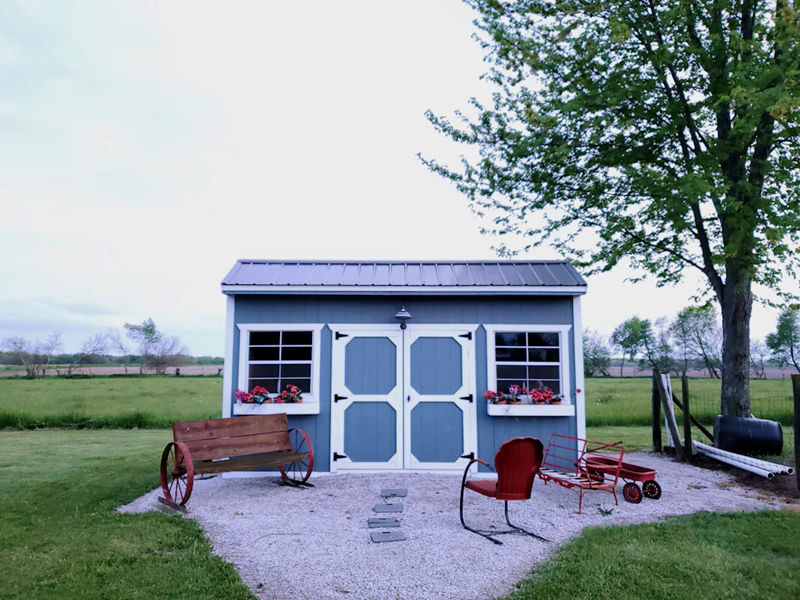
A bare metal shed can become a comfortable, welcoming room when you deal with the surfaces that make it feel cold, noisy and stark. Start with the floor, acoustics and daylight before adding decorative pieces. This order gives you a more comfortable base and helps each furnishing earn its place.
If the shed will serve as a studio, hobby room or occasional retreat, decide how you plan to use it throughout the year. Ideas from practical shed home conversions can help you think beyond appearance and consider temperature, ventilation and everyday function.
Address the Cold Concrete Slab
An untreated concrete slab draws warmth from your feet and makes even a well-decorated shed feel unfinished. Check for damp patches, fine cracks and dusty areas before covering it. Moisture needs attention first because trapping it under flooring or fabric can create odours and damage later.
For a quick improvement, clean the slab thoroughly and define the main activity zone with a rug. Leave clearance around doors, workbenches and anything that produces heat. Low-pile designs are easier to vacuum and less likely to catch under chair wheels, while a washable runner suits the route between the entrance and a garden work area. When comparing size, colour and design options, the rug range from Choices Flooring provides a useful starting point for working out what will suit a particular room layout.
Place a non-slip underlay beneath the rug, especially on smooth sealed concrete. If the slab stays very cold through winter, consider interlocking insulated floor panels or a professionally installed raised floor. Wall and roof insulation matter too. A practical guide to insulating metal buildings explains why air sealing, condensation control and correct material placement should be considered together.
Tame the Industrial Soundscape
Bare metal walls and concrete floors reflect sound, so a dropped tool or ordinary conversation can produce a sharp echo. You can test the room by clapping once in the centre. A long, ringing tail indicates that the shed needs more sound-absorbing surfaces.
Start with the biggest empty areas. Fabric-covered acoustic panels work well on walls and can look like simple artwork if you choose warm colours. Fix them securely according to their mounting instructions and keep them clear of damp sections. Cork boards offer a practical alternative above a desk because they absorb some sound while holding notes, calendars and sketches.
Open shelves filled with baskets, books and hobby supplies also break up reflections. Position a shelf on the wall opposite the main work area, where sound would otherwise bounce straight back. Soft floor coverings and lined curtains add another layer of absorption without taking up valuable floor space.
Seal rattling doors and loose window frames with suitable weather strips. This reduces draughts as well as the metallic vibration caused by wind. If you run noisy equipment, place anti-vibration pads under it and avoid pushing it directly against the wall.
Manage Natural Lighting and Shadows
Metal sheds can have awkward lighting: harsh glare near the doorway, deep shadows along the rear wall and bright reflections from shiny surfaces. Watch how daylight moves through the room during the hours when you expect to use it. This simple check will show you where a desk, reading chair or detailed work area belongs.
Use translucent blinds or curtains to soften direct sun without making the interior gloomy. Light-coloured wall linings help spread daylight, though a completely white room may increase glare. Warm off-white, pale grey or muted green creates a softer backdrop and still keeps the space bright.
Add lighting in layers. A diffused ceiling fitting provides general light, while an adjustable lamp handles close work. A small lamp beside a chair makes the shed feel more settled during an evening reading session. Choose enclosed fittings suitable for the shed’s conditions and arrange electrical work through a licensed professional.
Mirrors can redirect light, but place them carefully. A mirror directly opposite an uncovered window may create uncomfortable glare and extra heat. Test the proposed position with a lightweight temporary mirror before mounting anything permanently.
Add Functional Soft Furnishings
Soft furnishings bring colour and comfort into a shed, but every item should cope with dust, changing temperatures and regular use. Choose removable covers that can go into the washing machine, tightly woven fabrics and cushions that fit the way you use the room. Two supportive cushions on a bench will usually prove more useful than a large pile that has to be moved each time you sit down.
Curtains make the room feel less industrial while controlling glare and improving privacy. Keep hems clear of the floor, where they can collect dust or absorb moisture. If the shed door opens straight onto the garden, choose a darker or patterned fabric near the entrance so small marks don’t stand out.
Storage can be soft too. Fabric baskets organise charging cables, craft materials and spare blankets while reducing visual clutter. Label them clearly so the shed remains easy to use after the novelty of reorganising has worn off.
Finish with one or two personal pieces, such as a framed print, a washable throw or a seat in a favourite colour. Leave some wall and floor space visible. A shed still needs room for airflow, cleaning and changing activities, and an uncluttered layout will feel calmer.
Once the practical details are sorted, spend an hour in the finished space at the time you’ll use it most. You’ll quickly notice if a lamp needs moving, a draught needs sealing or the chair needs one more cushion. Those small adjustments are what turn a converted shed into a room you’ll happily return to.