How Better Test Gear Supports Safer Site Work
Safe site work depends on more than training and procedures. It also depends on whether the tools used to check circuits, confirm isolation, and verify performance are accurate, durable, and suited to the environment. Better test gear supports safer decisions because it helps workers identify faults earlier, avoid false readings, and carry out checks with more confidence in real site conditions.
Gives Clearer Readings in Real Conditions
One of the most direct ways better test gear improves safety is by producing clearer and more reliable readings on site. In electrical work, a vague or inconsistent result can lead to the wrong judgment about whether a circuit is live, whether a fault is present, or whether equipment is safe to reconnect. Better instruments are usually designed to maintain accuracy across a wider range of conditions, which matters when testing in heat, dust, confined spaces, or busy commercial settings.
That is why many technicians and contractors pay close attention to where they source their equipment. A trusted supplier of test gear and technical tools, such as Mektronics supplier of electrical tools and instrumentation, is relevant in this context because the quality of the available gear can directly affect how confidently workers carry out checks involving voltage, continuity, and insulation resistance before moving ahead with a task.
Helps Confirm Isolation Properly
A major safety risk on site is assuming something has been isolated when it has not. Better test gear reduces that risk by helping workers verify de-energisation more accurately before they start work. A dependable tester with the right safety design makes it easier to confirm whether voltage is present and whether an isolation process has actually worked as intended.
This matters because safe isolation is not just a procedural step. It is a control measure that protects people from electric shock, arc events, and accidental contact with live systems. When test gear is poorly made, slow to respond, or prone to inconsistent readings, it can create uncertainty at the exact moment clarity is needed most.
Reduces Errors During Fault Finding
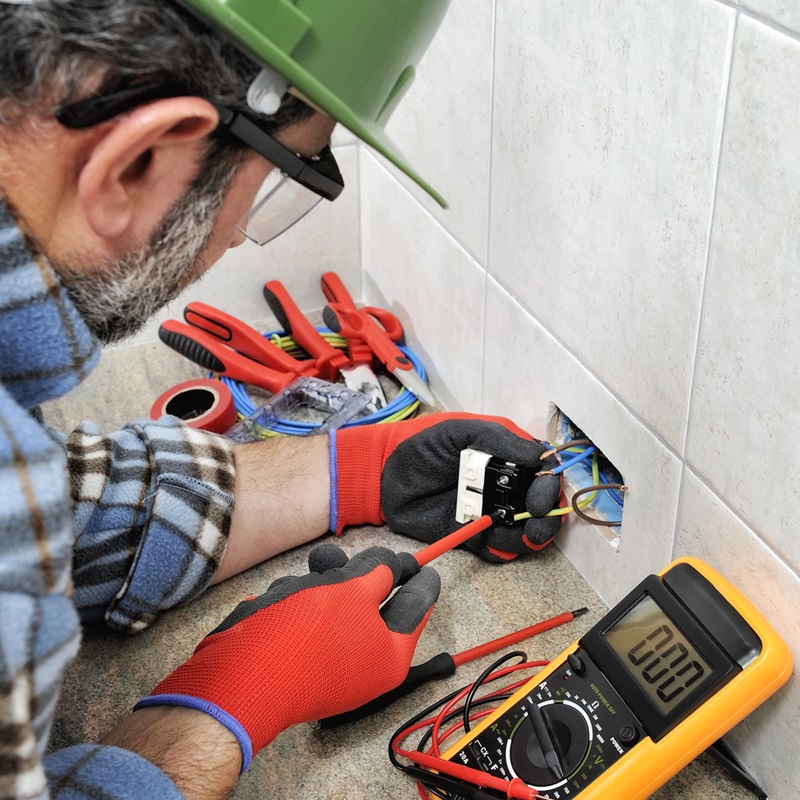
Fault-finding often takes place under pressure. A technician may be working to restore power, locate an intermittent issue, or check whether an installation meets requirements before handover. In these situations, better test gear supports safer work by reducing the chance of misdiagnosing the problem. Accurate readings help workers separate real faults from misleading symptoms and avoid unnecessary exposure to live testing.
Good fault-finding equipment also tends to have features that improve usability, such as stable displays, clear ranges, and better probe quality. These details are not minor. They make it easier to work methodically and reduce the chance of mistakes caused by poor visibility, awkward handling, or unclear measurement data.
Matches the Risks of the Environment
Not every site presents the same hazards, so test gear should match the level of risk. Better equipment is more likely to carry appropriate CAT ratings, robust housing, and relevant IP ratings for dust or moisture exposure. These specifications matter because they indicate whether a device is suitable for the type of electrical environment and physical conditions in which it will be used.
Using gear that is not rated for the task can introduce unnecessary danger. A tester designed for light-duty work may not be suitable for switchboards, industrial equipment, or outdoor installations. Safer site work depends on choosing gear that fits the setting, not simply gear that can take a reading.
Supports Compliance and Repeat Checks
Safer site work also depends on repeatability. Better test gear allows workers to carry out the same check more consistently over time, which is important for maintenance, verification, and documented compliance. Reliable instruments support clearer records and reduce disputes about whether a reading was valid at the time of testing.
This is especially important where checks involve protective systems such as RCDs, earthing arrangements, or insulation performance. If the gear is dependable, the results are more useful for both immediate decision-making and longer-term safety management. That supports not only the worker on site, but also supervisors, clients, and anyone relying on those results later.
Why the Right Gear Changes the Outcome
Better test gear supports safer site work because it improves the quality of the decisions made before, during, and after testing. It helps confirm isolation, reduces diagnostic errors, matches the demands of harsher environments, and strengthens confidence in compliance-related checks. When safety depends on what a reading tells you, better gear is not just a convenience. It is part of working responsibly.