How to Turn a Cold Steel Shed into a Year-Round Studio
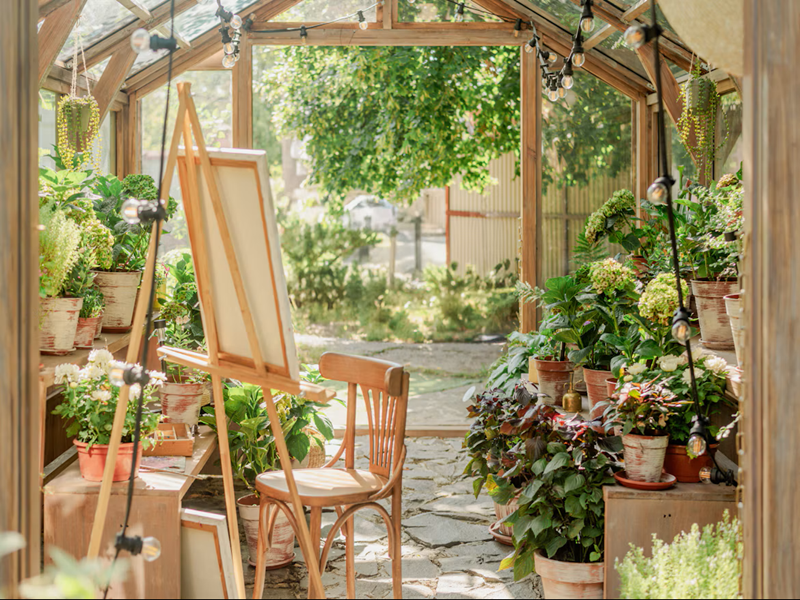
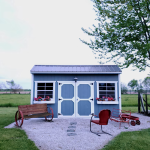
A steel shed can become a comfortable studio once its structure, insulation and openings work together as a complete building envelope. Before ordering materials, decide how you’ll use the room and at what times of year.
A home office may need steady daytime temperatures, while an art studio could also require extra daylight and moisture control. Check local planning and building requirements early, particularly if the conversion involves plumbing, electrical work or regular occupancy.
Assess the Steel Frame and Foundation
Start with a close inspection of the frame, roof, slab and connections. Look for corrosion, loose fasteners, water stains and gaps around the base. A level concrete slab should have no major cracking or persistent damp patches. If moisture rises through the floor, a suitable vapour barrier or surface membrane may be needed before installing the finished flooring.
Check the roof height and frame spacing too. These measurements determine how much insulation and internal lining you can add without making the studio cramped. Guides to creating a liveable metal shed also highlight the need to plan utilities and room layout before covering the frame. Ask a qualified builder or engineer to assess any significant movement or structural damage.
Add High-Performance Wall Insulation
Bare steel quickly transfers outdoor heat and cold into the room. It can also develop condensation when warm indoor air reaches a cold metal surface. A continuous insulation system helps limit both problems, especially when paired with correctly installed moisture control layers.
The best product depends on the frame depth, climate and planned wall lining. Rigid boards can reduce thermal bridging across metal framing, while bulk insulation fits between structural members. Practical guidance on insulating metal sheds covers common material choices and installation principles.
Don’t compress bulk insulation or leave narrow gaps around braces and electrical fittings. Insulate the roof as well, since summer sun can make an unprotected steel roof the studio’s largest source of heat gain.
Upgrade to Double-Glazed Doors and Windows
Windows and doors affect temperature control, daylight, noise and draughts. Double glazing uses two panes separated by a sealed space, slowing heat transfer through the glass. Aluminium frames should include effective seals and, where available, a thermal break that limits heat movement through the frame itself.
Position windows to suit the work. An artist may want even southern light, while a desk benefits from daylight entering beside the screen to reduce glare. Melbourne homeowners considering replacement aluminium units can consult Value Double Glazing Melbourne about measuring and installing double-glazed windows and doors.
Specify flashing, sill drainage and perimeter sealing as part of the job. Even high-performing glazing will disappoint if water or outdoor air can pass around the frame.
Manage Airflow and Ventilation Needs
An insulated studio still needs controlled fresh air. Opening windows may be enough during mild weather, but a room used daily can become stuffy when closed against summer heat or winter cold. Cross-ventilation works best when openings sit on different walls, allowing air to travel through the space.
Match mechanical ventilation to the activities inside. Painting, printing and craft work may produce odours or airborne particles that require local extraction near the workbench. A small office may only need a quiet exhaust fan and an operable window. Keep vents clear of stored items and direct humid air outside, not into a roof or wall cavity.
If you add heating or cooling, choose equipment after insulation and glazing are complete. The improved envelope may allow a smaller, cheaper unit.
Finish Internal Walls and Flooring
Internal linings protect the insulation and make the shed feel like a finished room. Plasterboard creates a clean surface, while plywood offers strength for shelves, tools and artwork. Plan fixing points before lining the walls so heavy storage doesn’t rely on hollow-wall anchors. Use moisture-resistant products in areas exposed to sinks or frequent cleaning.
For the floor, first test the slab for moisture and repair cracks. Vinyl planks, sealed concrete and engineered timber can all suit a studio, though each has different preparation requirements. Add acoustic underlay if the room will host music practice, video calls or machinery that creates vibration.
Finish with task lighting, enough power points and durable skirting around the slab edge. Once the door closes without a draught and the floor stays comfortable underfoot, the former cold shed is ready for regular use in every season.