Stainless Steel Products: A Guide to Quality, Durability and Versatility
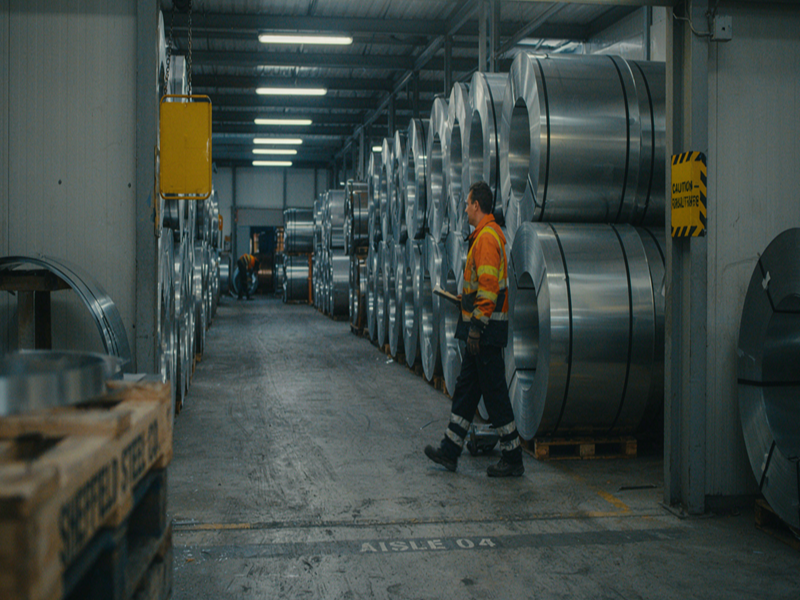
Stainless steel products have become essential across residential, commercial and industrial environments because of their durability, attractive appearance and resistance to corrosion. From kitchen equipment and architectural fittings to industrial machinery components, stainless steel offers a practical solution for applications that demand reliability and long-term performance. Its combination of strength, hygiene and relatively straightforward maintenance makes it a popular material across numerous industries.
As businesses and homeowners look for materials that balance functionality with appearance, https://stainlesstrading.com.au/ products from a reliable Australian supplier continue to be a relevant option. Understanding stainless steel’s properties, common applications, and selection criteria can help buyers make informed decisions and choose products that meet their specific requirements.
Understanding Stainless Steel and Its Key Properties
Stainless steel is an alloy primarily composed of iron, chromium and varying amounts of other elements, depending on the grade. Chromium plays a particularly important role because it forms a thin, protective oxide layer on the surface. This layer helps prevent corrosion and can repair itself when exposed to oxygen, provided the material is used and maintained appropriately.
Although stainless steel is often associated with a polished silver finish, it is available in various surface treatments, including brushed, satin and mirror finishes. These options allow manufacturers to produce components suited to different aesthetic and functional requirements.
Another important characteristic is its strength. Many stainless steel grades offer excellent mechanical performance, making them suitable for products exposed to regular use, physical stress and changing environmental conditions. Certain grades also provide good resistance to heat, while others are specifically designed to perform in demanding chemical or marine environments.
However, not all stainless steel is identical. Different grades have different levels of corrosion resistance, hardness, formability and weldability. Selecting the appropriate grade is therefore essential to achieving dependable performance.
Common Applications of Stainless Steel Products
One of the main advantages of stainless steel is its versatility. It can be manufactured into a wide range of products, from small precision components to large structural assemblies.
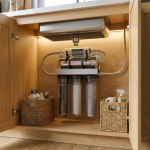
In residential settings, stainless steel is widely used for kitchen sinks, worktops, taps, cookware and storage solutions. Its smooth surface makes it relatively easy to clean, while its resistance to moisture helps it perform well in kitchens and bathrooms. Stainless steel fittings can also complement contemporary interiors, offering a clean and understated appearance.
Commercial environments rely on the material for similar reasons. Restaurants, catering facilities, hotels and food processing businesses often use stainless steel preparation tables, shelving, utensils and equipment. These products support hygienic working practices when properly designed, cleaned and maintained. Their durability also makes them suitable for environments where equipment is used frequently throughout the day.
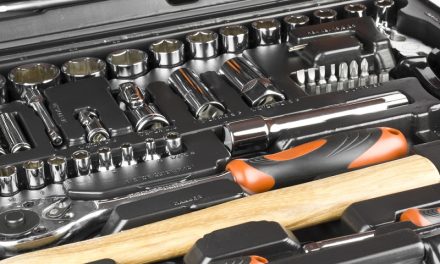
Industrial applications are equally diverse. Stainless steel can be found in tanks, pipes, valves, fasteners, machine components and manufacturing equipment. Depending on the selected grade, these products can withstand exposure to moisture, certain chemicals and demanding operating conditions. In construction, stainless steel is used for handrails, fixings, cladding and architectural features where strength and appearance are important considerations.
The medical, pharmaceutical and laboratory sectors also use stainless steel for selected instruments, equipment and surfaces. Its cleanability and resistance to many cleaning agents make it valuable in controlled environments, although the appropriate grade and surface finish must be chosen according to the intended use.
The Benefits of Choosing Stainless Steel Products
Durability is one of the strongest reasons to invest in stainless steel products. When correctly specified and cared for, they can provide years of dependable service. Their resistance to rust and corrosion can also reduce the need for frequent replacement, particularly in environments where ordinary steel may deteriorate more quickly.
Maintenance is another important benefit. Most stainless steel surfaces can be cleaned using warm water, mild detergent and a soft cloth. Regular cleaning helps remove dirt, grease and other contaminants that may affect the material’s appearance or performance. Avoiding harsh abrasives and unsuitable chemicals can help preserve the surface finish.
Stainless steel also offers considerable design flexibility. It can be cut, formed, welded and finished to suit a wide variety of applications. This allows manufacturers to produce customised components that meet specific dimensional, structural and aesthetic requirements.
Sustainability is another factor worth considering. Stainless steel is recyclable, and its long service life can reduce the frequency of replacement. Recycling helps recover valuable materials and supports more efficient resource use. Nevertheless, the environmental impact of a particular product also depends on its manufacturing process, transportation, expected lifespan and end-of-life management.
How to Choose the Right Stainless Steel Products
Choosing the right product begins with understanding where and how it will be used. A component intended for an indoor kitchen may have different requirements from one exposed to coastal air, industrial chemicals or outdoor weather conditions.
The stainless steel grade should therefore be matched to the environment. For example, a grade with suitable corrosion resistance is particularly important in areas exposed to salt, chlorides or frequent moisture. Using an inappropriate grade can lead to staining, pitting or premature deterioration, even when the product is marketed as stainless steel.
Surface finish also deserves attention. Smooth finishes may be preferred where cleanliness is important, while brushed finishes can provide a more understated appearance and help make minor surface marks less noticeable. Buyers should consider both practical requirements and the overall design of the space.
Dimensions, thickness and construction quality are equally significant. Products must be appropriately designed for their intended loads, operating conditions and installation requirements. For industrial applications, relevant technical specifications, material certifications and compliance documentation may also be necessary.
Working with a reliable supplier can make the selection process easier. A knowledgeable supplier should be able to explain available grades, provide accurate product specifications and recommend suitable options based on the application. Comparing quality, expected service life, maintenance requirements and total ownership costs is generally more useful than focusing solely on the initial purchase price.
Maintaining Stainless Steel for Long-Term Performance
Although stainless steel is designed to resist corrosion, it is not completely immune to damage. Surface contamination, prolonged exposure to chlorides and unsuitable cleaning products can affect its condition. Routine maintenance is therefore important, particularly in demanding environments.
Cleaning products should be appropriate for the selected grade and finish. Mild detergents and non-abrasive cleaning materials are suitable for many everyday applications. After cleaning, rinsing away residues and drying the surface can help minimise water marks and deposits.
It is also important to avoid leaving iron particles, metal filings or other contaminants on stainless steel surfaces. These materials can cause rust-coloured marks that may be mistaken for corrosion of the stainless steel itself. In industrial environments, following the manufacturer’s cleaning and maintenance recommendations helps preserve both appearance and performance.
Regular inspections can identify loose fittings, surface damage or early signs of deterioration before they become more significant problems. For specialised equipment, maintenance should follow the relevant technical guidance and safety requirements.
Conclusion
Stainless steel products offer a valuable combination of durability, corrosion resistance, hygiene and design flexibility. Their wide range of applications makes them suitable for homes, commercial facilities, construction projects and industrial operations. However, achieving the best results depends on selecting the correct grade, finish and product specification for the intended environment.
By considering quality, application requirements, maintenance and long-term value, buyers can make more informed purchasing decisions. With appropriate selection and care, stainless steel products can provide reliable performance and lasting value across a broad range of uses.