Tiles or Asbestos to Metal: What Changes Under a Brisbane Roof
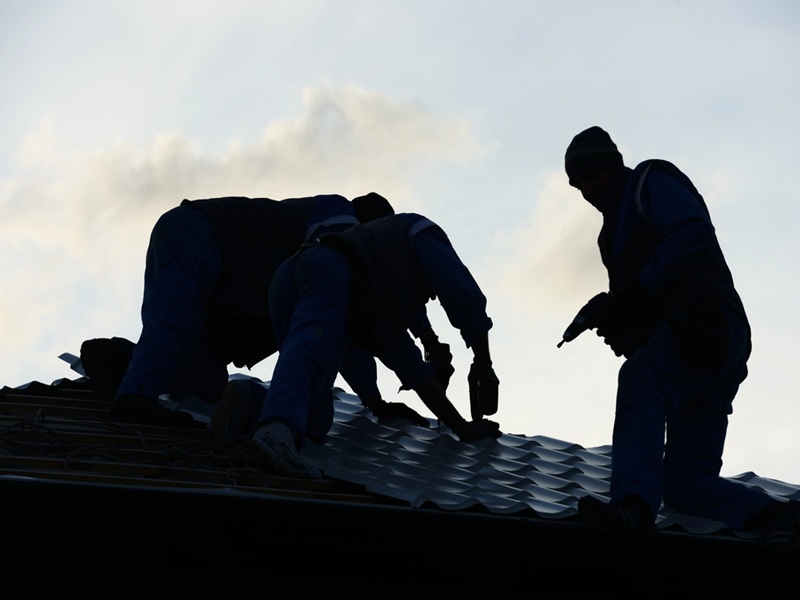
If you’ve owned a home in Brisbane for a while, your roof has copped years of sticky summers and storm seasons. Plenty of older Brisbane houses still sit under concrete tiles. Some post-war homes still have asbestos cement sheeting up top. Swapping either for metal changes a lot below the sheeting, and that work decides whether the new roof stays dry and stays put through the next storm season.
Why does going from tiles to metal change so much?
Weight. Concrete tiles are heavy, and that weight helps hold the roof frame down on the walls. Steel sheeting weighs a fraction of that. Once the tiles are gone, the frame’s fixings have to resist wind uplift on their own.
Battens are the other change. Tiles sit on closely spaced battens. Metal sheets need battens spaced for the sheet profile and the wind rating of your site, so on a lot of tile-to-metal jobs the old battens come off and new ones go on.
Asbestos roofs add a step at the start. Queensland’s Work Health and Safety Regulation requires a licensed removalist for more than 10 square metres of bonded asbestos sheeting. Ask whether your roofer holds that licence or brings in a crew that does.
Getting approval for a re-roof in Brisbane
A full re-roof usually needs building approval. It comes through a private building certifier, who lodges the application with council. That application is where frame tie-downs get checked, which matters most when heavy tiles come off and light steel goes on.
Brisbane re-roofer AMJ metal roofing has its certifier lodge the building application as part of the job, so check that any quote you get includes it. AMJ also handles asbestos roofs and insurance repairs, and its full roof replacements carry a 10-year warranty.
The estimator decides on site whether a tiled roof can go to metal at all, with advice from an engineer.
Tie-downs and the frame
Tie-downs are the metal straps and bolts that connect rafters or trusses to the top plate of the wall. Some run right down into the wall frame. A house built for a tiled roof often has fewer of them than a lightweight roof needs. With the roof off, the whole frame is exposed, and adding them will never be cheaper.
Be ready for one trade-off. If the engineer finds rotten or undersized timbers, frame repairs go on the bill on top of the sheeting, and the job runs longer. Rot found now costs less than rot found after a storm has damaged the ceiling.
What should go under the new sheets?
On a hot day bare steel gets very hot underneath. On a clear night it cools fast. Once it drops below the dew point, moisture in the roof space condenses on it and drips onto your ceiling. Brisbane’s humidity makes that common here.
An anticondensation blanket laid straight under the sheets stops it. It’s usually foil-faced glasswool, and it puts insulation at the roof line instead of only at ceiling level. It also keeps a fair bit of summer heat out of the roof space and takes the edge off the noise of a downpour on bare steel.
It won’t replace ceiling batts. Old, flattened batts still need attention, and most homes do better with both. Ask what thickness is quoted. Thin blankets do less for heat and noise.
Is this the time to sort out rats and possums?
Yes, and it’s easy to forget. Tiled roofs have gaps under the ridge capping and along the eaves where tiles meet the fascia. Rats and possums get in through them. Plenty of Brisbane households know the sound of something running across the ceiling at 2am.
While the roof is open, ask the crew to:
- check the roof space for nests and droppings before it’s closed up
- fit foam or rubber profile closures at the ridge and eaves so the corrugations don’t leave open channels
- add vermin mesh along the fascia line wherever a closure strip can’t seal the gap
- clear out old nesting material, which holds moisture and smell
Possums are protected wildlife in Queensland. If one has moved in, it has to be out before the roof is sealed. Trapping one inside causes far bigger problems.
How long does a tile-to-metal re-roof take?
Plan on at least a week for a normal house, scaffolding included.
Scaffolding and edge protection go up first. If you have solar panels, an electrician or solar installer takes them off before anyone touches a tile. The tiles then come off section by section, and the frame gets inspected as each part opens up. Tie-downs and any repairs go in before the new battens and blanket.
The last stretch is ridge capping, flashings, closures and usually new gutters. Solar goes back on and the certifier signs off.
Asbestos removal adds a day or two at the start, depending on roof size. Weather can add time anywhere. Good crews strip only as much roof as they can re-sheet that day, which matters in storm season when the afternoon sky turns fast. If someone promises a full tile-to-metal job in two or three days, ask what they’re leaving out.
Comparing re-roof quotes
Price per square metre says little on its own. Ask each roofer whether the certifier and the tie-down work are in the price. Then ask about blanket thickness and how they’ll seal the ridge and eaves. If one quote comes in well under the others, those are the first places to look.