The Practical Guide to Moving Bulky Outdoor Equipment
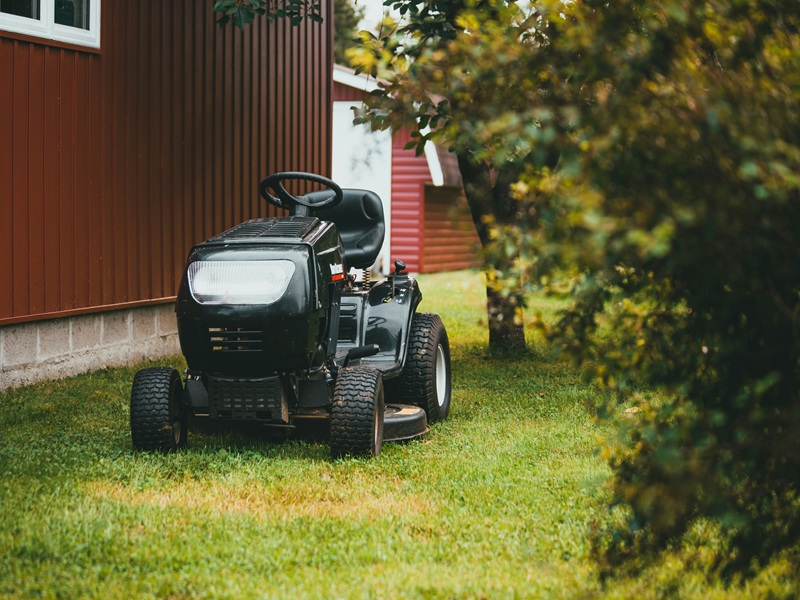
Bulky outdoor equipment needs more preparation than ordinary household furniture because weight, awkward shapes, and exposed metal can quickly cause damage. A ride-on mower may fit through the shed door yet still be too wide for a loading ramp, while storage racks can become confusing once dozens of similar parts are separated. A clear inventory, accurate measurements and suitable lifting help reduce manual handling risks and keep the move on schedule.
Start several days before collection so there’s time to clean, photograph and label everything properly.
Preparing Ride-On Mowers and Sweepers
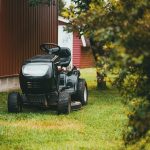
Clean ride-on mowers and powered sweepers before checking their dimensions against gates, ramps and vehicle openings. Grass, soil and oily residue can spread through a moving vehicle, while hidden debris makes leaks and damage harder to spot. Since fuel-powered machinery requires special preparation before transport, review the precautions for moving garden equipment and other shed contents before arranging collection.
Check the manufacturer’s transport instructions, then disconnect the battery if directed and protect its terminals with suitable covers. Fuel requirements vary between machines and carriers, so ask the transport provider what condition the tank must be in. Lower adjustable seats, fold handles where the design allows, and remove loose attachments. Photograph cable positions and connection points before taking anything off.
Record the machine’s length, width, height, and approximate weight. Give those details to your mover early, particularly if access includes gravel, slopes or narrow side paths.
Disassembling Oversized Storage Racks
Empty each rack fully and take photos from the front, sides and rear before reaching for the tools. Those images will show where braces, shelves and fixing plates belong when it’s time to rebuild.
Work from the top down, keeping the frame stable as weight comes off. Place fixings from each section into a separate labelled bag, then tape the sealed bag to a matching shelf or upright. Painter’s tape works well for temporary labels because it usually peels away cleanly. Mark parts with simple codes such as R1, R2, and R3 and add the same codes to your photos.
Long metal rails can scratch walls and other items in transit. Wrap them in moving blankets or corrugated cardboard, then bundle matching pieces without making the bundle too heavy to carry safely.
Coordination for Heavy Property Transit
Book professional help once you know the equipment dimensions, access conditions, and preferred moving date. If you’re relocating from a unit, character home or acreage property in Brisbane’s southern suburbs, Southside removalists can be considered alongside your broader house-moving requirements.
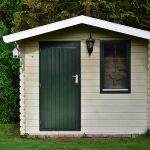
Tell the moving team about steps, low branches, soft ground and tight corners before they arrive. Photos of the route from the shed to the street can reveal problems that an address alone won’t show. Reserve a clear loading area and keep pets and children away from the work zone.
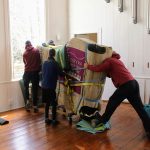
Confirm who will supply ramps, trolleys, and protective coverings. Heavy equipment should have designated lifting points, and improvised lifting from fragile guards or handles can bend components.
Preventing Corrosion During the Transition
Outdoor equipment should be completely dry before wrapping. Trapped moisture can create surface corrosion, especially when metal items remain covered overnight or spend several days in storage.
Brush away dirt, wipe exposed metal, and touch up small areas where protective paint has chipped. Apply the manufacturer’s recommended protective product to suitable surfaces, avoiding belts, electrical connections and areas that need grip. The causes and prevention of corrosion vary according to the metal, coating and storage conditions, so follow product-specific guidance.
Use breathable covers for short-term protection where possible. Plastic film can help shield equipment during loading, but don’t seal damp machinery inside it. Add cardboard or foam between stacked metal components and keep small parts in dry, clearly marked containers.
Rebuilding Your Outdoor System Fast
Plan the new shed layout before the equipment arrives. Mark spaces for racks, machines and workbenches, allowing room for doors and maintenance access. Reassemble storage racks first using numbered labels and reference photos. Check that each structure is level and secure before loading shelves.
Reconnect batteries as directed by the manufacturer. Check for leaks, damaged cables and loose parts before testing each machine in an open area. Keep manuals, spare fixings, photos and maintenance records together in one labelled container for easy access.