Turning Your Shed into a Powerhouse: How to Scale Solar and Battery Storage for Large Steel Buildings
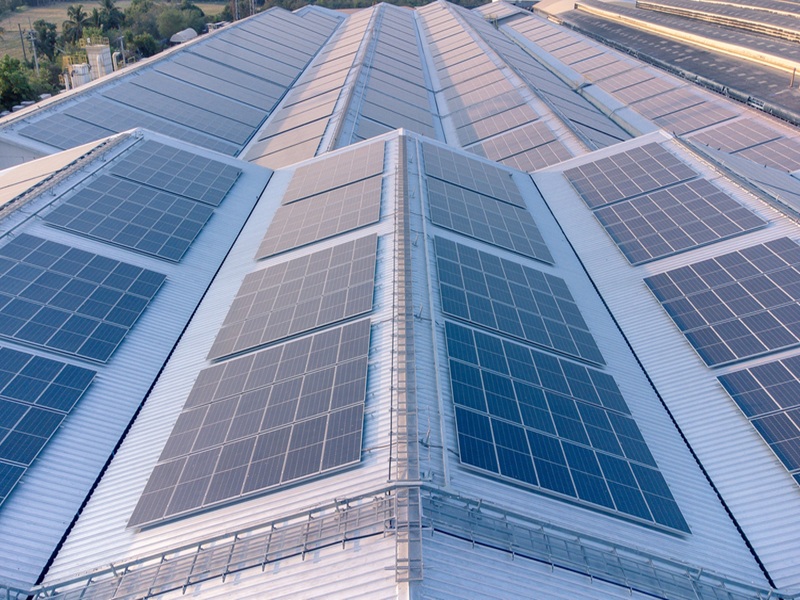
When planning a new commercial, industrial, or agricultural shed, the primary focus is usually on cubic meterage, door heights, and structural integrity. However, once the slab is poured and the steel is up, you are left with one of the most underutilised assets in modern property: a massive, unobstructed roof.
With grid electricity prices surging and rural power reliability remaining a constant headache, large steel sheds are no longer just for storing heavy machinery, livestock, or inventory. They are prime real estate for commercial-scale solar arrays and high-capacity battery storage.
Whether you are looking to power heavy industrial equipment, take an agricultural shed completely off-grid, or simply turn a dead roof space into a revenue-generating asset, here is how to strategically plan and procure renewable infrastructure for your next big build.
The True Value of Commercial Roof Space
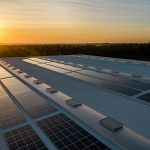
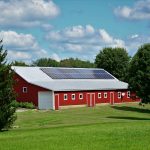
The business case for outfitting a large shed with solar is incredibly strong. Unlike residential homes, which have complex roof lines, shading issues, and limited space, a commercial or agricultural shed offers the perfect canvas for solar generation.
For industrial sheds operating heavy machinery (like CNC routers, welders, or commercial refrigeration), peak energy usage occurs during the middle of the day – exactly when solar panels are generating maximum power. By consuming this power on-site, businesses can effectively wipe out their most expensive daytime grid tariffs.
Furthermore, the Australian Taxation Office (ATO) offers attractive depreciation schedules for commercial solar assets, and the upfront capital costs are heavily offset by Large-scale Generation Certificates (LGCs) or Small-scale Technology Certificates (STCs), depending on the system’s size. Before installing, it is always crucial to ensure your shed design meets the required wind ratings and structural engineering standards to support the extra weight of a large-scale array.
The Procurement Mistake: Why Retail Solar Doesn’t Work for Big Sheds
While the financial returns are excellent, many shed owners and builders make a critical error during the procurement phase: they call a local retail solar company to outfit a commercial-scale building.
Retail solar installers are set up for suburban residential homes. When you ask them to outfit a 500-square-meter agricultural shed or a multi-bay industrial workshop, several problems arise:
- Retail Markups: Retailers bake massive profit margins and sales commissions into their quotes. When you are buying 50 to 100 panels for a large shed, paying retail margins completely destroys your Return on Investment (ROI) and extends the payback period by years.
- Residential-Grade Hardware: Retailers often push standard residential inverters that simply cannot handle the heavy three-phase power loads required by industrial shed equipment.
- Lack of Standardisation: If you are outfitting multiple sheds across a large rural property, retail installers often use whatever hardware they have on hand, resulting in a mismatched nightmare of different panels and inverters.
Bypassing the Middleman: Buying B2B
If you are investing the capital to build a heavy-duty commercial shed, you need to treat your energy infrastructure with the same commercial mindset. The secret to scaling solar cost-effectively is bypassing the retail middleman and taking control of your hardware supply chain.
By establishing a direct trade relationship with a quality solar distributor, business owners, farmers, and shed builders can secure commercial-grade panels and heavy-duty three-phase inverters at true wholesale prices. Centralising your procurement guarantees that your shed is fitted with reliable, uniform hardware designed for industrial workloads.
Once you have purchased the hardware at wholesale rates, you simply hire an independent, CEC-accredited electrical contractor to install the system. Stripping out the retail markup drastically reduces your upfront capital expenditure (CapEx) and accelerates your ROI.
Taking It Off-Grid: The Role of Heavy-Duty Battery Storage
For many rural and agricultural sheds, grid connection isn’t just expensive – it’s sometimes physically impossible or highly unreliable. This is where advanced battery storage transitions a shed from a simple storage unit into an entirely self-sufficient, off-grid powerhouse.
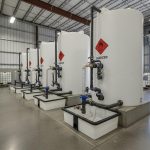
Modern “all-in-one” commercial battery systems can store massive amounts of daytime solar energy to keep heavy machinery, lighting, and security systems running seamlessly through the night or during grid blackouts. However, buying high-capacity batteries at retail prices is prohibitively expensive.
To make off-grid or hybrid storage financially viable, shed owners must source their systems through a trustworthy wholesale solar battery supplier. Buying direct unlocks access to industry-leading, high-capacity brands (such as Tesla, Sigenergy, and Anker) at commercial rates. These systems are built tough for Australian conditions, often featuring IP66 ratings that protect them against the dust, heat, and moisture commonly found in rural and industrial environments.
Conclusion
A modern steel shed is one of the most versatile structures you can build. By looking past its use as mere physical storage and recognising its potential as an energy-generation asset, you can fundamentally change the operating costs of your business or farm.
By avoiding retail solar companies and procuring your hardware directly through wholesale supply chains, you can build a heavy-duty, future-proofed, and potentially off-grid shed without overcapitalising.