Compliance Considerations for Sheds, Granny Flats, & Other Outdoor Structures

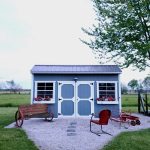
Are you considering adding a shed, granny flat, or other outdoor structure, such as a gazebo or pergola, to your backyard? This can be an excellent way to utilise additional space, increase property value, and elevate your home to the next level.
However, there are some compliance considerations that you need to take into consideration when planning to build an outdoor structure. This helpful guide will cover all the compliance factors that you need to keep in mind so that you can make a fully informed decision and avoid any unnecessary headaches.
Electrical Compliance
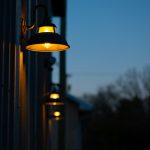
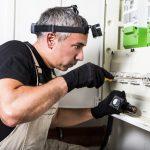
If you hope to include any electrical components in your new outdoor structure, such as power points, wiring, lighting, circuits, or any other such components, then you will need to hire a qualified electrician in Melbourne to complete this work for you. A fully qualified, licensed, and insured electrician is the only tradesperson who can complete electrical projects so that they will be fully compliant with local and national regulations.
An electrician can provide you with an electrical certificate of compliance, which states that all the electrical work has been carried out properly and is up to code. Importantly, any DIY electrical work that is performed without following the proper procedures and using the right tools can void any insurance policies you may have, as well as result in severe hazards, including the risk of a house fire, electrocution or even fatality.
This is the worst possible outcome for any DIY job, beyond something not working properly, so don’t risk it. Never attempt to DIY any electrical work, and always use an electrician for any outdoor structure installation.
Council Permits
Depending on your local government authority, like the local council, there may be permits required for installing permanent outdoor structures on your property. It is worth contacting your local council to enquire about this and determine whether or not a permit is required.
Going ahead without a permit can result in hefty fines and other penalties, so you should always see if permission is required first before committing to any work. Obtaining the permits can take a long time, so you can always work with the professional who is designing and installing your outdoor structure to ensure that everything is fully compliant.
By getting all your ducks in a row early on in your project, you can save yourself time when obtaining your permit by quickly providing as much detailed information as may be asked of you.
Relevant Building Codes and Structural Requirements
In addition to obtaining electrical compliance and council permits, your new outdoor structure must also comply with all the relevant building codes and structural standards, whether national or state-based. These regulations ensure that the outdoor structure is safe and suitable for occupation as well as durable and safe enough for its intended use.
Factors such as footing depth, framing materials, roof loading, and wind resistance all come into play here, particularly for larger structures like granny flats or fully enclosed sheds. Working with a licensed builder or other structural professional is the best way to ensure compliance is met in this area.
They will be familiar with the relevant Australian Building Codes and any state-specific requirements that apply to your project. Failing to meet structural standards can result in costly rectification work or even an order to remove the structure entirely, so it is essential to get this right from the outset.
Plumbing & Drainage Compliance
If your backyard shed or granny flat plans to include plumbing features, like a bathroom, kitchenette, laundry, or even an outdoor sink, then there are additional compliance considerations to address. All plumbing work must be completed by a licensed plumber and meet all local plumbing and drainage regulations, including proper connections to water supply, sewerage or septic systems, as well as adequate stormwater management.
Poor or non-compliant plumbing work can lead to major issues, such as leaks, water damage, health hazards, and environmental impact. Much like electrical work, DIY plumbing is not recommended, as it may void insurance policies and lead to serious long-term problems.
A licensed plumber can also issue a compliance certificate, giving you peace of mind that the work meets all legal and safety requirements, allowing you to address any future problems without worry.
Local Zoning, Boundaries and Setback Rules
Another key compliance factor when building an outdoor structure involves zoning laws, property boundaries, and setback requirements. Local councils often have strict rules regarding how close structures can be built next to existing fences, neighbouring properties, or easements.
These rules are designed to help preserve neighbours’ privacy, ensure proper access to utilities and roads, and maintain neighbourhood standards. Before any construction begins, it would be wise to confirm your property boundaries and check any relevant overlays or zoning restrictions that may apply to your build.
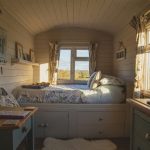
This is particularly important for building granny flats, which may have specific requirements relating to occupancy, size limits, or rental purposes. Overlooking these details can result in stressful or even costly disputes with neighbours and even enforcement action from the local council, which you ideally want to avoid.
A Compliant Conclusion
Building a shed, granny flat, or any other outdoor structure can greatly enhance the look and value of your property, but compliance should never be overlooked. Ensuring that your project meets all of the relevant electrical, plumbing, structural, and council requirements not only protects your investment but also keeps your home safe and legally sound for all who inhabit it.
By engaging with licensed professionals, obtaining the necessary permits, and following local regulations, you can enjoy your new outdoor space with confidence and peace of mind. Taking the time to plan carefully and meet compliance obligations from the start will save you from costly mistakes, safety hazards, and legal issues down the track.
Ultimately, a compliant outdoor structure does not just tick all the boxes but creates a safe, durable, and enjoyable addition to your home that stands the test of time and stands out.