How to Convert Your Shed into a Dog-Friendly Kennel or Rumpus Room

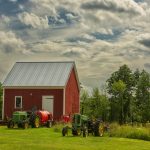
If your shed has turned into a bin full of old Christmas decorations and paint tins then it’s time to give it a new purpose. If you own a dog in Australia then an underused shed can be of particular benefit. A few modifications can turn a shed into a cosy and secure dogshed or even a “dog rumpus room”. In this way your dog can play, sleep and be out of the weather without filling your house.
Consider the following prior to breaking down shelving.
1. Start with Ventilation
Sheds get hot. They get very hot. A standard steel shed in the summer can become an oven. Good airflow is the number one improvement you can make to any pet friendly shed.
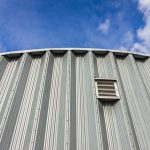
- Roof or gable vents to allow hot air to exit
- At least one window or louvre to allow for cross ventilation
- For larger sheds or high humidity environments, a small exhaust fan may be beneficial
- In colder climates, insulation can be used in conjunction with ventilation to prevent extreme temperature fluctuations during the winter months
With good airflow the temperature inside the shed will be more consistent throughout the year. This is far more important with pets than with tools. Pets cannot adjust their own temperature like we can and there is a risk of heat stroke in an uninsulated shed.
2. Get the Flooring Right
Many Aussie sheds use bare concrete. It is hard, it is cold and it is not particularly kind to joints, particularly in older or large dogs.
Some good flooring types are:
- Rubber matting – joints are cushioned, non-slip and easy to hose down
- Vinyl or epoxy coating – smooth, non-absorptive and easy to clean
- Raised orthopedic or dog beds – can be placed on top of any hard flooring to provide added comfort
Whatever type you use, ensure that it is non-porous and easy to clean. Accidents do occur particularly with young puppies. If the flooring absorbs moisture then odours will be retained and mould will develop.
3. Insulate for Temperature Control
This is where a shed conversion for pets overlaps almost exactly with a standard shed insulation job. Reflective insulation (or foilboard) in the walls and roof serves two purposes – it helps the space to be usable by your pet and also provides protection for any equipment or furniture that may be in the shed with the pet.
If you are already thinking about insulating the shed for another reason, now would be a good time to incorporate the pet space into that insulation rather than attempting to do it later as a separate job.
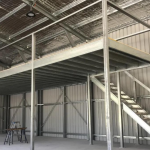
4. Think About Layout: Kennel vs. Rumpus Room
There’s a real difference between a functional kennel and a proper rumpus room, and it’s worth deciding early which one you’re building.
A kennel setup typically includes:
- A dedicated sleeping/bedding zone, away from drafts and doors
- Secure fencing or a partitioned run if the dog has outdoor access from the shed
- Food and water stations on easy-clean flooring
A rumpus room setup adds:
- Open floor space for play
- Durable, chew-resistant furniture
- Storage for toys, leads, and grooming gear
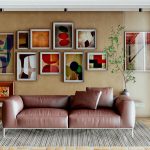
- Possibly a small sofa or rug zone for you to hang out too
Many owners land somewhere in between — a secure, comfortable base with enough open space for the dog to move freely, rather than a pure containment kennel.
5. Don’t Forget Security and Escape-Proofing
Whatever the layout, check the basics:
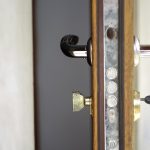
- Doors that seal properly (no gaps a determined dog can push through)
- Vermin and ember seals if you’re in a bushfire-prone area — these also stop smaller pests getting in and disturbing your dog
- Fencing reinforced if the shed opens onto a yard
6. Lighting and Power
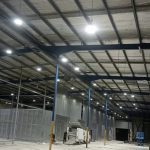
If you’re spending much time in the shed there should be at least one bare bulb. A couple of well placed lighting fittings or LED strip lights will give useable lighting at night. There should be a power point so that a fan can be used in summer or a safe heater in winter.
Is It Worth It?
A converted shed for a dog is something that has a lot of value to many dog owners in Australia, especially for large dogs, or for owners with more than one dog, or for shedding breeds. It provides a clean, secure and comfortable area without compromising the lounge room. It is also a very worthwhile use of a structure that could otherwise be only half used.
If you are yet to select your dog or if you are planning on breeding dogs and require space for several puppies then it is advisable to plan the shed according to the breed of dog you will be purchasing. High energy and large breeds will require more open space and more durable flooring than a small companion dog.