The Importance of Good Planning for Any Building Project
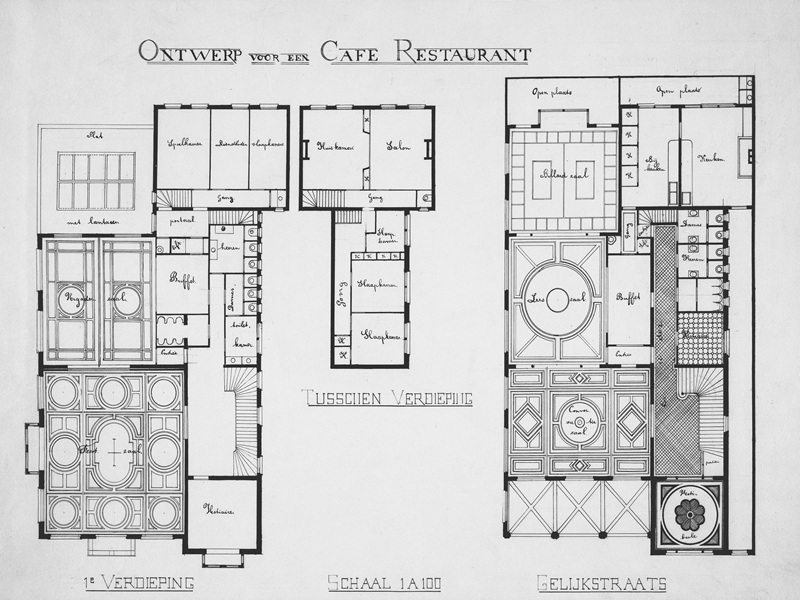
Any building project’s success is really decided long before you even break ground. Whether it’s a simple backyard shed or a big home extension, good planning directly affects your budget, timeline, and the final outcome. Rushing into construction without a solid plan is just asking for stress, cost blowouts, and disappointment. But a well-thought-out plan acts as your guide for a smooth process and a finished product that truly meets your expectations. The significance of proper planning is incredibly important; it turns an idea into something you can actually do and achieve.
Setting Clear Goals
Before you can figure out ‘how’ to build, you need to nail down ‘what’ you’re building and ‘why’. The first step is setting clear, specific goals. Vague ideas like “more space” aren’t enough. You need to dig into the details of what you want to accomplish. Are you building a workshop for your hobbies, a home office for remote work, or an extra bedroom for a growing family?
To get your vision clear, ask yourself:
- What’s the main purpose of this new structure or space?
- What are the absolute ‘must-have’ features, and what would just be ‘nice-to-have’ extras?
- How should the new build look and feel? Think about the style, materials, and overall aesthetic.
- How will it connect with or complement your existing property?
Writing these goals down gives you a clear reference point. This will guide all your future decisions and help prevent expensive changes and the project getting out of hand once work starts.
Budgeting and Timeline Accuracy
Money and time are often the biggest stress points in any building project. Good planning helps you get a firm handle on both. A detailed budget should be much more than just one big number. It needs to break down all expected costs, line by line, including materials, labour, council fees, and consultant charges. A successful project plan always includes a contingency fund, usually 10-20% of the total cost, to cover anything unexpected.
Likewise, a realistic timeline is crucial. Work with your builder or project manager to map out the key phases and milestones, from site preparation and foundation work to framing, lock-up, and the final fit-out. Don’t forget to factor in potential delays like bad weather or supply shortages. A well-structured timeline keeps everyone on the same page and helps the project move forward efficiently.
Navigating Approvals and Regulations
Most building projects in Australia must comply with specific rules and regulations. Skipping approvals can result in fines, legal issues, or demolition orders. Start by checking with your local council to determine whether you need a Development Application (DA) or Complying Development Certificate (CDC).
Projects must also meet the National Construction Code (NCC) safety, health, and sustainability standards. Unit and townhouse owners should also check strata or body corporate rules, which may have additional renovation requirements.
Choosing the Right Professionals
Unless you’re doing a very small DIY job, you’ll need a team of professionals to make your vision a reality. This could include an architect or draftsperson, a surveyor, an engineer, and most importantly, a qualified builder. Choosing the right people is essential. Always check their licences, insurance, and references. Ask to see examples of their past work to make sure their quality and style match what you’re looking for.
For specialised projects, it’s smart to hire experts who understand the unique challenges. For example, apartment renovation specialists are experienced in handling the complex requirements of strata approvals and inner-city building constraints, saving you headaches later on. The right team won’t just deliver a great result; they’ll also make the whole process smoother and less stressful.
Foreseeing Potential Challenges
Ultimately, successful construction isn’t just about having a great vision. It’s about being prepared for what could go wrong. Anticipating risks, planning for delays, and keeping a contingency budget can turn unexpected challenges into manageable setbacks. The stronger your preparation, the more confidently you can move through construction and achieve a finished project that delivers lasting value. Good planning doesn’t just prevent problems. It gives you the confidence and control to build better, with fewer surprises and greater peace of mind.