From Blueprint to Build: An Essential Guide for Building a Solar Home
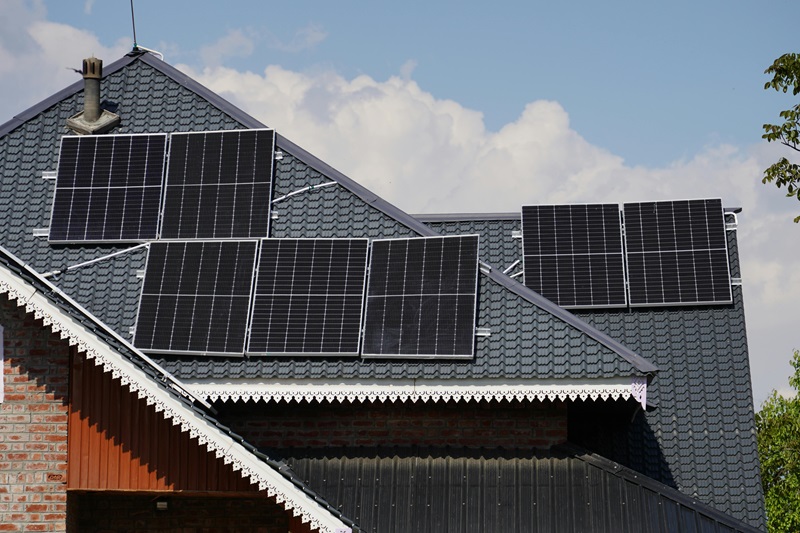
Building a solar home isn’t purely an eco-conscious move. For most people, it’s a financial decision rooted in long-term thinking. Most guides start with panel types and installer quotes, skipping the architectural decisions that matter most.
This guide starts where the real decisions happen: the blueprint stage. Read on to find out how to build a solar-powered home the right way, from the ground up.
Solar-First Site Planning
The land tells you a lot before construction starts. Before any architectural drawings get finalized, the roof’s orientation should already reflect solar priorities. North-facing slopes at a 30–45° angle capture the most sunlight in Australia. That’s a design decision, not an afterthought.
Renewable energy starts with understanding your site’s solar potential. Shade mapping is just as critical. Tools like SunEye or Solargis track shadow patterns across all four seasons. A tree that clears your roof in summer can block several peak sun hours in winter. Running this analysis during site assessment, not post-build, changes what gets planted and where.
Battery storage deserves attention at the site planning stage. Home solar panel installation paired with solar battery storage keeps stored energy usable even during grid outages. Unlike older models, the Powerwall 3 has a built-in DC inverter that connects directly to your panels.
Designing for Solar Load
Energy efficiency shapes how large your system needs to be. Most people size a solar system after the home design is locked in. A smarter approach flips that sequence. Tools like BEopt or REM/Design simulate actual consumption based on insulation, HVAC type, and appliance loads. Running that simulation before blueprints are finalised gives you a system size grounded in real data.
A home solar setup that still burns gas for heating or cooking creates a split-fuel situation that’s harder to optimise. Designing around all-electric appliances, heat pumps, induction cooktops, and heat pump water heaters gives the solar system a unified load to work with.
Energy independence is more achievable when your load calculation is accurate from the start. Factor EV charging and battery storage into the initial load calculation. A 200A service panel might feel generous today, but it can become a bottleneck quickly if those additions aren’t accounted for upfront.
Structural and Electrical Pre-wiring
Installing an empty conduit from the roof to the electrical panel during the framing phase costs almost nothing relative to the alternative. Retrofitting these runs after lock-up typically costs between AUD$1,500 and AUD$3,000. Few pre-build decisions offer a better return on that kind of spend.
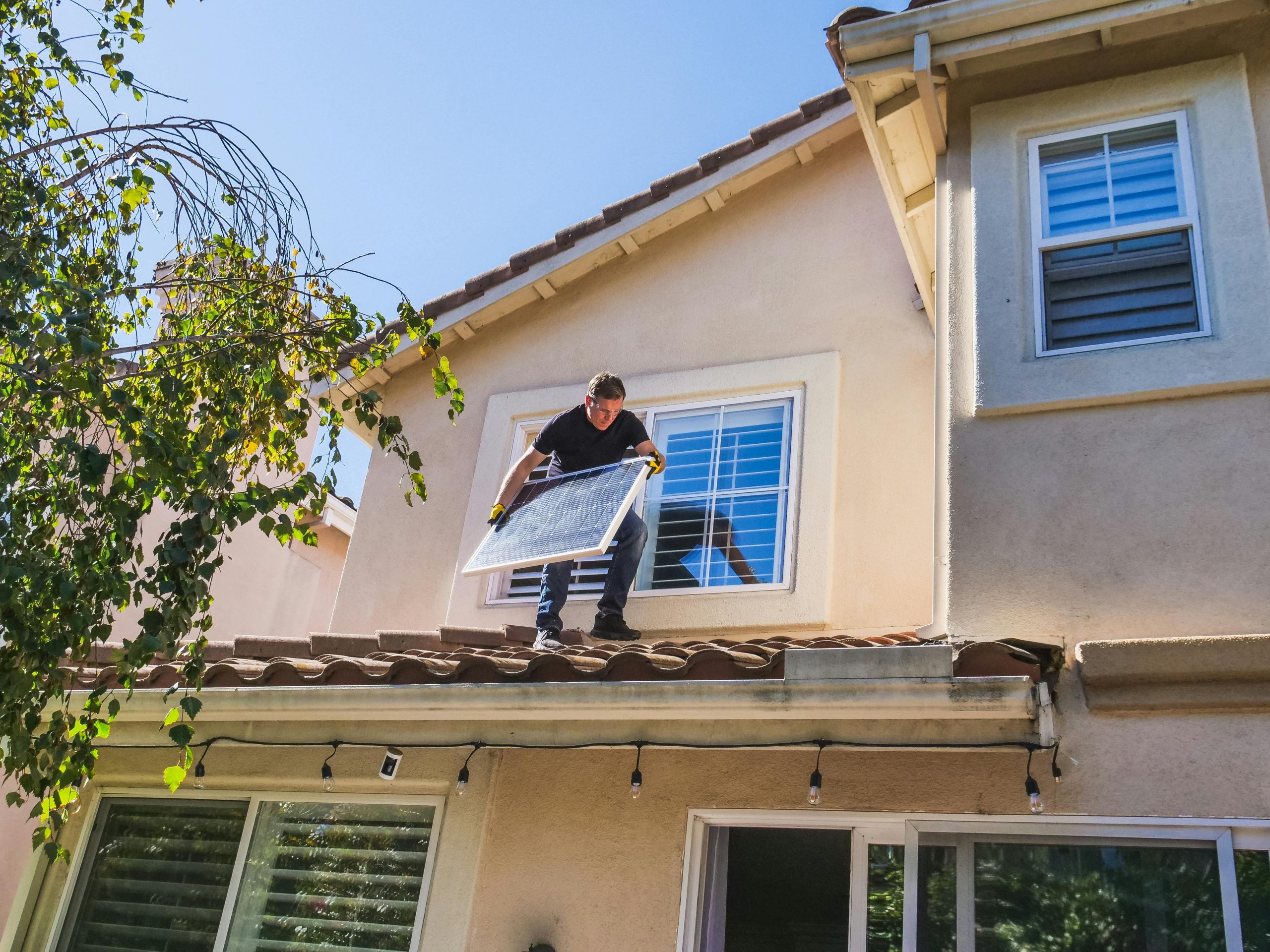
Solar panels add roughly two to four pounds per square foot. Shrinking your carbon footprint costs less when structural reinforcement is planned at the design stage. Rafter sizing should account for this from the structural drawings, not as a correction during installation.
Rough in a 60A circuit for EV charging and a dedicated location for a battery sub-panel during electrical rough-in. Lower electricity bills over the long run depend partly on getting this infrastructure right the first time. Doing it before the walls close is exponentially cheaper than revisiting it later.
Choosing the Right System Architecture
New builds with complex rooflines, multiple pitches, or partial shading don’t perform well on traditional string inverter systems. When one panel underperforms, the whole string follows. A quality solar inverter shapes how well panels convert the sun’s energy, so the architecture choice matters early. Microinverters (like Enphase) or DC optimisers (like SolarEdge) solve that by optimising each panel independently.
Battery integration also deserves upfront thinking. Designing a solar-plus-storage system from the start allows for a more efficient electrical setup, especially when building a shed. DC-coupled battery systems share the same inverter path, making them more efficient than AC-coupled setups added later. That efficiency gap matters more over a system’s lifetime than it might seem during the planning stage.
Understanding how your utility handles solar exports shapes storage capacity decisions, too. Net metering policies and time-of-use rates vary widely, and battery sizing should reflect what your utility actually rewards.
Permits, Timelines, and Contractor Coordination
Solar permits submitted after the main building permit approval can push system commissioning months past move-in. With a solar contractor involved early, the installation process stays on schedule and permits moving in parallel.
Comparing solar system prices early helps you select the right components before the build locks in any structural or electrical constraints. Utility approval to connect a solar home to the grid takes anywhere from four to sixteen weeks, depending on the region. Missing that window means moving into a finished, functional house that legally can’t export power yet.
Roofers, electricians, and solar installers need a coordinated schedule. Choosing a reputable solar provider experienced in new construction reduces the risk of costly sequencing mistakes. Panels installed before final roofing inspections, or conduit runs missed during framing, rank among the most common and expensive mistakes in new solar construction.
A general contractor who’s worked on solar builds before makes a measurable difference here. The environmental impact of a well-built solar home compounds positively for decades, but only if the build itself is done right. Solar power kits bundle panels, inverters, and monitoring equipment, but proper architectural integration still determines performance.
Conclusion
The homes that get solar right aren’t necessarily the ones with the most panels. They’re the ones where solar-shaped decisions are made from the very first drawing. Treat your solar contractor as a design collaborator, and every decision downstream becomes sharper.
Energy costs are rising, grid reliability isn’t guaranteed everywhere, and home electrification is accelerating. A solar home is simply better positioned for all of it.