The Most Overlooked Steel Shed Maintenance Tasks That Can Save You Thousands
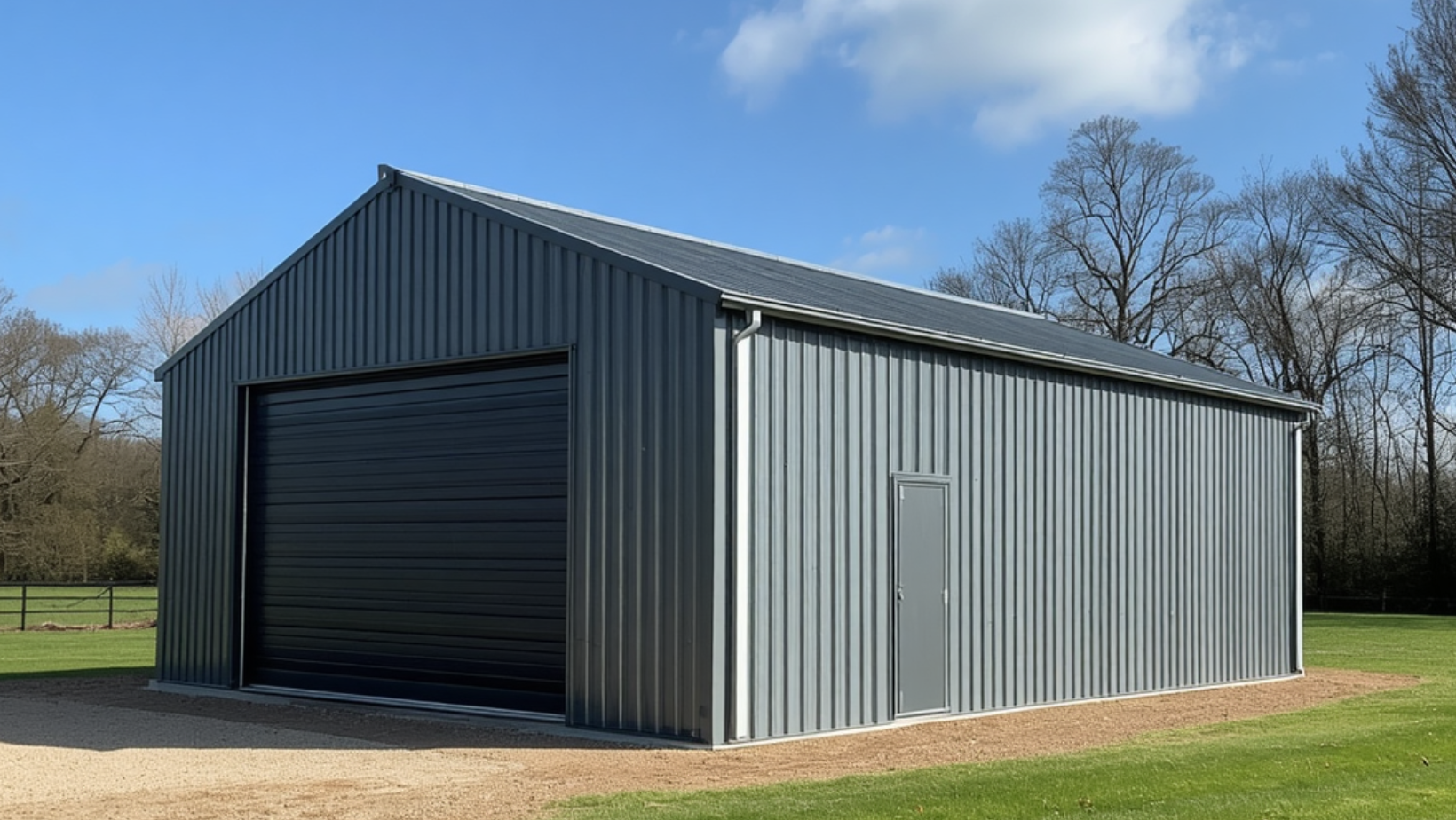
Owning a steel shed comes with plenty of advantages. Steel sheds are strong, durable and designed to withstand Australia’s harsh conditions. However, even the best-built sheds require regular maintenance to perform at their best.
Most shed owners remember to check for obvious damage like rust or loose screws. What often gets overlooked are the smaller components that quietly protect the entire structure. Left unchecked, these areas can lead to water leaks, vermin problems, condensation, corrosion and expensive repairs.
If you want your shed to last for decades, these are the maintenance areas you should never ignore.
1. Ridge Caps – Your Shed’s First Line of Defence
The ridge cap sits along the highest point of your shed roof, protecting the join where two roof sheets meet. Because it’s out of sight, it’s often forgotten.
Over time, strong winds, expansion and contraction from temperature changes, and general weather exposure can create small gaps around the ridge.
These gaps may allow:
- Rain to enter the roof cavity
- Dust and debris to accumulate
- Birds and vermin to gain access
- Embers to enter during bushfire conditions (depending on your location)
During routine inspections, check that your ridge cap remains securely fixed and that any ridge seals are still in good condition.
If your shed doesn’t currently have ridge sealing installed, fitting a quality profile-matched ridge seal can significantly improve protection against vermin, weather and debris while still allowing appropriate ventilation where required.
2. Shed Seals – Small Components That Make a Big Difference
Many shed owners only start thinking about sealing once they discover mice, snakes, birds, dust, or water finding their way inside. By then, the damage or inconvenience has often already begun.
Over time, shed seals naturally deteriorate due to:
- UV exposure
- Harsh Australian weather conditions
- Normal building movement
- General ageing and wear
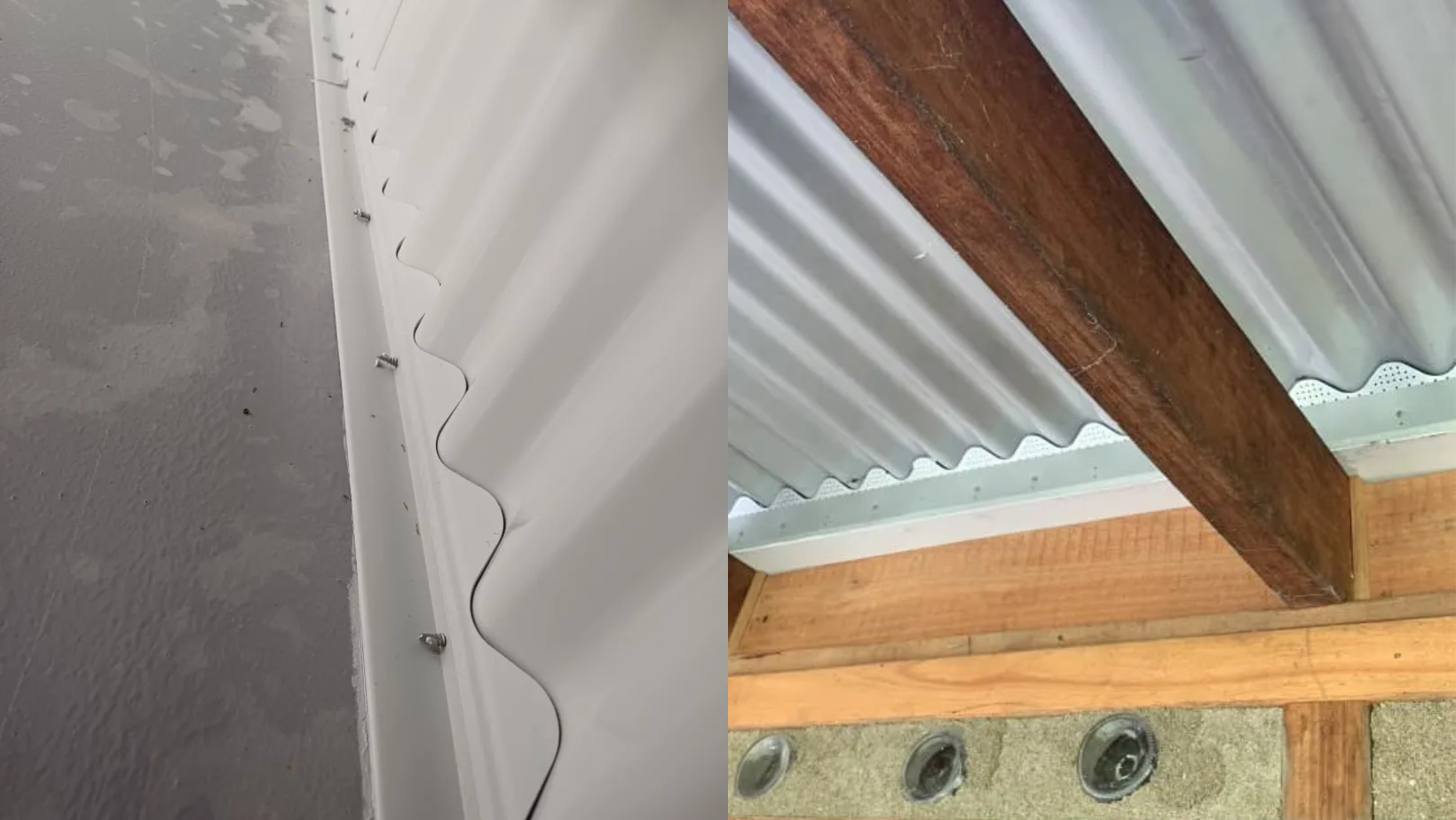
As part of your regular maintenance routine, inspect all the major sealing points around your shed, including:
- Roof ridge caps
- Roof edges and gutters
- Wall bases
- Internal wall corners
- Roller doors
- Personnel doors
- Windows
Look for cracked, brittle, damaged, or missing seals, as even small gaps can quickly become entry points for vermin, dust, leaves, wind-driven rain, and bushfire embers.
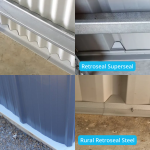
If your seals need replacing, consider using purpose-designed vermin sealing products that match your shed profile. Depending on the area being sealed, products such as Retroseal Domestic, Retroseal Superseal, Combination Seal, Vermaseal, Ridgeseal, Roofseal, Shadowline Ridgeseal, Corro Corners, Cleverseal, and Cobra Seal can help protect different areas of your shed against unwanted entry.
Replacing worn seals is a relatively inexpensive maintenance task that can significantly improve the cleanliness, weather resistance, and longevity of your steel shed while helping keep vermin where they belong—outside.
3. Gutters and Downpipes – More Important Than You Think
Blocked gutters don’t just overflow.
When leaves, dirt and debris build up, water can back up underneath roof sheets or overflow against walls, increasing the risk of corrosion and moisture damage.
At least twice a year—and more often if your shed is surrounded by trees—inspect and clean:
- Gutters
- Downpipes
- Leaf guards
- Rainwater outlets
Also check that water is draining well away from the shed rather than pooling around the slab or footings.
Good water management plays a major role in maintaining steel sheds for the long term.
4. Flashings – Check Every Connection
Flashings are designed to keep water out where different building components meet.
These include areas around:
- Roof joins
- Wall intersections
- Windows
- Doors
- Skylights
- Lean-to connections
Because flashings generally sit flush against the shed, it’s easy to assume they’re still performing perfectly.
However, screws can loosen, sealants can deteriorate, and flashing edges may lift over time.
During your inspection, look for:
- Gaps
- Loose fasteners
- Damaged sealant
- Signs of water staining
Addressing these issues early helps prevent leaks before they become major repairs.
5. Roller Doors – Don’t Just Check That They Open
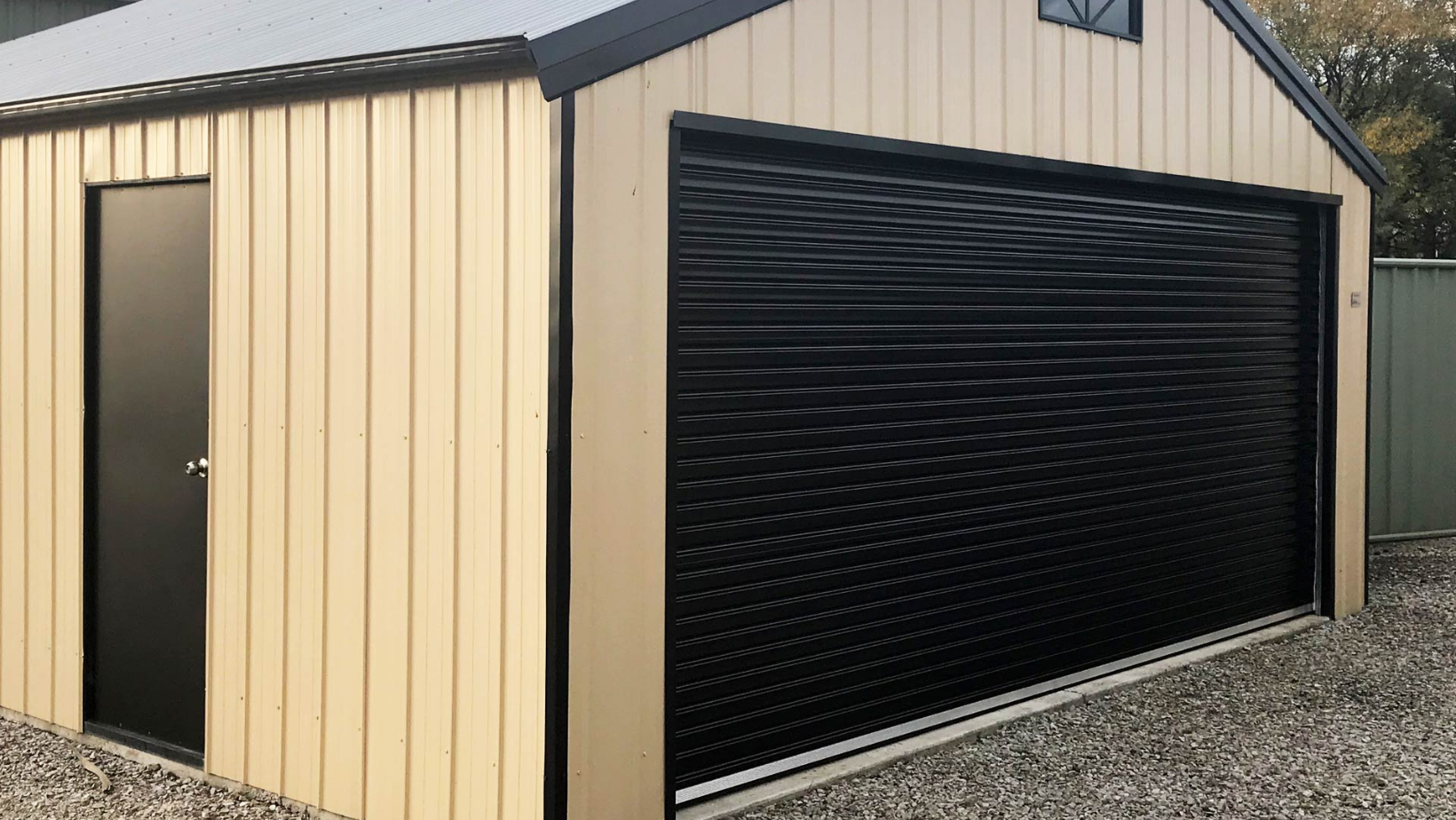
Roller doors are one of the hardest-working parts of many sheds.
Most owners only notice a problem when the door becomes difficult to operate.
Instead, inspect your roller door regularly for:
- Worn weather seals
- Damaged bottom seals
- Loose guide rails
- Dirt build-up in tracks
- Signs of corrosion
Clean the tracks regularly and remove leaves, mud and debris that may interfere with smooth operation.
A well-maintained roller door not only operates better but also helps reduce dust, water and vermin entering the shed.
6. Maintain Your Ventilation and Protective Screens
A well-designed ventilation system helps improve airflow and reduce heat and moisture inside your shed. To keep it performing effectively, it’s important to regularly inspect and maintain your ventilation products and protective screens.
Check the following regularly:
- Roof vents
- Wall vents
- Windows and their insect screens
- Personnel doors and screen doors (where fitted)
Look for:
- Bird or insect nests
- Dust and debris build-up
- Blocked airflow
- Damaged or loose mesh
- Signs of wear or corrosion
Keeping these areas clean and in good condition helps maintain airflow while preventing unwanted pests from entering.
It’s also worth inspecting the eaves of your shed. While eaves are not typically used for ventilation in steel sheds, they are an important area to protect against vermin, bushfire embers, weather, and dirt or debris. Products such as Roofseal, Houseseal, and their perforated BAL-compliant versions are designed to help close these gaps while still meeting the requirements of bushfire-prone areas where applicable.
Regularly maintaining your vents, windows, doors, and protective seals will help keep your shed comfortable, cleaner, and better protected all year round.
7. Condensation – The Problem You Often Can’t See
Condensation doesn’t always leave obvious signs straight away.
Moisture can build up inside roof cavities and wall spaces long before visible problems appear.
Watch for signs such as:
- Water droplets on the underside of roof sheets
- Damp insulation
- Surface rust
- Mould or mildew
- Musty smells
- Wet cardboard boxes or stored items
If condensation is becoming a regular issue, improving ventilation and reviewing your insulation can make a significant difference.
Managing condensation is an important part of effective steel shed maintenance, particularly in areas with cooler nights and changing temperatures.
Create a Simple Maintenance Schedule
Rather than waiting until something goes wrong, establish a simple inspection routine.
Every 6–12 months, check:
- Ridge caps and ridge seals
- Wall and roof seals
- Gutters and downpipes
- Flashings
- Roller doors and weather seals
- Roof and wall ventilation
- Signs of condensation or moisture
- Windows and doors
Regular inspections usually take less than an hour but can help identify small issues before they become expensive repairs.
Protect Your Investment for the Long Term
Steel sheds are built to last, but their lifespan depends on ongoing care. While major structural components receive most of the attention, it’s often the smaller details—such as ridge caps, seals, gutters, flashings, roller doors and ventilation—that provide the greatest protection against Australia’s harsh conditions.
By including these often-overlooked areas in your regular maintenance routine, you can reduce the risk of leaks, corrosion, vermin and premature wear, helping your shed remain strong, functional and reliable for many years to come.
If you’re replacing worn seals or upgrading your shed’s protection, explore ShedBlog’s range of quality Australian-made shed sealing and ventilation products designed specifically for steel sheds.