Boosting Shed Durability with Smart Steel Choices
When investing in a new shed, its long-term durability is one of the most important considerations. A well-built shed is a valuable asset, providing secure storage and workspace for years to come.
The foundation of that longevity lies in the materials you choose, with steel being a popular and robust option. However, not all steel is created equal. Making smart choices about the grade, coating and design of your steel shed is the key to ensuring it stands the test of time against the harsh Australian climate.
Why Material Matters for Sheds
The choice of building material directly impacts a shed’s strength, lifespan and maintenance needs. While timber sheds have a traditional appeal, they can be susceptible to termites, rot and fire. Plastic sheds are lightweight but may become brittle and fade under intense UV exposure. Steel, on the other hand, offers an excellent combination of strength, durability and low maintenance.
A steel structure provides superior resistance to pests and fire. Its inherent strength also allows for wider clear-span designs without the need for cumbersome internal supports. The critical factor is understanding how resilience and material selection are linked. A shed built with appropriate, high-quality steel is better equipped to handle everyday wear and tear as well as more significant environmental stresses, ensuring it remains a secure and functional space for decades.
Understanding Steel Grades and Coatings
The term “steel shed” covers a wide range of products with varying quality. The durability of your shed is determined by two main factors: the grade of the steel and the protective coating applied to it. Steel grade refers to its thickness and tensile strength; generally, a higher gauge or thicker steel provides greater structural integrity.
Even more critical in Australia is the coating. Unprotected steel will rust, so a protective layer is essential. Look for sheds made with Australian steel like ZINCALUME® or COLORBOND®. These materials feature advanced coatings that are specifically designed to resist corrosion in local conditions, from coastal salt spray to inland humidity. For example, kits from suppliers like MSB Sheds in Perth, WA are engineered with these considerations in mind, using materials suited to the region’s specific environmental challenges.
Designing for Extreme Weather
Australia’s weather can be unforgiving, with everything from cyclonic winds to scorching sun and torrential rain. A durable shed must be designed to withstand these extremes. This goes beyond the material itself and involves the overall engineering of the structure.
Ensure any shed you consider is rated for the wind conditions in your specific area. Sheds in cyclone-prone regions of Northern Australia require a much higher wind rating (cyclonic rating) than those in more sheltered metropolitan areas. Key design features that contribute to weather resistance include the thickness of the frame, the strength of the connections and the inclusion of adequate bracing. Always check that the shed design is certified by a qualified engineer and meets local council requirements.
Key Factors for Long-Lasting Structures
While high-quality steel is the starting point, several other factors contribute to the overall lifespan of a shed. The best materials in the world won’t save a poorly constructed building. A solid and level foundation, typically a concrete slab, is non-negotiable. It provides a stable base that prevents the frame from twisting and doors from jamming over time.
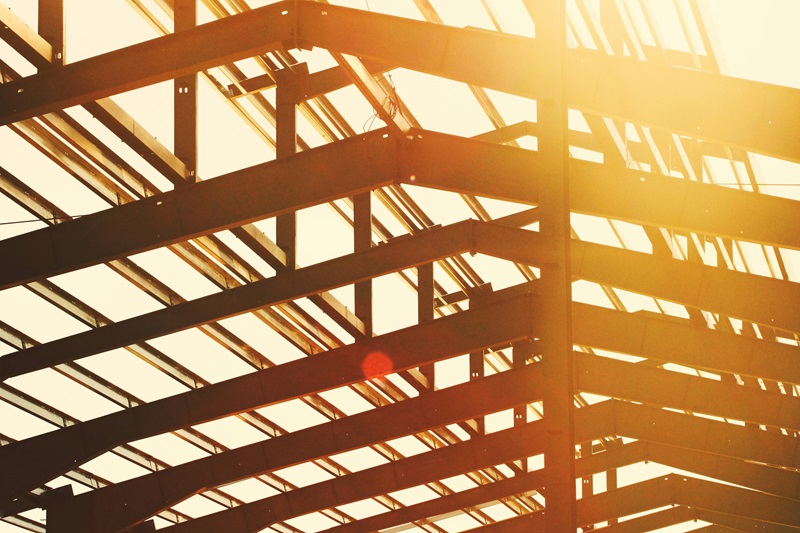
During assembly, it’s crucial to follow the manufacturer’s instructions precisely. Using the correct type and number of fasteners is vital for maintaining structural integrity. The principles of ensuring long-term durability in steel structures apply just as much to a backyard shed as they do to a large commercial building. Every component, from the footing to the final screw, plays a part in the shed’s ability to endure.
Maintenance Tips for Steel Sheds
One of the biggest advantages of a steel shed is its low maintenance requirements. However, a few simple, regular tasks will significantly extend its life and keep it looking great.
- Wash it down: At least once a year, hose down the walls and roof to remove dirt, dust and any salt deposits, which is especially important in coastal areas. A soft brush and mild detergent can be used for stubborn grime.
- Clear the gutters: If your shed has gutters, keep them free of leaves and debris to prevent water from overflowing and pooling around the base.
- Check for damage: Periodically inspect the shed for any deep scratches or dents that may have penetrated the protective coating. Use a recommended touch-up paint to seal these spots and prevent rust from taking hold.
- Keep the base clear: Avoid piling soil, mulch or garden debris against the shed walls, as this can trap moisture and accelerate corrosion.
Ultimately, the durability of your shed begins long before the first panel is put in place. By prioritising high-quality, Australian-made steel with appropriate coatings and ensuring a weather-appropriate design, you are making a sound investment in a structure built to last.