Can You Add Ventilation to an Existing Steel Shed? The Complete Retrofit Guide
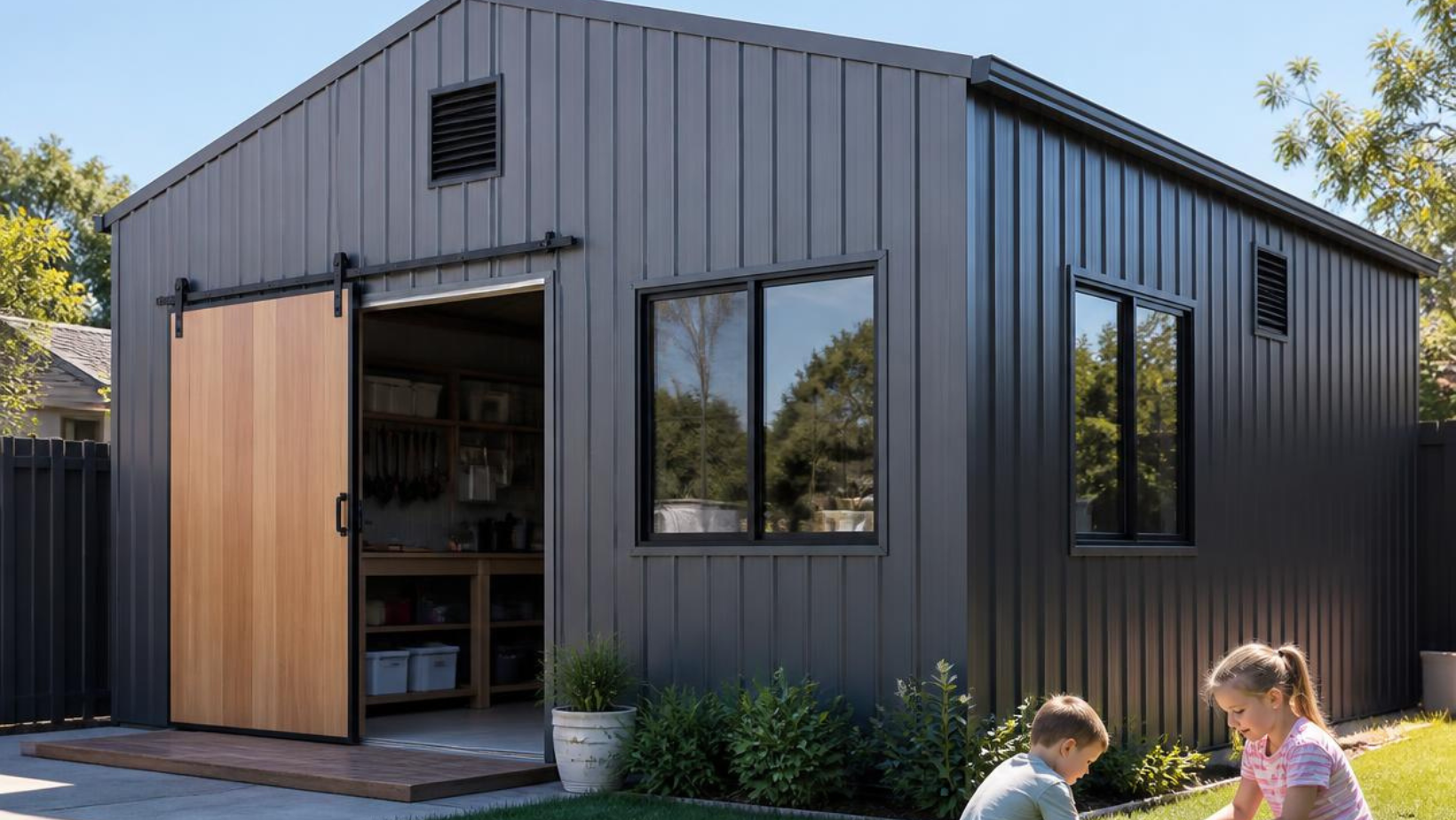
If you’ve owned a steel shed for a few years, you’ve probably noticed how hot, stuffy or damp it can become. During summer, heat builds up quickly, while cooler months often bring condensation that can damage tools, equipment and stored belongings.
The good news is that you don’t need to replace or rebuild your shed to fix these problems.
With the right retrofit ventilation solutions, you can significantly improve airflow, reduce heat build-up and help minimise condensation in your existing steel shed. Whether you use your shed as a workshop, machinery storage, garage or hobby space, adding ventilation is one of the most effective upgrades you can make.
In this guide, we’ll explain how to retrofit shed ventilation, the available ventilation options, and how to choose the right combination for your shed.
Why Older Steel Sheds Often Need Better Ventilation
Many older sheds were built with little or no consideration for ventilation. At the time, the focus was often on weather protection and storage rather than airflow.
Without adequate ventilation, warm air becomes trapped inside the shed. As temperatures fluctuate, moisture forms on the underside of the roof, leading to condensation.
This can result in:
- Excessive heat during summer
- Damp tools and equipment
- Rust on machinery and metal items
- Mould and mildew
- Poor air quality
- Uncomfortable working conditions
Fortunately, these issues can usually be improved by installing retrofit ventilation products.
Can You Retrofit Ventilation Into an Existing Steel Shed?
Absolutely.
Most steel sheds can be upgraded without major structural work. Modern ventilation products are specifically designed to be installed into existing sheds, allowing fresh air to enter while letting hot, stale air escape.
Depending on your shed’s design, you may choose one ventilation product or combine several for even better performance.
The best results usually come from creating continuous airflow rather than relying on a single vent.
The Best Ways to Improve Shed Airflow
1. Install Wall-Mounted Louvre Vents
Wall-mounted louvre vents are one of the simplest ways to improve airflow.
Warm air naturally rises towards the wall. Installing wall vents allows this trapped heat to escape while encouraging cooler air to circulate through the building.
ShedBlog offers profile-specific wall vents to suit Australia’s most common cladding profiles.
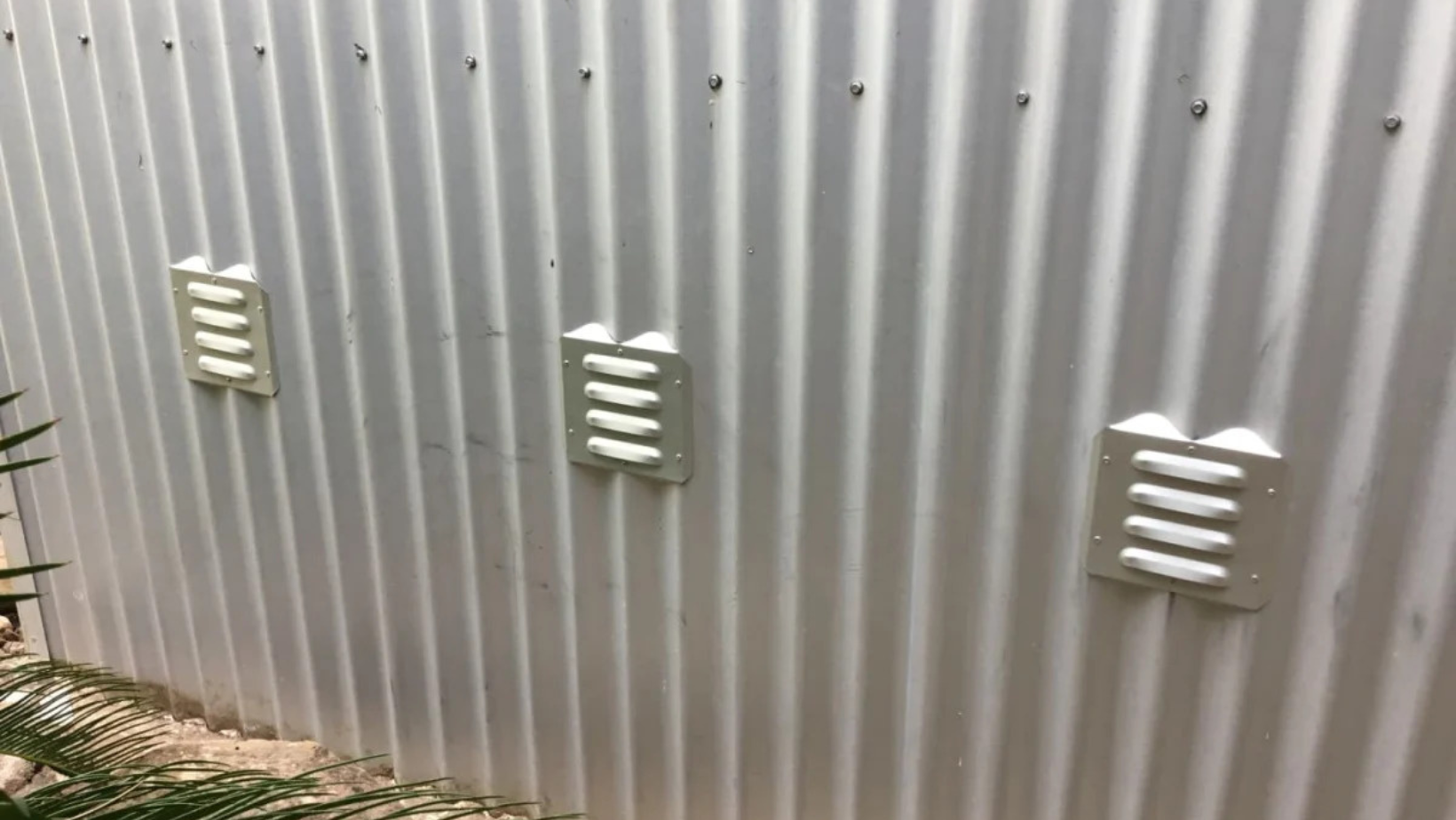
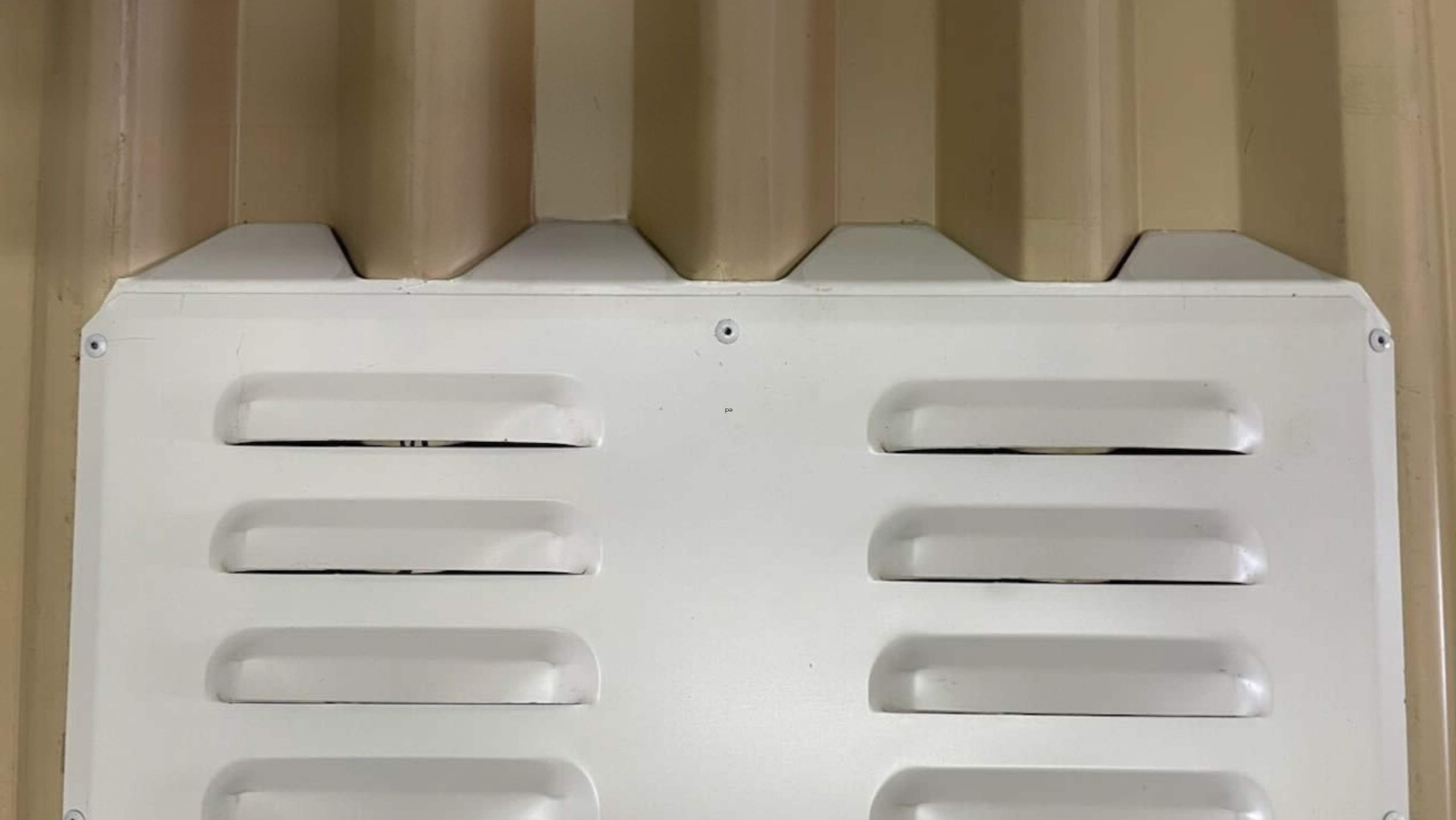
Corrugated & Custom Orb Wall
If your shed has corrugated cladding, Corro Mount Vents are designed specifically for this profile.
They provide effective passive ventilation while matching the wall profile for a neat installation.
Ideal for:
- Workshops
- Farm sheds
- Garages
- Storage sheds
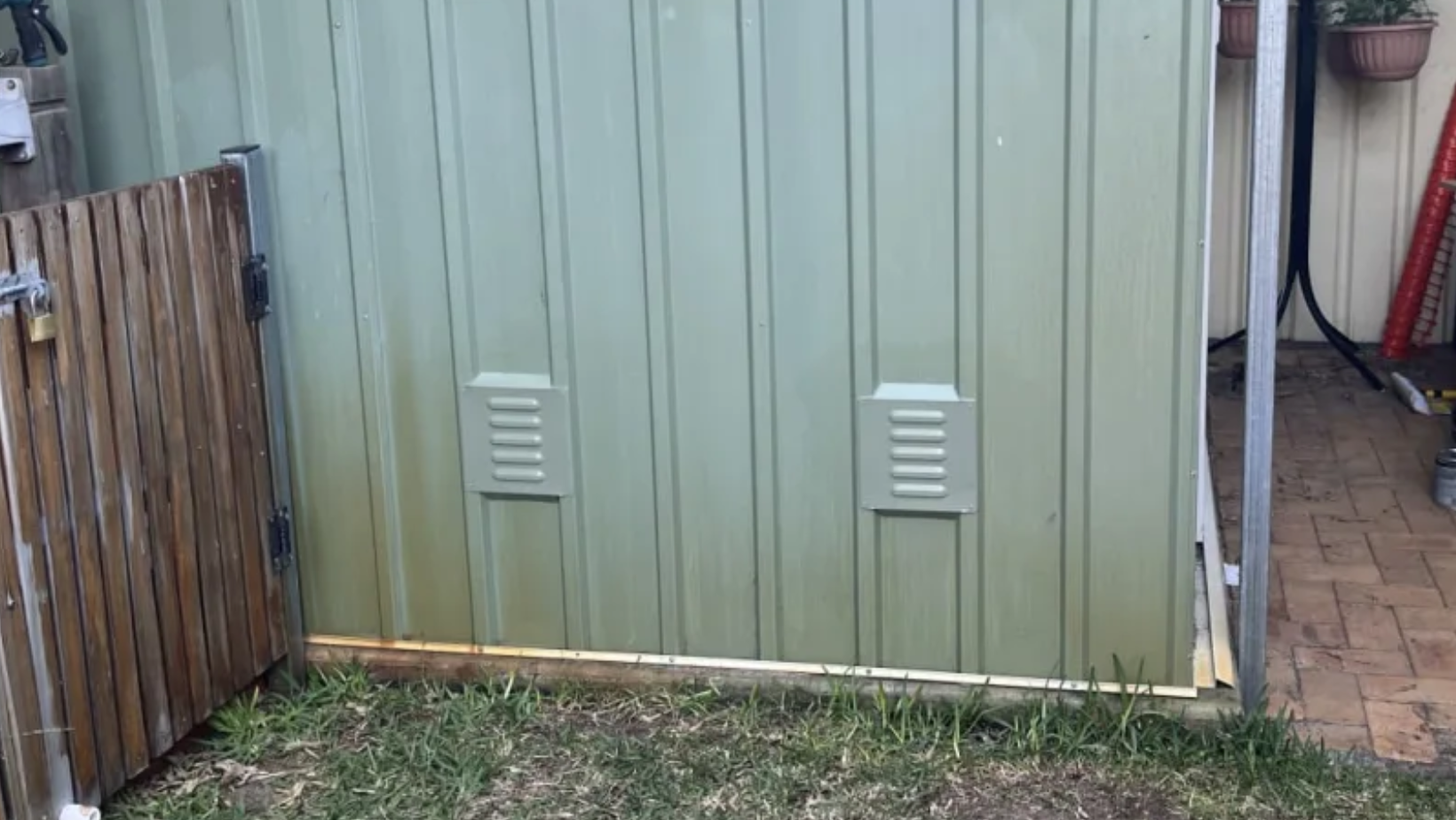
For high-profile steel cladding, High Profile Mount Vents provide the same airflow benefits while fitting the larger wall profile correctly.
Using a vent designed for your wall profile helps achieve a better fit and improved weather resistance.
If your shed has long span cladding, Long Span Profile Louvre Vents are designed specifically for these larger profiles.
They allow warm air to escape while maintaining a professional appearance that complements the wall
2. Add Colorbond Steel Wall Vents
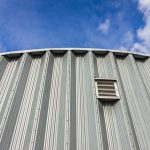
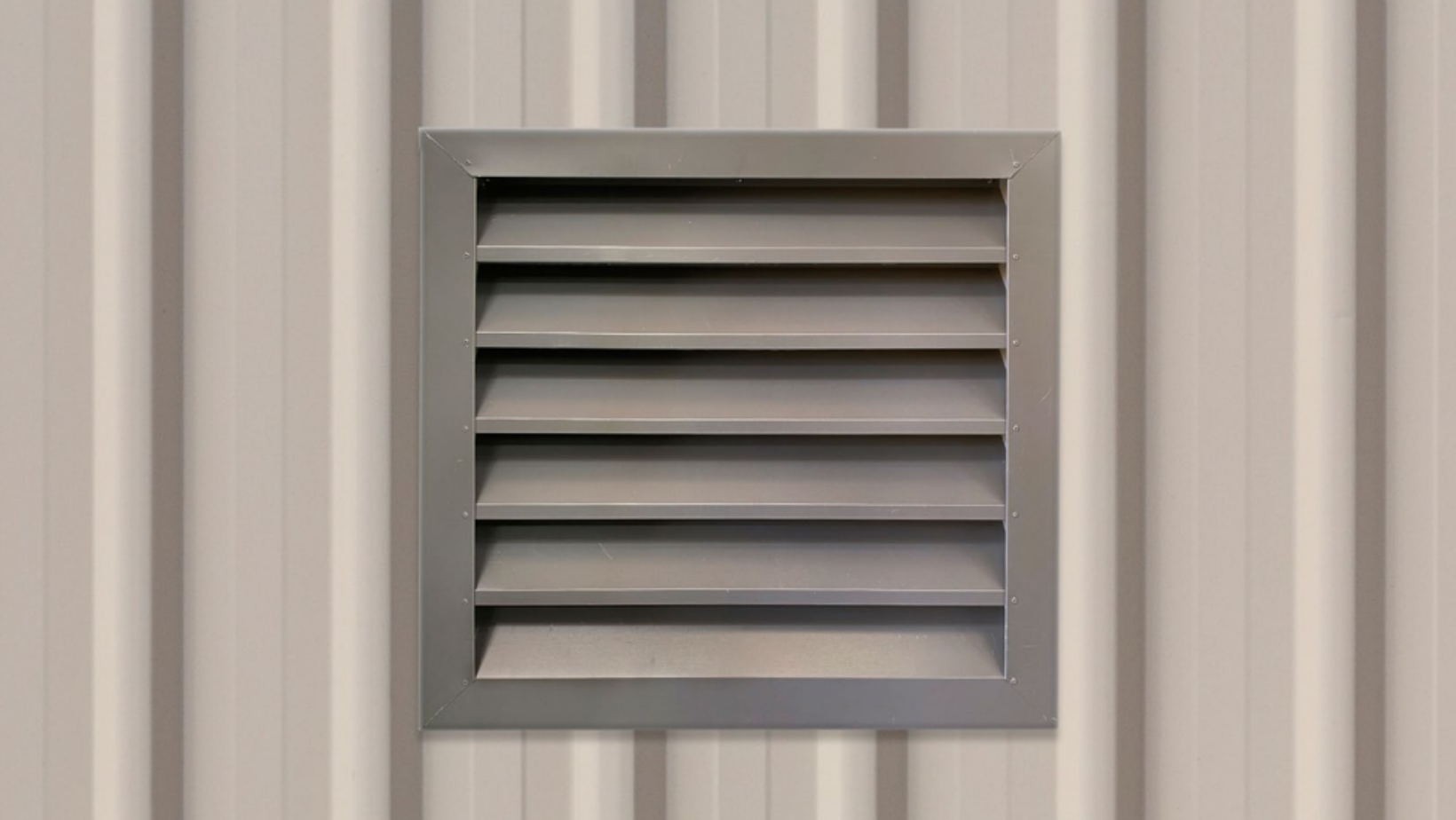
Colorbond Steel Wall Vents are an effective way to improve passive airflow in an existing steel shed. Installed into the wall cladding, they allow fresh air to circulate through the shed, helping reduce stale air and improve overall ventilation.
For the best results, combine wall vents with roof vents, ridge vents or shed windows. This creates natural airflow, with fresh air entering through the wall vents while warm air escapes through higher ventilation points.
Benefits of adding wall vents include:
- Improved airflow throughout the shed
- Reduced stale or stuffy air
- Better temperature regulation
- Reduced moisture build-up
- A more comfortable working environment
Manufactured from durable 0.55mm thick steel, louvre blades, our Colorbond Steel Wall Vents are easy to install, available with bird or insect mesh, and come in a range of standard Colorbond® colours to suit your shed.
3. Improve Natural Airflow with Shed Windows
Ventilation isn’t limited to vents alone. Opening windows can significantly improve airflow, especially when paired with roof or wall vents.
When positioned correctly, shed windows allow fresh air to enter while warm, stale air escapes through roof or ridge vents. This creates natural cross ventilation that helps keep the shed cooler and more comfortable.
Opening windows is particularly useful when you’re:
- Working in the shed for extended periods
- Using power tools or equipment
- Painting or handling products that produce fumes
- Trying to cool the shed quickly on warm days
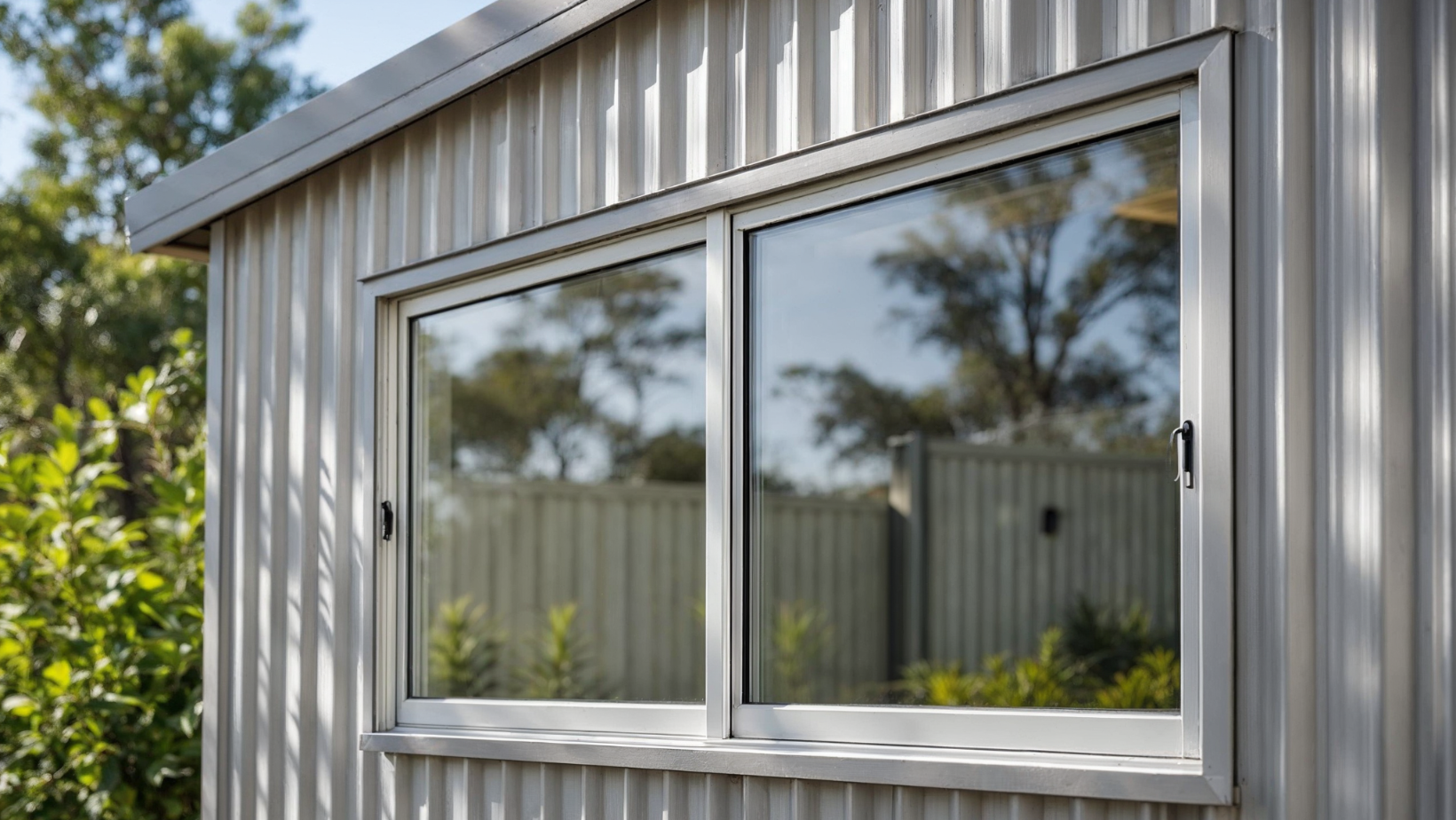
At ShedBlog, we offer a range of Australian-made shed windows to suit different applications, including:
- Sliding windows
- Louvre windows
- Barn windows
For the best results, combine windows with roof vents, wall vents or ridge ventilation. This creates a continuous flow of fresh air through the shed rather than relying on a single opening.
4. Install Ridge Ventilation
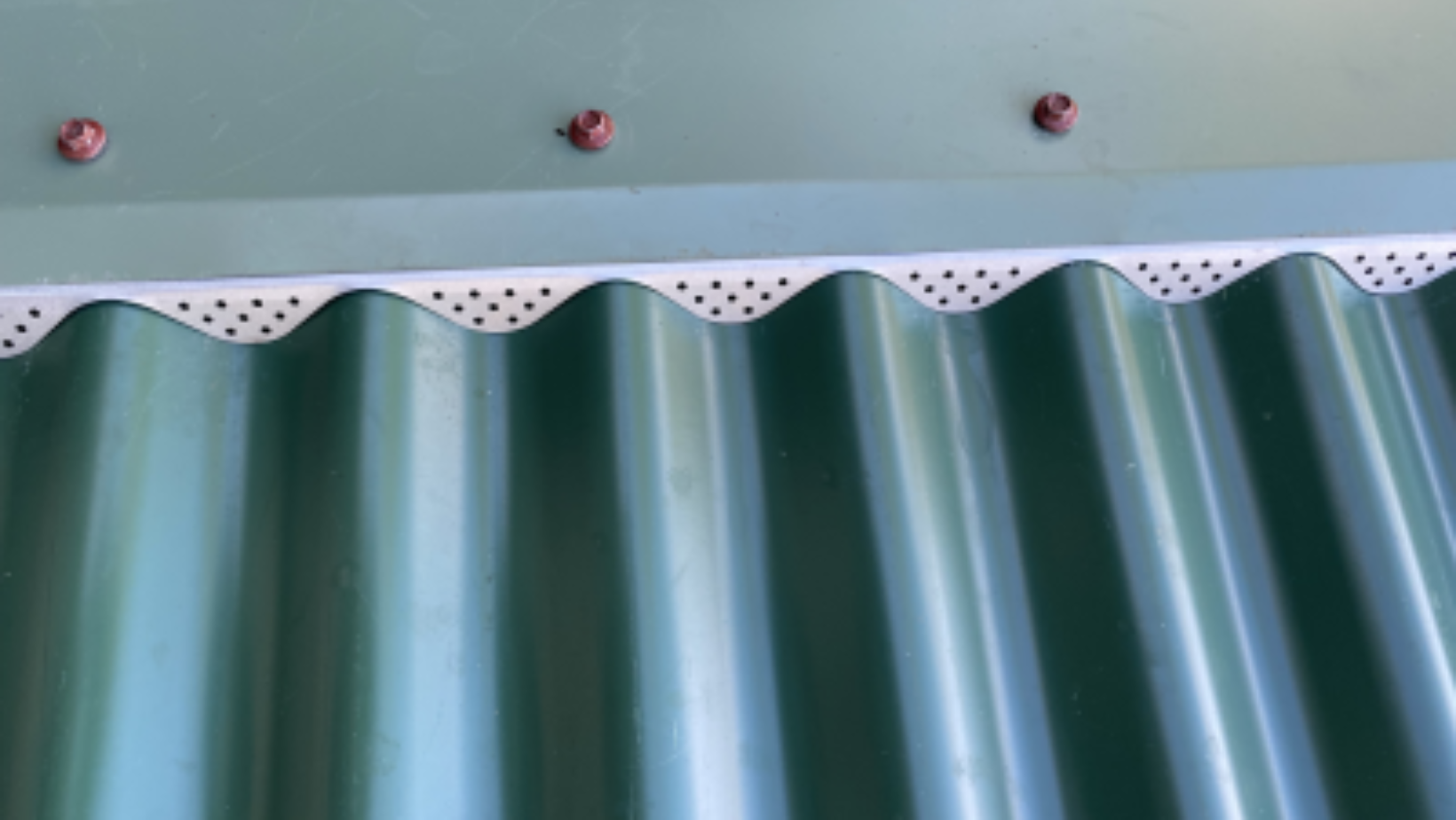
If your shed has a conventional ridge cap, adding a Ridge Vent can dramatically improve airflow.
Since hot air naturally collects at the highest point of the shed, ridge ventilation provides a continuous escape path across the roof peak.
Benefits include:
- Continuous passive airflow
- Reduced roof cavity temperatures
- Improved ventilation throughout the entire shed
- Better moisture management
For larger sheds, ridge ventilation is often one of the most effective upgrades available.
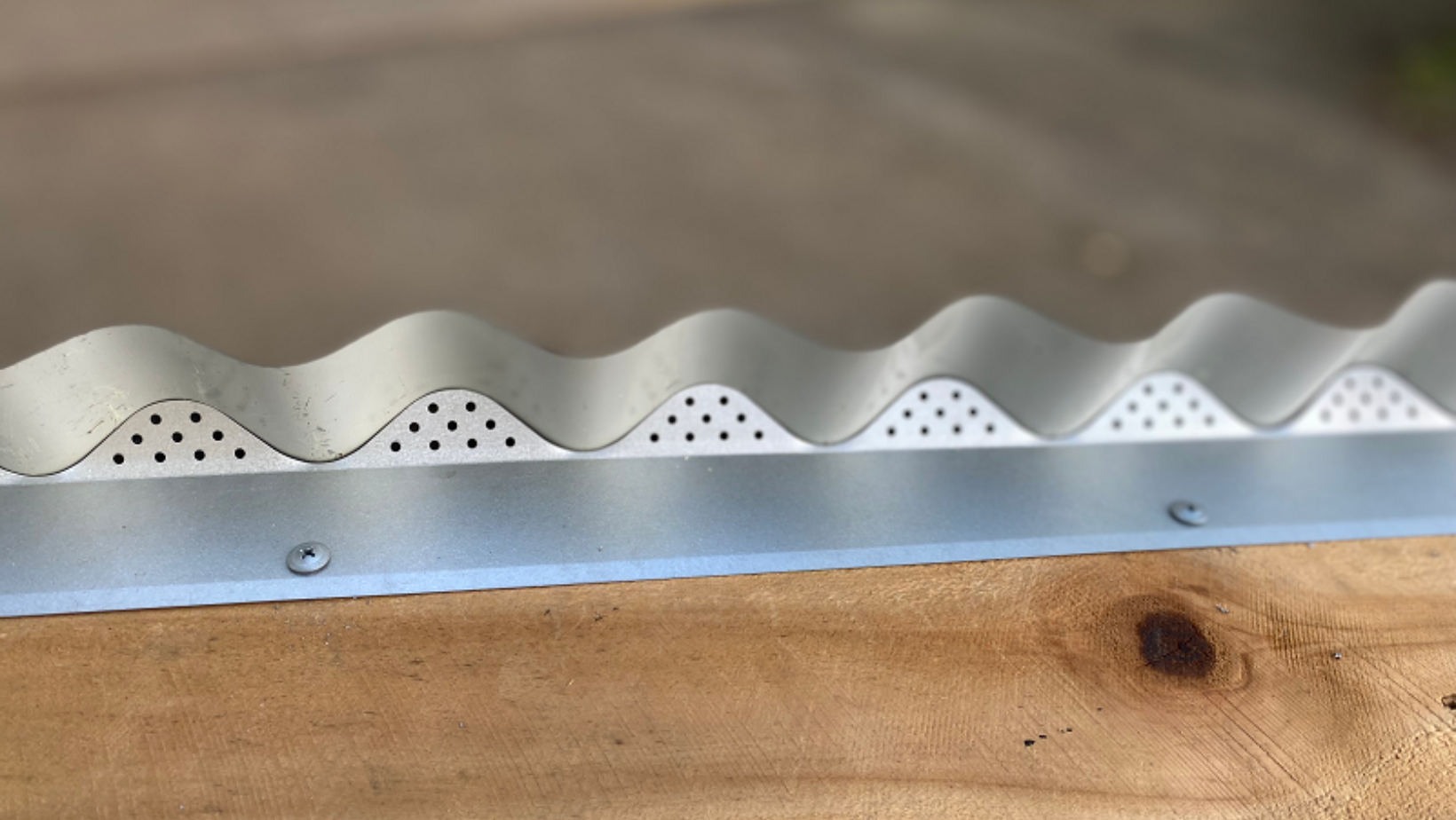
5. Improve Air Intake with Eave Ventilation
Effective ventilation isn’t just about letting hot air out.
Fresh air also needs a way to enter.
This is where Eave Vent (Eaveseal) products come in.
Installed beneath the roof at the eaves, they allow fresh outside air to enter the shed while helping keep birds, insects and larger debris out.
Combined with roof or ridge ventilation, eave vents create a natural airflow cycle:
- Fresh air enters through the eaves.
- Warm air rises naturally.
- Hot air exits through roof or ridge vents.
This passive airflow requires no electricity and works year-round.
Why Combining Ventilation Products Works Best
Many shed owners install a single vent and expect dramatic improvements.
While any ventilation is better than none, combining multiple ventilation methods generally produces the best results.
For example:
- Roof vents release trapped heat.
- Wall vents introduce fresh air.
- Windows increase natural cross-ventilation and allow fresh air to circulate when open.
- Ridge vents provide a continuous escape path for hot air.
- Eave vents supply cooler replacement air.
Together, these products create balanced airflow throughout the entire shed, helping to regulate temperature, improve air quality and reduce moisture build-up.
Signs Your Shed Could Benefit from Retrofit Ventilation
Your shed may need improved ventilation if you notice:
- Water droplets forming beneath the roof
- Rust developing on tools or machinery
- Excessive summer temperatures
- Stale or musty air
- Mould growth
- Paint or stored materials deteriorating
- Difficulty working comfortably inside during warmer months
If any of these sound familiar, upgrading your shed with vents, windows or a combination of both can make a noticeable difference to comfort and airflow.
Is Retrofitting Ventilation Worth It?
For most shed owners, yes.
Retrofitting ventilation is generally far more affordable than rebuilding or replacing your shed, and the benefits are noticeable almost immediately.
Improved ventilation can help:
- Reduce heat build-up
- Improve airflow
- Minimise condensation
- Protect stored equipment
- Create a more comfortable workspace
- Improve indoor air quality
- Extend the lifespan of tools, machinery and stored belongings
Whether you own a small backyard workshop or a large rural machinery shed, adding vents and windows is a worthwhile investment in both comfort and protection.
Upgrade Your Existing Shed Without Starting Over
You don’t need a brand-new shed to enjoy better ventilation.
With the right combination of roof vents, wall vents, shed windows, ridge ventilation and eave ventilation, most existing steel sheds can be transformed into cooler, drier and more comfortable spaces.
At ShedBlog, we offer a wide range of ventilation solutions designed specifically for Australian steel shed profiles, including roof-mounted louvre vents, wall vents, ridge vents, eave ventilation and Australian-made shed windows. This makes it easy to choose products that suit your existing roof and wall cladding while creating effective natural airflow throughout your shed.
Whether you’re tackling condensation, reducing summer heat or simply improving airflow, retrofitting ventilation is one of the smartest upgrades you can make.
If you’re unsure which ventilation products or shed windows are right for your existing shed, get in touch with our team. We’re happy to help you choose the best combination for your shed, roof profile and ventilation needs.