How to Improve Ventilation in Sheds and Warehouses Without Letting the Weather In
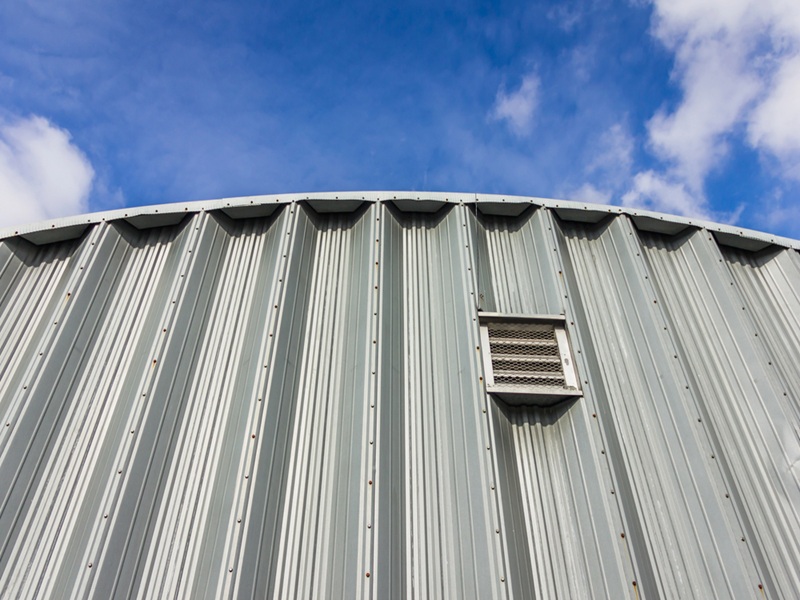
Anyone who owns a steel shed or runs a small warehouse knows the trade-off. Open the vents wide enough to actually move air, and sooner or later you find water on the concrete after a heavy rain event. Dust in the corners. Leaves in the workbench. Maybe a bird or two. Close everything down to keep the weather out, and by January the space is a hotbox that ruins stored goods and makes working inside miserable.
Most shed and warehouse owners have accepted this trade-off as a fact of life. It is not. With the right approach and the right hardware, you can move serious volumes of air through a building while keeping rain, dust, and pests firmly on the outside. Here is how to get there.
Why Standard Vents Fail During Bad Weather
Standard louvres, wall vents, and even a lot of ridge products are designed for airflow first and weather second. Under normal conditions they work fine. Push them through a driving southerly, a Queensland downpour, or a coastal storm, and their limitations show up quickly.
The core problem is angle. Rain doesn’t fall straight down when there’s wind behind it. A single row of louvre blades can only deflect so much before water gets carried through on the airflow itself. Add gaps around the frame, poorly sealed flashings, or a mesh that has degraded over time, and you have a building that behaves more like a colander than a sealed structure.
Add these common issues into the mix and it gets worse:
- Undersized vents forcing the ones you have to run at higher airflow, which pulls more water through.
- Poorly placed openings on the windward wall taking the full brunt of driving rain.
- No control mechanism, meaning vents stay wide open during storms because nobody is there to shut them.
- Cheap materials that corrode or warp, breaking the seal.
- Wrong vent type for the climate, coastal salt air chewing through unprotected steel or aluminium.
For a broader look at how airflow works in sheds and why placement matters, this complete guide to natural ventilation for sheds and workshops is worth a read before you start specifying anything.
The Real Cost of Getting Ventilation Wrong
Ventilation problems don’t usually cause dramatic failures. They cause slow, expensive damage that shows up over years. Common signs your ventilation is costing you money:
- Rust patches forming on tools, machinery, or metal shelving
- Timber warping or discolouring in storage
- Mould on interior linings, especially in shaded corners
- Cardboard packaging softening or collapsing
- Concrete floors staying damp long after rain has passed
- Stored fertiliser, feed, or product spoiling faster than it should
- Musty smells that never quite go away
Every one of these is a symptom of moisture staying inside the shed when it should have moved out. And every one has a knock-on cost, whether that’s replacing damaged stock, buying new tools, or repainting a rusty frame every few years.
Heat is the other half of the equation. A steel shed in full summer sun can hit internal temperatures well above what most stored goods, chemicals, and adhesives are rated for. Workers get fatigued, productivity drops, and safety becomes a legitimate concern for anyone spending time inside.
What Weatherproof Ventilation Actually Looks Like
Ventilation that handles the weather doesn’t just mean sticking a hood over an existing vent. It requires design choices that work together. Four principles guide the good ones:
- Two-stage weather defence. Water gets intercepted twice before it can reach the interior, once at the outer blade set and again at an inner set.
- High airflow capacity despite the extra blades. Well-engineered products keep the air moving even with the second stage in place.
- Rated test data behind the claims. Look for products tested against Australian standards for both rain penetration and airflow class, not just marketing statements.
- Optional smart controls. Rain sensors, dampers, and control panels can shut vents automatically when a storm rolls in and reopen them once conditions ease.
The combination matters. A vent that only passes a rain test but chokes the airflow isn’t useful. A vent that flows well but leaks in a light shower is worse than no upgrade at all.
Where Two-Stage Louvres Fit In
For sheds and warehouses in exposed locations, coastal areas, or anywhere prone to heavy wet-season rain, the two-stage louvre is the category worth understanding. As the name suggests, these products use two banks of blades to break wind-driven rain twice, dropping water out before it enters the building while still allowing serious airflow.
The 2-stage louvres by Airocle are a good example of what to look for. They carry a CSIRO Class A rating for rain defence alongside a Class 3 rating for airflow, meaning owners can specify heavy ventilation performance without giving up weather protection. Optional add-ons like rain sensors, mesh, and fire and smoke dampers extend the same base system to solve related problems.
You don’t need to pick this exact product, but the principle is the one to specify against. When you’re talking to a supplier, ask three questions:
- What rain-penetration class does the louvre carry under Australian testing?
- What airflow class does the same product achieve?
- Has the product been specified for your building’s actual exposure, not a generic assumption?
Answers to these three separate a real weather-rated solution from a generic vent with better marketing.
Retrofit Versus New Build
Owners with existing sheds sometimes assume weather-rated ventilation is only for new construction. It isn’t. Most quality louvre systems are designed to retrofit into existing wall openings, provided the opening is structurally sound and appropriately sized. For a step-by-step walkthrough of adding or upgrading airflow on an existing structure, this retrofit guide for existing steel sheds covers the practical steps.
The rough process for retrofitting weather-rated ventilation:
- Assess airflow needs. How big is the shed? What is stored inside? How hot does it get in summer? How wet does the local climate run?
- Identify existing openings. Roller doors, existing wall vents, old louvres, and roof vents all count.
- Pick the right combination. Ridge vents pair well with wall louvres to create cross-flow. Two-stage louvres go on the walls most exposed to weather.
- Get the sizing right. Undersized vents force air through too fast and pull water in. Oversized vents waste money and can create backflow issues.
- Consider controls. For automated sheds, rain sensors and dampers are worth the extra spend.
- Install with proper flashing. A great vent poorly flashed will still leak. Follow manufacturer instructions or get a specialist to install.
Common Misconceptions to Watch For
A few things owners often get wrong:
- “Bigger vents mean better airflow.” Only up to a point. Beyond that, oversized openings just let more weather in without moving more air.
- “Whirlybirds are enough.” They’re useful for hot air extraction but do very little for cross-ventilation and nothing for weather defence.
- “Sealing the shed tight and running a fan is easier.” Mechanical extraction costs money to run, adds maintenance, and still needs replacement air coming in from somewhere.
- “Natural ventilation is only for warm climates.” Even in southern states, moisture control matters year-round. Winter condensation is one of the most common causes of shed rust.
- “Any louvre will do.” As covered above, the difference between a Class A weather-rated louvre and a generic one is the difference between a dry shed and a wet one.
Ventilation Also Helps With Other Shed Problems
Once you have the right airflow in place, a few other headaches get easier:
- Condensation. Moving air stops moisture pooling on the underside of the roof and dripping onto whatever is stored below.
- Rust. Drier air means less corrosion on metal surfaces, extending the life of the shed itself and everything inside it.
- Heat. Passive ventilation can drop internal temperatures noticeably without any running costs.
- Fumes. Workshops that store fuel, paint, chemicals, or produce welding fumes get safer with proper airflow.
- Smell. Damp, musty, or stored-product odours clear faster when air is actually moving.
- Fire safety. Purpose-designed vents can double as smoke and heat vents in an emergency, buying time for evacuation and reducing damage.
Getting the Design Right for Your Climate
Australia’s climate zones vary enormously, and the right approach in Cairns is not the right approach in Hobart. Some quick rules of thumb:
- Tropical north: High humidity, cyclonic wind risk, driving rain. Prioritise weather rating and strong cross-ventilation. Two-stage louvres almost mandatory on exposed walls.
- Coastal (all states): Salt air corrodes cheap materials fast. Specify marine-grade or coated finishes. Weather protection critical during storm season.
- Hot and dry inland: Focus on heat extraction and airflow volume. Weather protection less critical but dust ingress matters.
- Temperate south: Winter condensation is the main issue. Moderate airflow paired with insulation, weather rating important during cold fronts.
- Alpine: Snow load on vent openings needs to be considered. Sealed weather-rated options prevent drifts entering during storms.
Pick the specification for your actual site conditions, not a generic build spec. It’s the difference between paying once for the right system and paying twice for one that needs replacing.
The Bottom Line
Ventilation is one of the most under-appreciated systems in a shed or warehouse. Get it right and the building runs cooler, drier, and safer for decades. Get it wrong and you’re fighting condensation, rust, damaged stock, and unhappy workers for the whole life of the structure.
The old trade-off between airflow and weather protection is no longer a real constraint. Modern two-stage louvre systems and weather-rated ventilation products let owners have both, without compromise. For anyone building a new shed, retrofitting an old one, or specifying ventilation for a warehouse project, this is one of the few upgrades that pays back on comfort, protection, and long-term value all at once.
If you have been putting up with leaks, drips, or a stuffy shed because you thought that was the price of ventilation, it isn’t. Better options exist, and they work.