Stop Your Shed from Sweating: How to Prevent Condensation in Steel Sheds
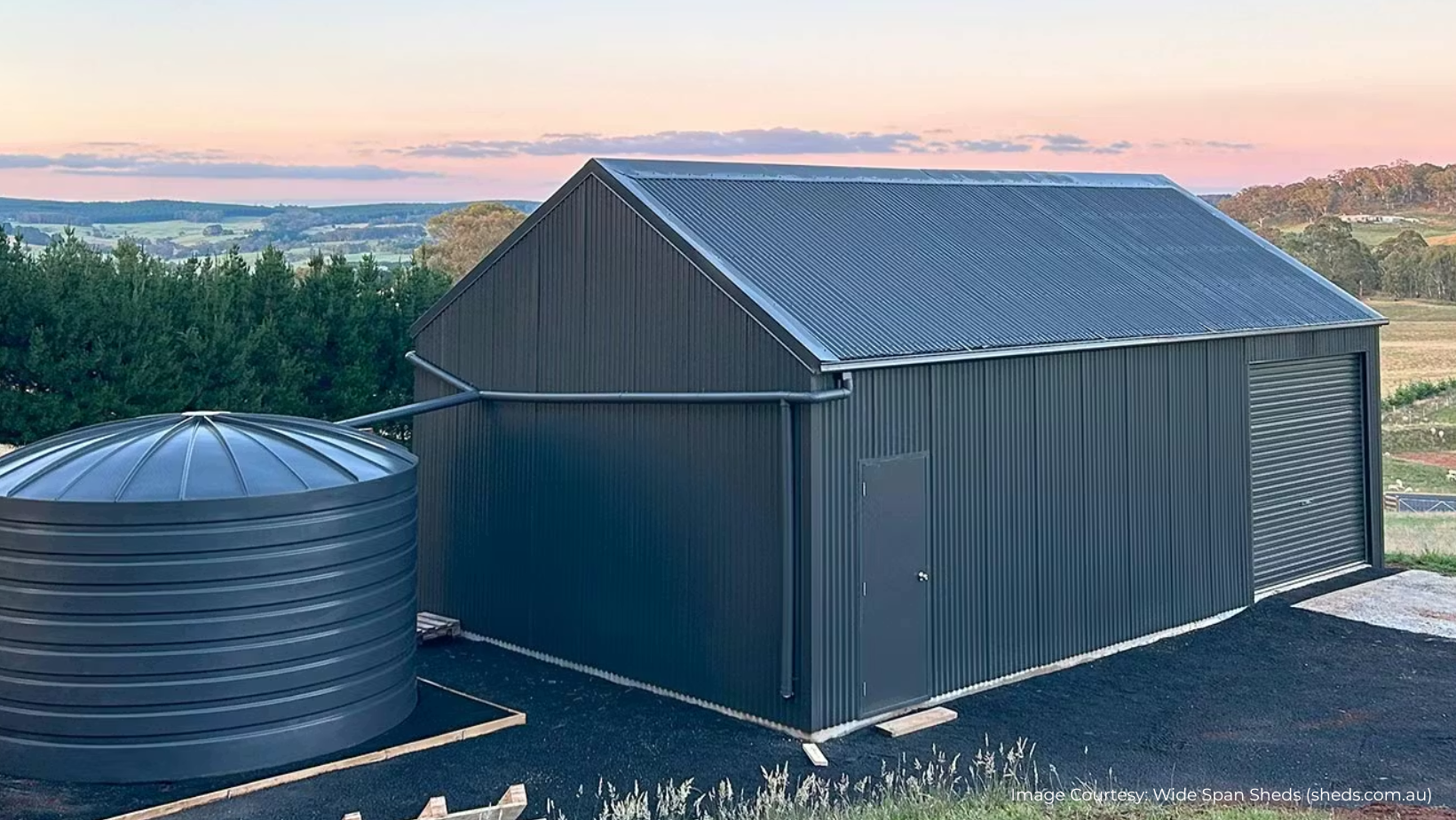
Condensation is one of the most common issues in steel sheds—and one of the most overlooked. If you’ve ever walked into your shed and noticed water droplets on the roof, damp tools, or even mould starting to form, you’re dealing with what many shed owners call a “sweating shed.”
The good news is that condensation can be controlled and prevented with the right combination of insulation and ventilation.
Why Steel Sheds Sweat
Steel sheds are highly prone to condensation because of how metal reacts to temperature changes.
When warm, moist air inside the shed comes into contact with the cold steel roof or wall sheets, it cools rapidly and turns into water droplets. This is the same process you see when a cold drink “sweats” on a hot day.
Common causes of condensation in sheds include:
- Temperature differences between inside and outside air
- Humidity from rain, soil, or stored materials
- Poor airflow or sealed-up sheds
- Lack of insulation under the roof
Without proper control, this moisture can build up quickly and lead to bigger issues.
Where Does Condensation Come From in a Steel Shed?
Condensation occurs when warm, moist air inside your shed meets cold steel surfaces. This happens most often:
- Under the roof sheets
- In poorly ventilated sheds
- When insulation is missing
- During cold mornings or humid conditions
Controlling airflow and temperature is the key to stopping condensation before it starts.
The Problems Caused by Condensation
Condensation isn’t just an inconvenience—it can cause real damage over time.
- Rust and corrosion on tools, machinery, and structural components
- Mould and mildew growth, especially in enclosed sheds
- Damage to stored goods, including cardboard, timber, and fabrics
- Slippery floors and unsafe conditions
- Reduced lifespan of your shed and its contents
That’s why managing condensation should be a priority for any shed owner.
The Role of Insulation in Preventing Condensation
One of the most effective ways to stop condensation is by installing proper shed insulation.
Insulation works by creating a barrier between the steel roof and the internal air, reducing temperature differences and preventing moisture from forming on the underside of the roof.
Trade Select Insulation
Trade Select insulation is a popular choice for steel sheds, offering reliable thermal performance and helping to regulate internal temperatures.
- Reduces heat transfer through the roof
- Minimises condensation build-up
- Suitable for a wide range of shed applications
- Improves comfort in both summer and winter
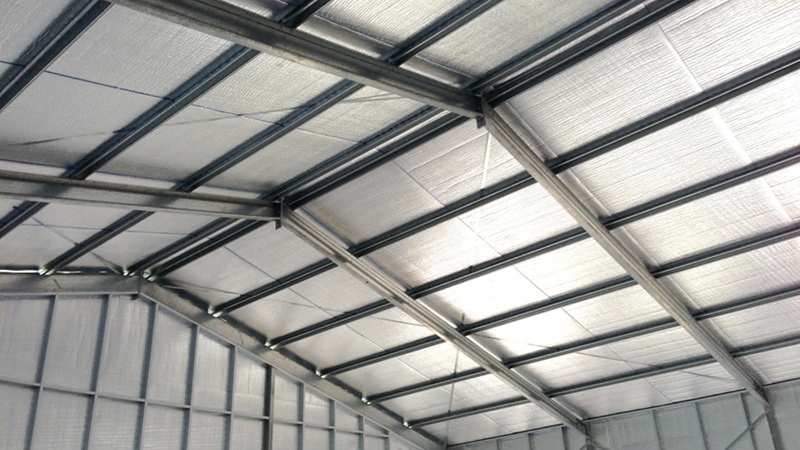
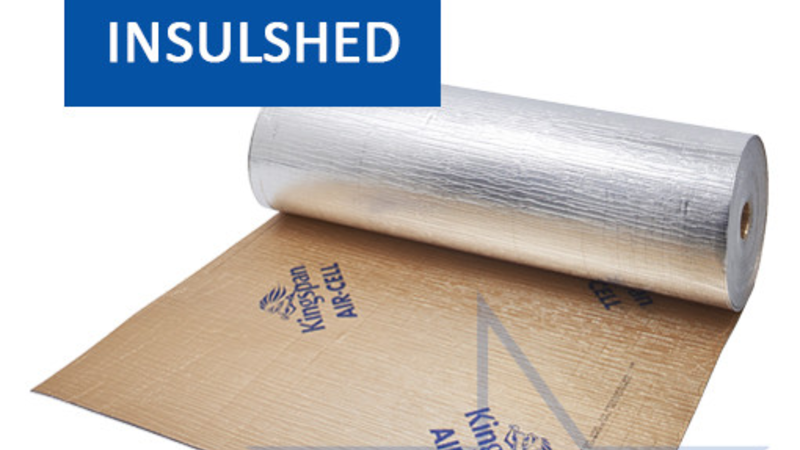
Insulshed 50 (Air-Cell) insulation is specifically designed for steel sheds and is highly effective at controlling condensation.
- Reflective insulation that reduces radiant heat
- Built-in vapour barrier to help prevent moisture
- Lightweight and easy to install
- Ideal for new builds or retrofits
This type of insulation is especially useful for sheds used as workshops, storage spaces, or liveable areas.
The Role of Ventilation in Stopping Condensation
While insulation reduces condensation, ventilation removes the moisture that causes it. Without proper airflow, humid air becomes trapped inside the shed, increasing the risk of condensation.
A well-ventilated shed allows warm, moist air to escape and fresh air to circulate.
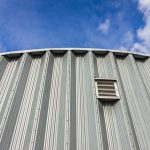
Wall Vents for Steel Sheds
Wall vents are one of the simplest ways to improve airflow inside your shed.
- Allow cross-ventilation through the shed
- Reduce humidity and trapped air
- Available in Colorbond® colours to match your shed
There are different vent options depending on your cladding profile:
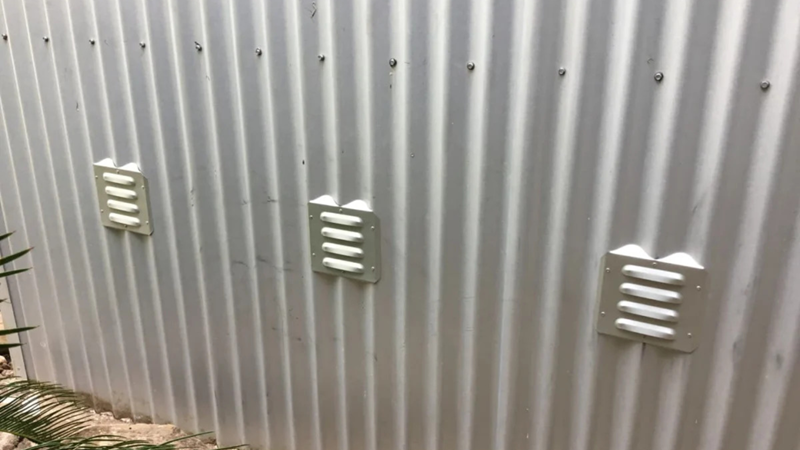
- Corro vents for corrugated (Custom Orb) cladding
- High-profile / Trimdek vents for ribbed steel sheets
- Flat vents for smooth cladding
- Long-span vents for larger industrial profiles
Choosing the correct vent ensures a proper fit and effective airflow.
Ridge Vent Ventilation
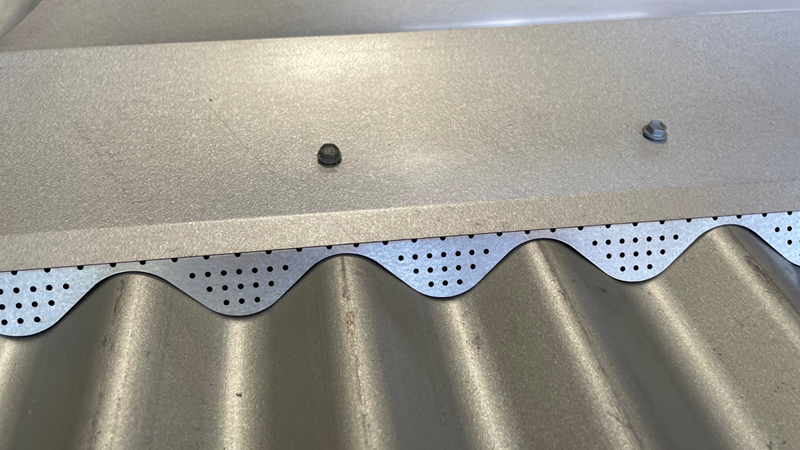
Ridge vents are installed along the roof ridge and allow hot air to escape naturally.
- Releases rising warm air from the highest point of the shed
- Reduces heat buildup and condensation
- Works continuously without power
- Ideal for both residential and commercial sheds
This is one of the most effective passive ventilation systems for steel sheds.
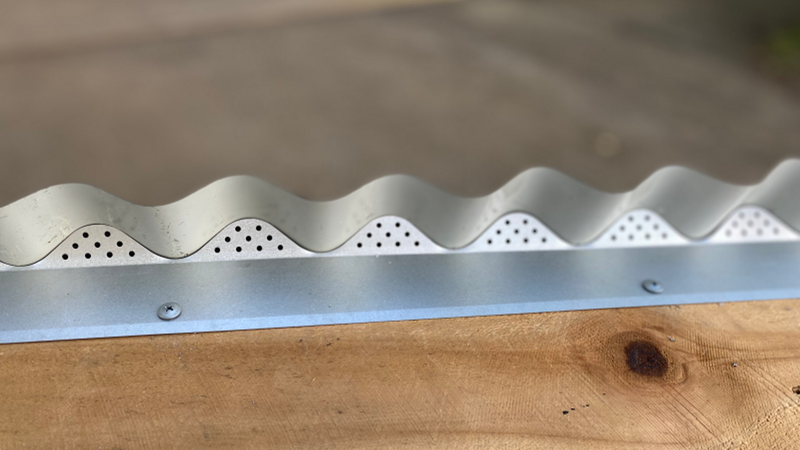
Eave vents allow cool air to enter the shed from below, creating a natural airflow cycle.
- Draws fresh air into the shed
- Works with ridge vents to create continuous airflow
- Helps regulate temperature and moisture levels
When combined with ridge ventilation, eave vents create a balanced system that keeps air moving.
Best Solution: Combine Insulation and Ventilation
The most effective way to stop condensation in a steel shed is to combine insulation and ventilation.
- Insulation prevents condensation forming on steel surfaces
- Ventilation removes moist air from inside the shed
Together, they create a balanced environment that keeps your shed dry, comfortable, and protected.
Practical Tips to Reduce Shed Condensation
In addition to installing insulation and ventilation, here are a few simple steps to help minimise condensation:
- Keep doors or windows open when possible to improve airflow
- Avoid storing wet items inside the shed
- Ensure proper drainage around the slab
- Check for gaps or areas where moisture may enter
- Maintain your ventilation systems regularly
Explore
- To see Vermin Proofing for your home or shed go here
- To see Windows and Sliding doors for your home or shed go here
- To find Insulation for your home or shed go here
- To find steel products for your home or shed project go here
- Discover steel watertanks for your home or shed go here
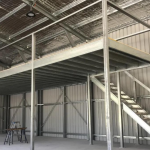
- Explore mezzanine floors for the home or shed here
Final Thoughts
Condensation is a common issue in steel sheds, but it doesn’t have to be a long-term problem. By understanding why sheds sweat and taking the right steps to manage moisture, you can protect your shed and everything inside it.
Using quality insulation like Trade Select or Insulshed, combined with effective ventilation solutions such as wall vents, ridge vents, and eave vents, will help keep your shed dry and functional year-round.
If you’re unsure what solution is right for your shed, reach out with your shed details and photos—we’re happy to help you find the best setup for your space.