Smart Pool Solutions for Energy Efficiency and Savings
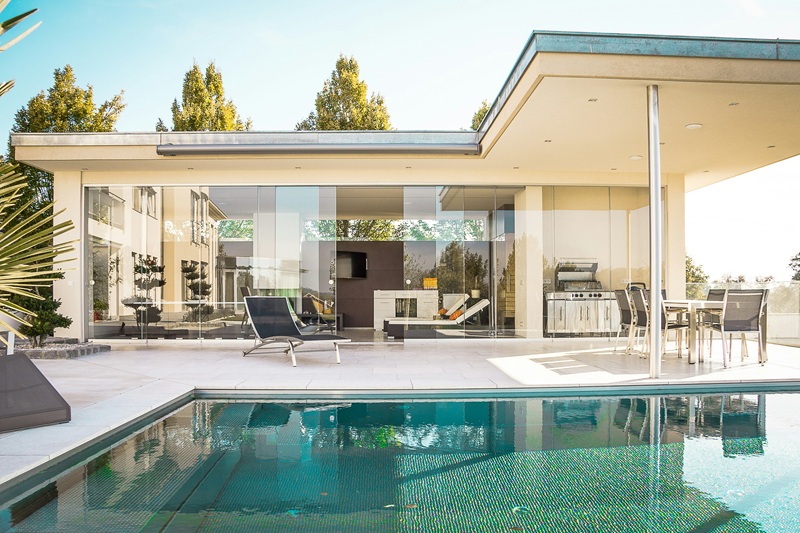
A backyard pool is a classic part of the Australian dream, offering a cool escape on hot days and a beautiful spot for entertaining. But the ongoing costs of electricity, water, and chemicals can really add up. Luckily, modern technology offers a smarter way to manage your pool, significantly cutting down on energy use and saving you money in the long run.
The Rise of Smart Pool Technology
Smart pool technology is all about making things automatic and efficient. It uses a system of connected devices that you can keep an eye on and control remotely, usually from a smartphone app. This means you can manage your pump schedules, lighting, heating, and water chemistry from anywhere, anytime. As smart home integration becomes common, people expect the same level of control over their backyard amenities. This shift has been embraced by forward-thinking pool builders, who now build these systems right from the start.
This connectivity lets your pool practically run itself. For example, sensors can tell when chemical levels are low and automatically add what’s needed, or adjust the pump speed based on what’s actually required instead of running full blast on a fixed timer. The future of pools is one where technology works quietly in the background to make your pool more sustainable and easier to use.
Energy-Efficient Pumps and Filters
After air conditioning, the pool pump is often one of the biggest energy users in a home. Traditional single-speed pumps run at a constant high speed, which is usually more power than you need for simple filtration. The solution is a variable-speed pump (VSP). You can program VSPs to run at much lower speeds for longer periods, which is a far more energy-efficient way to circulate the same amount of water. This simple change can cut a pump’s energy use by up to 90%, leading to big savings on your electricity bill.
Your pool’s filter also plays a role in how efficient it is. Older sand filters often need frequent backwashing, a process that flushes thousands of litres of treated and heated water down the drain. Modern cartridge and diatomaceous earth (DE) filters are better at catching small particles and need much less frequent cleaning. This saves a huge amount of water over the course of a year.
Automated Cleaning and Chemical Management
Keeping your pool clean and the water balanced is vital for safety and enjoyment, but it can be a real chore. Automated systems take away the guesswork and manual labour. Robotic pool cleaners, for instance, work independently of your main filtration system. They have their own internal motors and filter bags, scrubbing the pool floor and walls while using very little electricity.
Similarly, automated chemical monitoring and dosing systems make sure your water chemistry is always perfectly balanced. These systems use sensors to test the water and dispense precise amounts of chlorine and pH-adjusting chemicals as needed. This not only saves you time but also prevents over-chlorination, which can be harsh on swimmers and pool equipment, and stops you from wasting chemicals.
Heating Options for Extended Swim Seasons
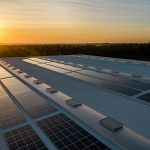
If you want to use your pool beyond the peak summer months, you’ll likely need a heater, which can be a major energy expense. However, there are several eco-friendly options available. Solar heating is the most sustainable choice, using the sun’s free energy to warm your pool water via panels installed on a nearby roof.
For more consistent heating, modern electric heat pumps are an excellent option. They don’t create heat like a traditional electric resistance heater; instead, they capture ambient heat from the air and transfer it to the pool water. This process is incredibly efficient, often using five times less energy to produce the same amount of heat. Combining any heating system with a high-quality pool cover is also a must. A cover can reduce heat loss by up to 75% and dramatically cut down on water evaporation.
Designing Your Eco-Friendly Pool
The best time to plan for an energy-efficient pool is during the design phase. Simple choices can have a lasting impact on your running costs. For instance, positioning the pool to get maximum sun exposure can significantly reduce your heating needs. Choosing a lighter-coloured interior finish can help keep the water cooler in hot climates, reducing evaporation.
Integrating smart technology from the start ensures all components work together seamlessly. This includes everything from the plumbing layout, which can be designed to improve water flow and reduce pump strain, to selecting the right energy-efficient pool features for your specific climate and how you plan to use the pool. A well-designed, eco-friendly pool isn’t just better for the environment; it’s also cheaper to run and easier to maintain.
A smart pool turns a luxury item into a sustainable asset. By embracing modern pumps, automated systems, and thoughtful design, you can enjoy all the benefits of a backyard pool without the high energy bills and environmental impact.