Best Cooling Options for Sheds Used for Food or Produce Storage
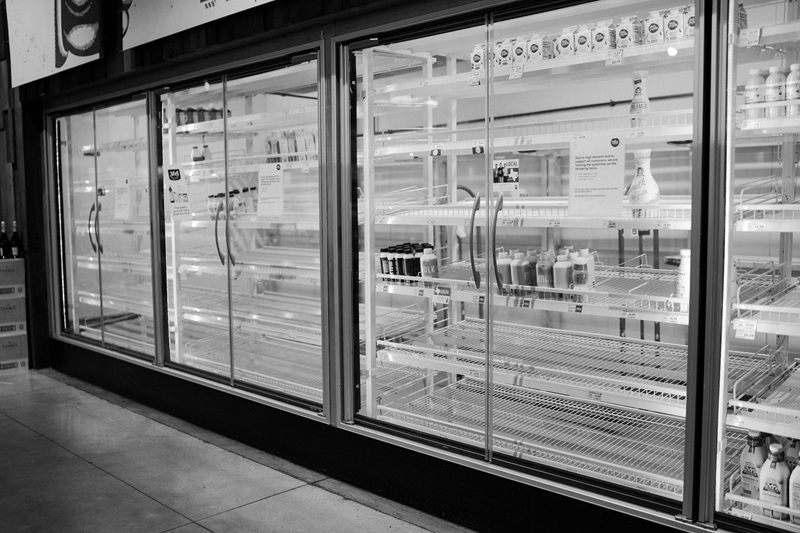
Using your shed to store fresh produce from the garden or for a small-scale business? That’s a brilliant idea! But as any Aussie knows, a standard tin shed can quickly turn into an oven during summer, and that’s the last thing your fruits and veggies need.
Keeping your produce fresh, crisp, and safe to eat really comes down to controlling the temperature. Luckily, there are a few ways to cool down your shed, from simple DIY fixes to more serious solutions.
Start with the Basics: Insulation and Ventilation
Before you even think about plugging anything in, let’s start with the shed itself. Most of the heat inside comes from the sun baking the roof and walls. Without good insulation, that heat just radiates right in and gets stuck. So, installing insulation in the roof and walls is hands down the most effective thing you can do to keep the temperature steady. Reflective foil insulation is a popular choice for sheds because it bounces that radiant heat away.
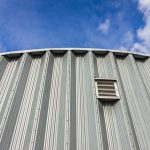
Good ventilation is just as important. Hot air naturally rises, so putting in a whirlybird or a roof vent lets it escape. If you pair this with wall vents lower down, you create a natural airflow, pulling cooler air in and pushing the hot air out. This passive method won’t make your shed freezing cold, but it will definitely stop those extreme temperature spikes that can ruin produce.
Dedicated Cold Storage: Walk-in Cool Rooms
For anyone really serious about storing a lot of produce, like a small farm, a market stall holder, or a community garden group, turning part of your shed into a walk-in cool room is the ultimate answer. This means building an insulated room right inside your shed and adding a dedicated refrigeration unit. You’ll get precise temperature control, making sure everything from leafy greens to root vegetables stays at its best for longer.
Building a cool room is a specialist job, though. It needs professional planning and installation to make sure it’s efficient and safe for food. If you need a reliable setup for your business, getting advice from experts in commercial refrigeration can ensure your system is designed and installed correctly from the get-go. A well-built cool room is an investment that protects both your produce and your profits.
Stepping Up: Air Conditioners for Sheds
If a full cool room feels like overkill, a standard air conditioner might be just right. Modern air conditioners for sheds are way more efficient and affordable these days. A small window unit or a portable air conditioner can be enough to cool a well-insulated small shed. For bigger spaces or if you need really consistent temperatures, a mini-split system is a fantastic choice.
These systems have an outdoor compressor and an indoor unit, and they’re super effective at holding a set temperature. Sure, the initial cost and electricity use are higher than simpler methods, but an air conditioner gives you the power to create a stable environment, which is crucial for delicate produce like berries, stone fruit, and salad greens.
Simpler and Cheaper Cooling Hacks
Not everyone needs, or can afford, a full-blown air con unit. If you’re on a tighter budget, there are still plenty of effective ways to heat/cool a shed. An evaporative cooler can work wonders, especially if you live somewhere less humid. These units use water evaporation to cool the air and can be a much cheaper alternative to air conditioning.
And don’t underestimate the power of shade! Planting a deciduous tree on the western side of your shed can give you natural shade in the summer. You could also install an awning or use shade cloth over the roof and walls to block direct sunlight. Inside, a simple pedestal fan can help move the air around and stop hot spots from forming, especially when you’ve got open vents.
Don’t Forget to Monitor the Climate
Whatever cooling method you pick, you need to know if it’s actually doing its job. A simple digital thermometer with a humidity sensor is an absolute must-have. Put it inside your shed, away from direct sunlight, and check it often. Different types of produce require different storage conditions, so knowing the exact temperature and humidity will help you make adjustments and keep your harvest fresh for as long as possible.
Keeping your shed cool enough for produce storage is totally doable. It’s all about finding the right solution for your specific needs, the size of your shed, and your budget.