From Garden to Shed: Simple Ways to Improve Your Outdoor Living Space
Your content goes here. Edit or remove this text inline or in the module Content settings. You can also style every aspect of this content in the module Design settings and even apply custom CSS to this text in the module Advanced settings.
Most people have an outdoor space that is technically there but not quite being used the way it could be. The garden has good bones but the maintenance has slipped. The shed is useful for storage but does not feel like anything more. The space between them, the patch of yard that could genuinely be something, sits underutilised. The gap between what an outdoor space is and what it could be is almost always a series of small improvements rather than one large project, and most of those improvements cost a lot less than people assume.
Getting your outdoor space working properly is worth the effort. It adds usable living area to your home without construction, it improves how the whole property feels, and done well, it creates places you and other people actually want to spend time in.
Start With the Trees: The Element That Changes Everything
Nothing shapes the character of an outdoor space more significantly than its trees. A well-maintained tree provides shade, filters light through a garden, creates visual structure, and adds maturity and calm to a property that no planting or built addition can replicate quickly. A poorly maintained tree does the opposite: it blocks light in the wrong places, drops branches unpredictably, outcompetes surrounding plants for water and nutrients, and in some cases creates genuine hazard for people and structures underneath it.
The instinct most homeowners have is to manage trees themselves where possible, and for minor maintenance this is reasonable. But significant pruning, the kind that shapes the canopy, removes deadwood, or addresses structural concerns, requires the knowledge to understand how a tree will respond to each cut. Getting this wrong can damage the tree’s health, introduce disease entry points, or create the exact structural weakness you were trying to prevent.
Consulting an arborist Melbourne through The Savvy Pruner changes the relationship with your trees from reactive to managed. A qualified arborist assesses what each tree needs for both safety and health, carries out pruning at the right time in the growth cycle, and gives you a clear picture of what your trees will do over the coming years. In Melbourne’s climate, where dry summers stress canopy health and strong spring winds test structural integrity, that professional picture is genuinely valuable. Getting the trees right first unlocks everything else in the garden because you are now working with stable light, established shade, and healthy root zones rather than managing around unpredictable problems.
The Garden Layer: Low Effort, High Return
Once the tree canopy is sorted, the garden layer beneath it responds quickly to consistent attention. The improvements that produce the most visual and functional return for the least ongoing effort are almost always the same:
- Mulching garden beds deeply, at least 75mm, to suppress weeds, retain moisture through summer, and steadily improve soil quality as it breaks down
- Defining edges clearly, between lawn and beds, between paths and plantings, between the structured and the informal areas of the garden: clear edges make a garden look maintained even when other things are a little untidy
- Adding one or two feature plants in strategic positions that provide seasonal colour or strong foliage form without requiring constant care
- Installing simple path lighting that makes the garden usable after dark and changes the entire atmosphere of the outdoor space on summer evenings
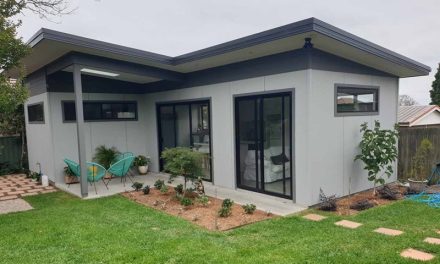
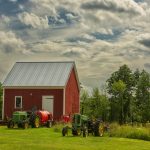
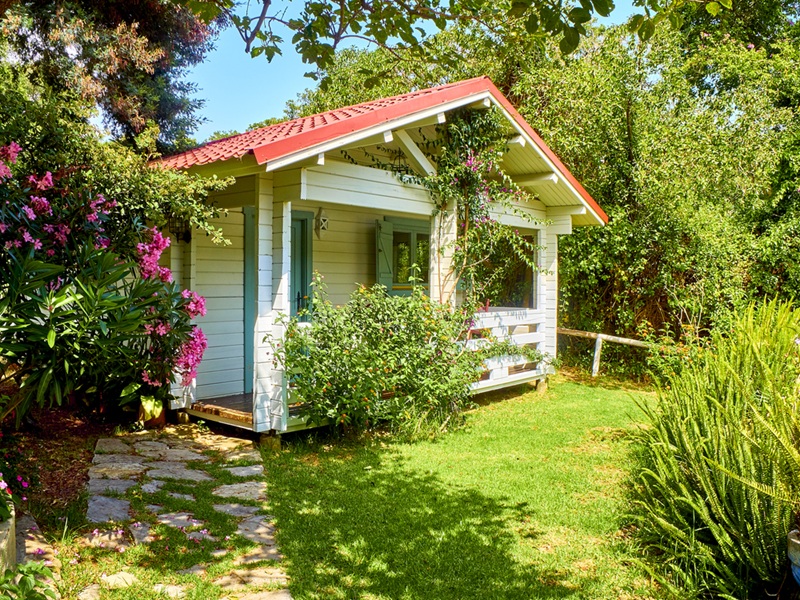
The garden connects the house to the shed and to any other structures on the property. When it is cared for, the whole property reads as intentional rather than accumulated. The creative potential of a garden shed as a landscape feature rather than just a storage structure only becomes visible when the garden around it has been considered with the same attention. The shed does not sit separately from the garden. It sits within it, and the two need to be thought about together.
The Shed and the Water Setup That Makes Outdoor Time Better
The shed tends to be the last thing people invest attention in when improving an outdoor space, partly because its functional purpose feels separate from the aesthetic and livability goals of the garden. But the shed is where the tools that maintain the garden live, where hobbies get pursued, and where extended outdoor time becomes possible regardless of weather. Getting it right is worth the same consideration as any other part of the outdoor space.
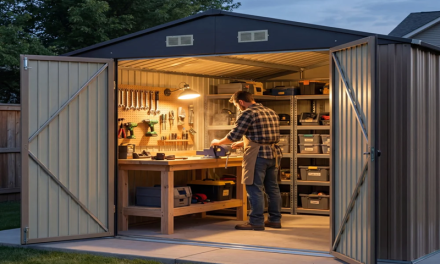
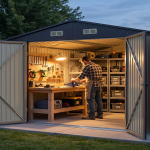
The practical upgrades that make a shed genuinely more useful are well covered in the detailed look at how to transform a backyard shed into a functional living space: lighting, insulation for temperature regulation, proper storage organisation, and a power supply that supports the tools and devices you actually use there. These are not complicated changes and most can be done progressively rather than all at once.
One addition worth considering for anyone who spends significant time outdoors in an Australian summer is a dedicated water supply that goes beyond the garden tap. If the shed or outdoor area is a place where you exercise, work, or simply spend long hours, having access to genuinely good water rather than straight tap water matters for how you feel through those hours. Installing a filtered water point near the outdoor area, or investing in a system that you can shop home water filters for through Zazen Alkaline Water, transforms hydration from an afterthought into something you actually maintain through a long summer day outdoors. The Zazen system remineralises as well as filters, which means the water it produces supports cellular hydration more effectively than standard tap water. For anyone doing physical work or exercise in heat, that distinction is not trivial.
Pulling the Whole Space Together
The outdoor spaces that feel genuinely good to be in share a common quality: they have been designed as a whole rather than assembled from separate parts. The garden connects to the shed. The shed connects to the house. Paths, lighting, planting, and structure all speak to each other rather than existing independently.
Getting there does not require a landscape architect or a large budget. It requires the willingness to look at the space as a system and to address each part in relation to the others. Trees first, because they set the conditions for everything else. Garden layer second, because it fills the space between structures and makes the transitions feel considered. Shed and functional infrastructure third, because these are what make the outdoor space genuinely liveable rather than just visually appealing.
Small improvements made consistently produce an outdoor space that accumulates into something you are proud of and actually use. That is the point.