4 Critical Steps Before Demolishing an Aging Garage
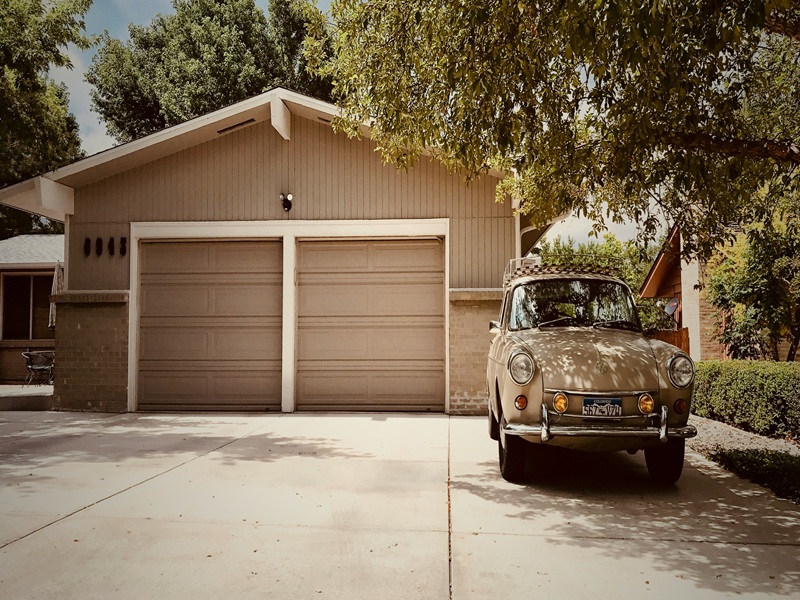
An old garage may look simple to remove, but its frame, services and building materials can create serious risks once work starts. Before booking machinery or pulling off wall sheets, check what’s holding the structure up, what’s connected to it and where every type of waste will go.
A clear demolition plan protects workers, nearby buildings and your budget while helping the project stay within local council and environmental rules.
Surveying the Existing Building Frame
Start with a close inspection of the garage’s roof, walls, slab and footings. A professional demolition survey records structural weaknesses, hazardous materials and site conditions that could affect the work sequence. For example, a sagging roof may rely on a damaged wall for support, making casual removal dangerous.
Confirm how close the garage sits to fences, sheds and the main home. You should also locate shared walls, concealed supports and difficult access points for equipment. If the survey identifies suspected fibre cement sheeting or old insulation, arrange testing and, where required, professional asbestos removal before disturbing the material. Photographing the structure and marking problem areas gives contractors a useful reference when preparing their work plan.
Disconnecting Utilities and Services
Trace every service entering or passing near the garage before demolition begins. Common connections include electricity, water, drainage, data cables and rooftop solar wiring. Don’t assume an unused light switch means the electrical circuit is dead. A licensed tradesperson should isolate the supply at the correct point and confirm it’s safe.
Check beneath the slab and around the driveway for buried pipes or cables. Old garages sometimes contain undocumented DIY connections that don’t appear on current plans. Your council or building authority may also require approvals before work starts. Although requirements vary between jurisdictions, this overview of garage demolition permits shows the kinds of documents, inspections and service confirmations authorities may request. Keep written disconnection records on site in case the demolition contractor needs to verify them.
Arranging Safe Hazardous Waste Extraction
Garages built or renovated decades ago can contain materials that need controlled handling. Potential hazards include fibre cement products, lead-based paint, treated timber, fluorescent tubes, old batteries and chemical residues. Don’t break, sand or drill an unknown product to identify it, as this can release dust or contamination.
Arrange laboratory testing when the material can’t be reliably identified from plans or labels. The results help contractors choose suitable containment, protective equipment and transport procedures. Clear stored paints, oils and garden chemicals before structural work starts, keeping products in their original containers where possible. Your local council can explain which household chemical drop-off options are available. Hazardous waste should be documented separately from ordinary debris so there’s a clear record of its removal and lawful disposal.
Disposing of General Construction Debris
Once hazardous materials have been cleared, plan how to separate the remaining debris. Timber, concrete, bricks and scrap metal may be accepted by different recycling facilities, while mixed loads can attract higher disposal fees. Place labelled skips in an area that collection trucks can reach without crossing soft lawns, septic systems or low overhead cables.
Estimate volume carefully. A garage that appears small can produce a surprisingly large pile once roofing, framing and the slab are broken down. Ask the demolition contractor which materials are included in their quote, where the waste will be taken and whether tip fees are fixed or charged by weight. Keep dockets from licensed facilities, particularly if council approval requires proof of lawful disposal. Reusable doors, shelves or sound framing timber should be removed before heavy machinery arrives, provided they’re free from contamination.
The safest demolition date is one set after survey findings, service disconnections and waste bookings are confirmed in writing. That paperwork may seem minor, but it prevents the job from stalling with an unstable frame, a live connection or a skip full of material that the disposal facility won’t accept.