Oven Repair Mistakes That Could Cost You More in the Long Run
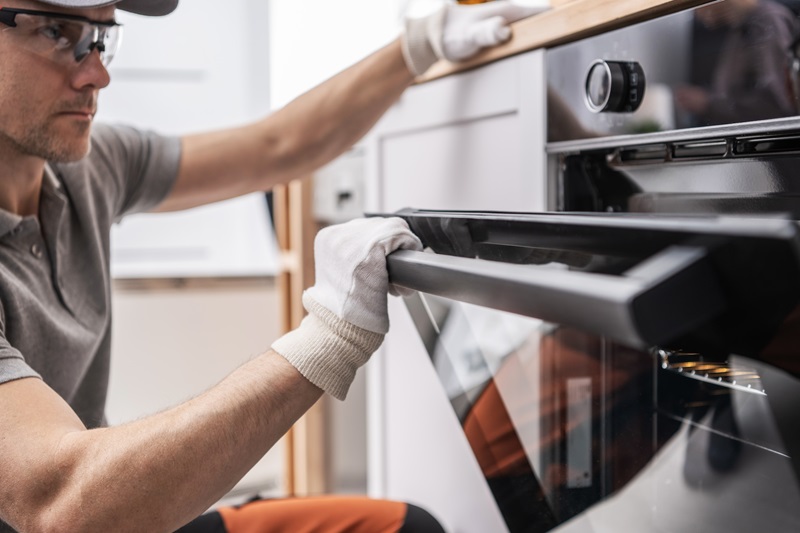
When your oven stops heating properly, trips the power or starts making strange noises, it can be tempting to try a quick fix. After all, nobody wants to be without a working oven for long. But some repair mistakes can turn a simple problem into a more expensive one, especially if electrical parts, heating elements or safety components are involved.
Professional oven repairs can often save time, reduce risk and help extend the life of the appliance. The key is knowing when a problem is minor, when it needs expert attention, and which mistakes to avoid before the damage gets worse. If your oven is playing up, here are the common repair mistakes that could cost you more in the long run.
Ignoring Early Warning Signs
Many oven problems start small. The oven may take longer to heat up, cook unevenly, make a buzzing sound, or occasionally trip the safety switch. Because the oven still works most of the time, it is easy to ignore these signs.
The trouble is that small faults can become bigger over time. A failing heating element, worn thermostat, damaged fan or loose electrical connection may keep deteriorating until the oven stops working completely. If something feels different, it is worth paying attention. You should fix a faulty oven in Perth to prevent further damage and save on further repairs.
Trying to Fix Electrical Faults Yourself
Some oven issues are not suitable for DIY repair. Ovens use high-power electrical components, and even a small mistake can be dangerous. If the oven is tripping the power, sparking, smelling burnt or showing signs of electrical damage, it should be checked by a qualified technician.
Replacing parts without understanding the fault can also create new problems. For example, changing a heating element may not fix the issue if the real problem is with the thermostat, selector switch, control board or wiring.
DIY electrical work can also void warranties, create safety risks and lead to more expensive repairs later. If electricity is involved, it is better to get the appliance inspected properly.
Assuming the Heating Element Is Always the Problem
A common mistake is assuming that poor heating always means the heating element has failed. Sometimes that is true, but not always.
An oven that does not heat properly may have a faulty thermostat, damaged sensor, broken fan, failed selector switch, control board issue or problem with the power supply. In fan-forced ovens, the fan and element work together, so one fault can affect the other.
Replacing the wrong part wastes money and may not solve the problem. A proper diagnosis is important because the symptoms can be similar across several different faults.
Continuing to Use a Faulty Oven
If the oven still works a little, many people keep using it while hoping the problem will go away. This can be risky, especially if there are electrical symptoms, unusual smells or overheating.
A faulty oven may cook food unevenly, burn meals, fail to reach safe temperatures or place extra strain on other components. If there is a wiring issue, continuing to use the oven could make the problem worse.
It is usually better to stop using the oven until the issue is checked, particularly if it trips the power, smokes, sparks, or smells like burning plastic.
Using the Wrong Replacement Parts
Not all oven parts are interchangeable. Even if a part looks similar, it may not suit your oven model. Using the wrong element, seal, thermostat, knob, hinge or fan component can affect performance and safety.
This is especially important with modern ovens, where parts may vary between brands, models and production years. A cheap online part may seem like a bargain, but if it does not fit correctly or fails quickly, you may end up paying more to fix the issue properly.
When booking professional oven repairs, the technician can identify the correct part and make sure it is installed safely.
Neglecting the Door Seal
A worn or damaged oven door seal might not seem urgent, but it can cause real problems. If heat escapes from the oven, it may take longer to cook food, use more energy and put extra pressure on the heating components.
You may notice that food cooks unevenly, the oven struggles to maintain temperature, or the outside of the appliance feels hotter than usual. Over time, this can affect both performance and efficiency.
Replacing a damaged seal is usually a simple repair, but ignoring it can make the oven work harder than it should.
Overlooking Fan Problems
In fan-forced ovens, the fan helps circulate hot air so food cooks evenly. If the fan stops working, becomes noisy or spins unevenly, the oven may still heat but not cook properly.
Some people assume uneven cooking is just an issue with rack position or recipe timing. While that can be true, a faulty fan can also be the cause.
A noisy fan may indicate worn bearings, obstruction, motor issues or damage. Leaving it too long can lead to further wear and may make the repair more expensive.
Forgetting About Hinges and Door Alignment
An oven door that does not close properly can affect cooking performance. Damaged hinges, worn springs or poor alignment can allow heat to escape, which makes the oven less efficient and less accurate.
You may notice the door sits slightly open, feels loose, drops too quickly or no longer seals tightly. These issues should not be ignored.
If the door is forced or slammed repeatedly, the damage can worsen. Fixing hinges early may prevent extra strain on the seal, glass and surrounding frame.
Waiting Until the Oven Completely Fails
Leaving repairs until the oven stops working altogether can be inconvenient and more expensive. It can also leave you without a working appliance at the worst possible time, such as before guests arrive, during a busy week or around holidays.
If your oven is showing signs of trouble, it is better to act early. Small repairs are often easier to manage than full breakdowns.
Get Oven Problems Checked Before They Get Worse
Oven faults can be frustrating, but rushing into the wrong fix can make things worse. Ignoring warning signs, attempting unsafe DIY repairs, using the wrong parts or continuing to use a faulty appliance can all increase the final cost.
If your oven is not heating properly, cooking unevenly, making unusual noises or tripping the power, professional oven repairs are usually the safest and most practical option.