How To Manage Drainage And Rainwater Around Your Shed
An outdoor space that has been properly designed can be beautiful and functional year-round. One of the most effective methods for protecting a shed from standing water is through the proper management of rainwater before it creates problems. Managing rainwater will protect your shed from water related damage and reduce debris that settles close to the structure. Making a few smart decisions regarding the direction you want to guide water flow can make creating a yard with less deterioration after heavy rains much easier.
Start With The Right Location
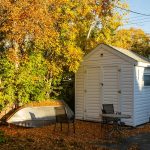
If your shed hasn’t been built yet, find an area where natural drainage works in your favor. A slightly raised area encourages rainwater to drain away from the base of your shed. Before installation, look at how water flows across the yard after a downpour. This simple observation makes it much easier to select a location that stays dry without requiring major changes later.
Even if the ground is mostly level, small adjustments can improve the flow of water. A gentle slope is often enough to keep water moving in the right direction.
Improve The Ground Around The Structure
The area surrounding the building plays an important role in keeping everything dry. A trusted method for controlling moisture is allowing water to flow underneath gravel used as the ground cover. Gravel is a visually appealing option for most landscaping options, and its ability to allow water to flow under it rather than accumulating water on top helps keep things clean.
A clear space around sheds makes regular maintenance easier while helping rainwater drain naturally. Keeping leaves and other debris away from this area also supports better water movement during wet weather.
Make Rainwater Work For You
You may be able to use rainwater to water your yard on drier days. By installing a gutter system that collects water from your shed roof and directs it to a rain barrel, you will have additional water to use for watering plants, washing down outdoor equipment, or other uses. This way, water does not fall near your building, and it gives you an alternative way to store and use it.
Checking gutters every so often helps them continue working efficiently, keeping water from the surface area, from spilling over and saturating the ground around the base of the shed.
Keep The Landscape Healthy
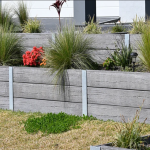
Planting vegetation to create a stable landscape is another way to promote successful drainage. Planting grass or ground covers will allow for absorption of excess moisture from rainfall while at the same time reducing soil erosion. Choosing plants that are adapted to your local climate will provide you with a beautiful space that stays dry through varying weather patterns.
Enjoy A Dry And Well Protected Shed
Managing drainage around a shed does not need to be difficult. Thoughtful planning of your overall design, proper selection of ground materials, and using simple, cost-effective methods to manage rainfall can help keep both your shed safe and enhance the beauty of the yard around it. Small improvements made today can provide lasting benefits for years to come and considerably extend the lifespan of your shed.