The Main Phases Of A Construction Project
Whatever it is that you are thinking about building, you’ll want to make sure that you are prepared for the whole journey. That means you need to know about every potential phase that you are likely to go through. Every construction project, whether it involves a modest residential extension or a towering commercial development, unfolds through a series of carefully coordinated stages. Each phase builds upon the last, ensuring that ideas evolve into tangible structures safely, efficiently, and in accordance with regulations. Understanding these key phases not only demystifies the construction process but also helps clients, developers, and contractors collaborate more effectively.
Conceptualisation and Planning
The journey begins with an idea. At this early stage, clients define their goals, establish their budget, and consider the purpose of the project. Architects, designers, and consultants are often brought in to translate concepts into workable proposals. Feasibility studies are conducted to assess whether the project is financially viable and technically achievable. Factors such as site conditions, local planning laws, environmental considerations, and infrastructure access are examined in detail. This phase is essential because it lays the groundwork for everything that follows. Clear objectives and realistic expectations help prevent costly delays or revisions later.
Design and Development
Once the concept is approved, the project moves into the design stage. Architects and engineers refine initial ideas into detailed plans, producing drawings, specifications, and structural calculations. This stage often unfolds in multiple steps, including schematic design, design development, and the creation of comprehensive construction documents. During this phase, compliance with building regulations and planning permissions is secured. Local authorities review proposals to ensure they meet safety standards and zoning requirements. Simultaneously, sustainability considerations – such as energy efficiency, material selection, and environmental impact – are integrated into the design.
Demolition and Site Preparation
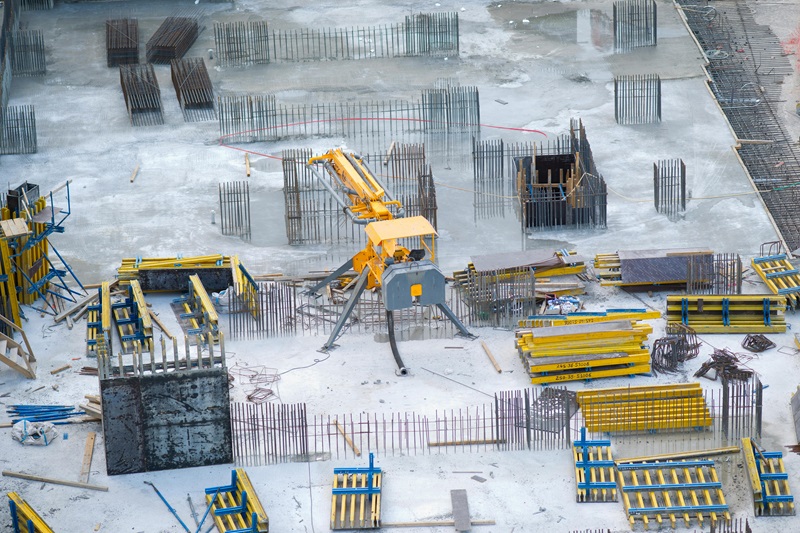
Before new construction can begin, the site must be prepared. In some cases, this involves clearing vegetation or levelling land; in others, it requires the careful demolition of existing structures. Demolition is far more complex than simply tearing down a building. It demands meticulous planning, specialised equipment, and strict adherence to safety and environmental regulations. Professional demolition teams assess structural integrity, identify hazardous materials such as asbestos, and determine the safest method for dismantling a structure. Controlled techniques are employed to minimise disruption to surrounding areas and reduce environmental impact. Salvageable materials are often recycled or repurposed, contributing to sustainability efforts.
Construction and Structural Development
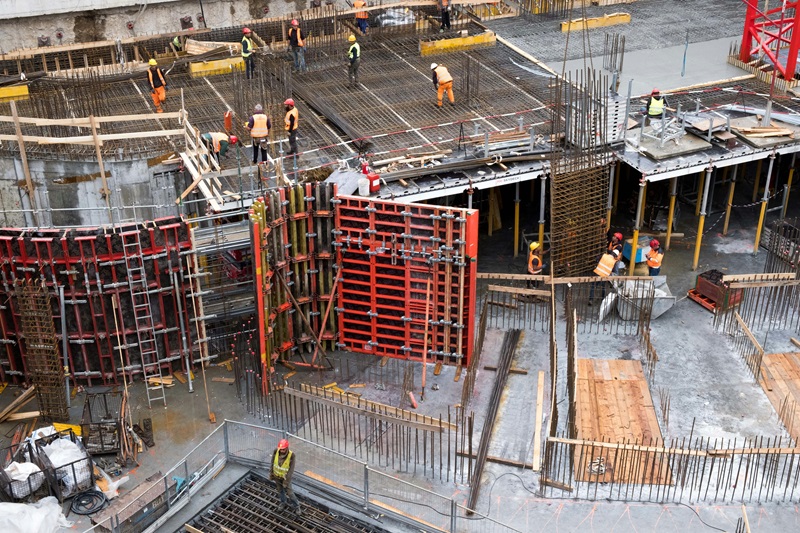
The construction phase is where plans take physical form. Foundations are poured, frameworks rise, and the structure begins to emerge. This stage typically unfolds in several sub-phases, starting with groundwork and progressing through framing, roofing, and external cladding. Skilled tradespeople – including carpenters, electricians, plumbers, and bricklayers – work in coordination under the guidance of site managers and project supervisors. Regular inspections ensure compliance with safety standards and building codes. Effective communication is essential to maintain progress and resolve challenges swiftly.