Make Your Backyard Shed a Productive Workspace
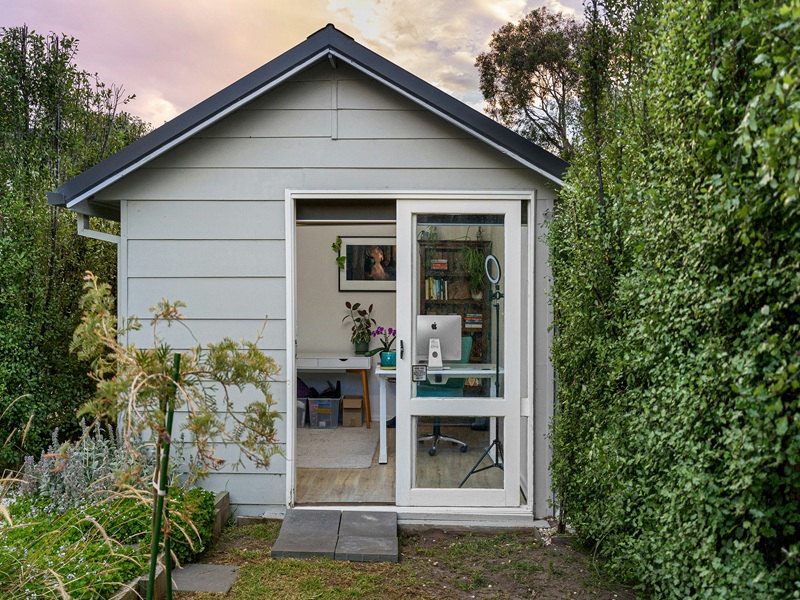
A backyard shed can become a practical home office, creative studio or hobby room once the basic building issues are sorted. Start with the shell before buying furniture or decorating. A stable floor, sealed gaps, controlled daylight and comfortable temperatures will protect your equipment and make longer work sessions far more pleasant.
Plan the Structural Layout First
Measure the internal floor area, wall height and door clearance, then sketch where everything will go. Allow enough room to pull out a chair, open cupboards and carry larger items through the doorway. Position your main desk near natural light, but avoid placing a computer screen directly opposite a window.
Check the floor for movement, damp patches or uneven sections. Wall linings and insulation will reduce the usable dimensions, so include their thickness in your calculations. If you plan to add power points or data cabling, decide where they belong before lining the walls. Electrical work should always be completed by a licensed electrician.
Seal Openings Against Vermin and Draughts
Inspect corners, wall joins, vents and the space beneath the door. Even a small opening can admit insects, dust and cold air. Useful shed pest prevention measures include repairing damage promptly, trimming nearby vegetation and keeping food in sealed containers.
Fit a door sweep and use suitable sealant around fixed gaps. Cover ventilation openings with fine mesh without blocking the airflow. Moisture also deserves attention because damp materials can encourage mould and attract pests. These moisture and pest controls include maintaining drainage around the shed and storing boxes above floor level.
Manage Glare and Privacy with Curtains
Window coverings let you adjust daylight throughout the working day. If afternoon sun falls across your monitor, glare can make text harder to read and heat the room quickly. Properly fitted curtains can soften bright light, provide privacy and add a more finished feel to a converted shed.
Choose a fabric according to the window’s position and how you’ll use the space. A light-filtering material suits a studio where natural colour matters, while a lined option offers better control in a home office used for video calls. Keep fabric clear of heaters, work surfaces and damp walls. A washable or easy-care material is sensible in dusty garden settings.
Set Up Dedicated Task Lighting
A single ceiling fitting rarely provides enough light for detailed work. Combine general room lighting with a desk lamp or adjustable task light aimed at the area where your hands are working. This arrangement reduces shadows when you’re reading plans, assembling small parts or using art materials.
Choose LED fittings with a colour temperature suited to the job. Warm white light feels relaxed, while neutral white light often works better for paperwork and practical tasks. Place lamps so your hand doesn’t cast a shadow over the work area. Conceal or secure loose leads along walls and under desks, keeping walkways clear. If the shed needs new wiring or additional circuits, ask a licensed electrician to assess the load.
Balance Interior Temperatures Year Round
An unlined shed can heat up quickly in summer and lose warmth soon after sunset in winter. Insulate the walls and ceiling where the structure allows, then check that the building still has adequate ventilation. Draught seals help stabilise the room, though vents should remain open and unobstructed.
Use a thermometer to track conditions across several days before choosing heating or cooling equipment. A ceiling fan or portable fan may be enough for a shaded shed, while a more exposed building could need professional advice on an efficient fixed system. Keep computers, paper and timber furniture away from condensation-prone walls.
Once the room is in use, watch the window nearest your desk during the brightest part of the afternoon. That simple check will show whether the workspace is genuinely comfortable or still needs better shading, airflow or task placement.