When Should You Rekey Your Locks Instead of Replacing Them
When you want to change who can get into your home, you generally have two options: rekey your existing locks or replace them entirely. Both achieve better security, but they work in different ways, suit different situations, and come at different costs. Knowing which to choose can save you money and get you exactly the result you need. Here’s a guide to when rekeying makes sense and when replacing is the better choice.
What rekeying actually means
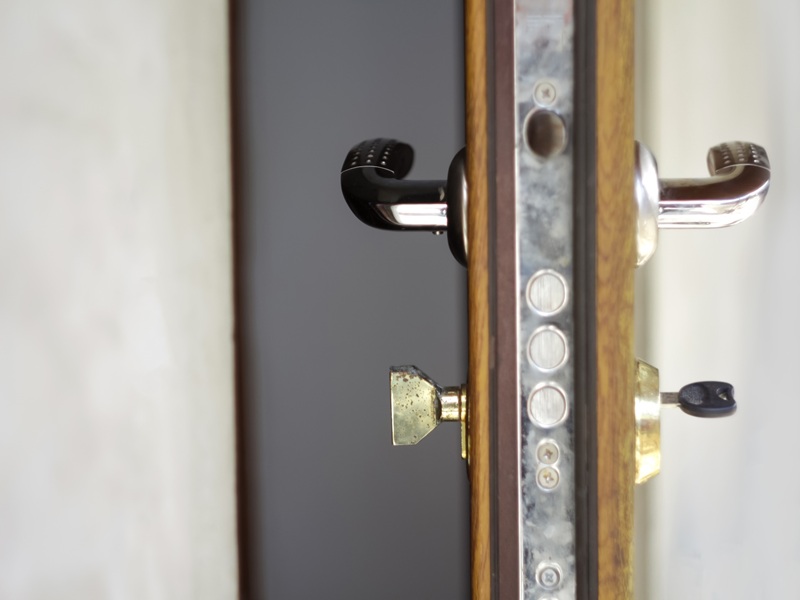
Rekeying is the process of changing the internal mechanism of a lock so that it works with a new key, while keeping the same lock hardware. A locksmith alters the pins inside the lock so the old keys no longer work.
The lock itself stays on your door, but any existing keys are rendered useless and you get a fresh set. It’s a clever, cost-effective way to control access without buying entirely new locks.
What replacing involves
Replacing a lock means removing the existing hardware entirely and fitting a brand new lock in its place. You end up with a completely different lock, along with its new keys.
This is the option to choose when you want new hardware, whether for better security, a different style, or added features. It’s a bigger change than rekeying, both in what’s involved and in cost.
When rekeying makes sense
Rekeying is ideal when your existing locks are in good condition but you simply want to control who has a key. Moving into a previously owned home is a classic example, since you can’t be sure who still holds copies of the old keys.
It’s also handy if you’ve lost a key, had one stolen, or want to reduce the number of keys floating around. Another benefit is that a locksmith can rekey several locks to work with a single key, which is convenient if you’re tired of juggling multiple keys.
When replacing is the better choice
Replacing makes more sense when your locks are worn, damaged, or no longer working smoothly. There’s little point rekeying a lock that’s on its last legs, since the underlying hardware still won’t be reliable.
It’s also the way to go if you want to upgrade your security or add features the old locks don’t offer, such as a higher-quality deadbolt or a keyless option. If you’re improving your locks rather than just changing the keys, replacing is the answer.
Comparing the cost
Cost is often a deciding factor, and rekeying is generally the cheaper option since you’re keeping the existing hardware and only changing the internal mechanism. For multiple locks in good condition, the savings can be significant.
Replacing costs more because you’re paying for new hardware as well as the work to fit it. That said, if your locks need replacing anyway, that cost is justified, so it’s about matching the spend to what you actually need.
Thinking about security
Both approaches improve your security by ensuring old keys no longer work, but the right choice depends on your goals. If your existing locks are already good quality, rekeying gives you fresh control without downgrading your protection.
If your locks are basic or outdated, though, rekeying keeps you with the same level of security, whereas replacing lets you upgrade to something stronger. Consider whether you simply want new keys or genuinely better protection.
Getting a locksmith’s advice
A qualified locksmith in Perth can assess your existing locks and advise on the best approach for each door. Often the answer is a mix, rekeying some locks that are still sound and replacing others that are worn or need upgrading.
This tailored approach ensures you get the security you want without spending more than necessary. Rather than guessing, it’s worth having a professional weigh in on what suits your home.
Consider every entry point
It’s also worth thinking about all the ways into your home, not just the front door. Back doors, side doors, and the door from the garage often use separate locks, and it’s easy to forget them when changing your keys.
A locksmith can rekey or replace these together, ideally so they work on the same key where you’d like, giving you complete, consistent control over who can get in. Addressing every entry point at once avoids leaving an overlooked lock that an old key still opens.
Making the right call
The choice between rekeying and replacing comes down to the condition of your locks and what you’re trying to achieve. If your locks are good and you just want to control access, rekeying is the cost-effective solution. If they’re worn or you want an upgrade, replacing is the way to go.
Either way, a good locksmith can guide you to the right decision for each door, so you end up with locks you can rely on and complete peace of mind over who can get in.