How Precise Art Installation Completes an Interior
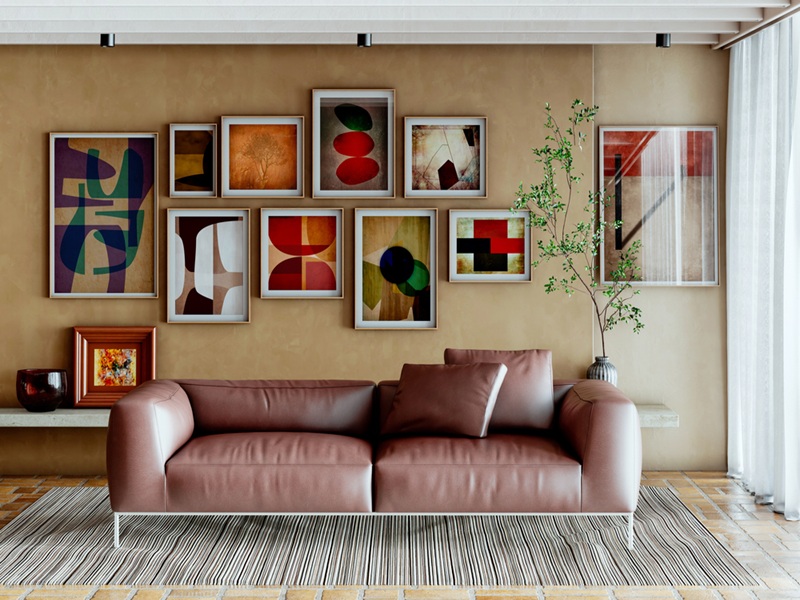
When art is not correctly positioned, arranged in the wrong way or not proportionate to the decor of the room, even a well-decorated interior may seem incomplete. Art installation adds the final layer of harmony to the room as it guarantees proper coordination of art with the architecture and furniture. The work of art may be placed in either a residential project or in the finishing of the interiors of one’s own home.
Creates Visual Balance Within the Room
Correct positioning enables artwork to integrate with the interior rather than fighting with it. The height, distance, and alignment all impact the comfort of the eye while moving around the room. Taking these aspects into account together allows artwork to contribute to the existing proportions provided by furniture, light fixture, and architecture.
Professional art hanging services can be particularly useful where several pieces, valuable works or difficult wall surfaces are involved. Precise measuring helps establish consistent sightlines, while careful positioning ensures that artwork feels centred within the broader composition of the room rather than simply centred on an empty wall.
Maintains the Right Sense of Proportion
Artwork that is positioned too high, too low, or too far away from surrounding furniture will detract from what could, otherwise, be a seamless look in any room. Correct placement helps to make the connection between the size of the artwork and the space it occupies more effectively.
For example, pictures hung above the sofa or the sideboard should typically match the furniture beneath to create a harmonious overall effect. In this regard, the position of the art is determined by factors such as the height of the ceiling, dimensions of the artwork, and proportions of the room, rather than relying on one specific measurement.
Improves Flow and Viewing Experience
The location of the artwork matters just as much as how it is displayed. In corridors, open workspaces, and bigger rooms, the artwork will be seen from different angles and distances. An appropriate location will enable you to factor in these movements and achieve a direct viewing experience.
You should also consider natural and artificial lighting, door openings and nearby architectural features. Planning the placement of the artwork in such a way to enhance the journey for the eye means that it fits seamlessly into the room rather than disrupts its overall picture.
Protects the Artwork and the Interior
Precision pertains not only to aesthetics. An appropriate installation plays an important role in ensuring that the structure holding the art and the art piece itself remains safe. Some art pieces, such as big frames and mirrors, may need specific hangers tailored to the material of the wall.
Being aware of load-bearing capabilities and using correct mounting equipment lessens the possibility of displacements, wall damage, and unintentional fall incidents. This is necessary especially when dealing with expensive artworks, bulky objects, and items situated above furniture and crowded sites.
Strengthens the Interior Design Concept
Artwork often carries some of the strongest colour, texture and personality within an interior. Precise installation allows these elements to support your design concept more effectively. A large abstract work positioned correctly above a console, for example, can reinforce the room’s scale, while smaller pieces grouped carefully can introduce rhythm without making the wall feel cluttered.
Placement also affects how colours and shapes interact with nearby finishes. By considering the relationship between the artwork, furniture and decorative elements, you can create stronger visual hierarchy, guiding attention naturally towards the room’s most important features.
Gives the Space a Finished Quality
The final impression of an interior often depends on small details. Straight frames, consistent spacing and carefully considered alignments may not immediately draw attention to themselves, but they contribute significantly to how polished the room feels.
When art is installed properly, it becomes part of the architecture and furniture that surround it. Rather than being seen as a different decorative element, it becomes a constituent of the full composition, allowing the interior to feel finished and well designed.
The Final Detail That Brings Everything Together
An accurate art installation complements an interior by linking artworks to natural dimensions or movement and the visual aspect of the room. By considering the position, alignment or viewing points and fixing each piece correctly, they fulfil their purpose better. The outcome will be a space looking balanced and where art is not just decoration but a relevant component of the interior design.