A Practical Moisture-Control Plan for Sheds and Workshops
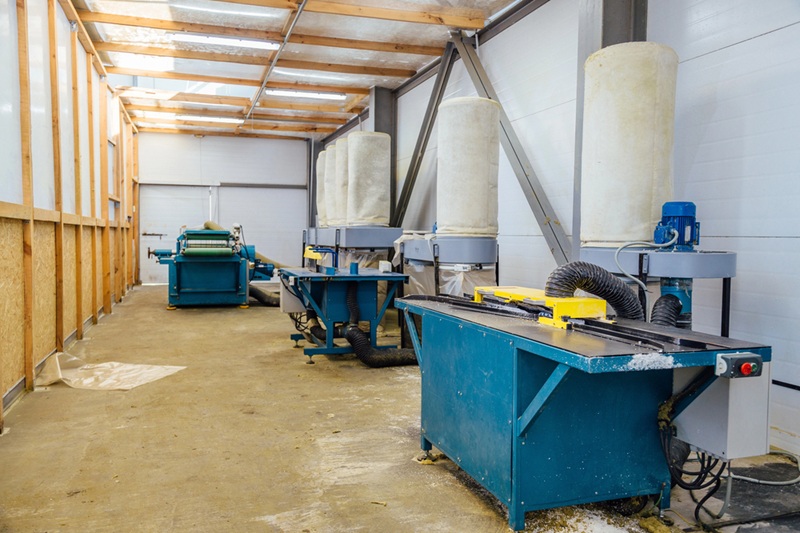
Sheds and workshops ask a lot of their building envelope. Roller doors open to humid air, cold tools develop condensation, wet vehicles arrive after rain and many spaces have limited insulation or ventilation. The first sign of a moisture problem may be surface rust, swollen timber, musty storage or water collecting on a slab.
A dehumidifier can help, but it works best as part of a plan that controls water entry, air leakage and internal moisture sources.
Find the water before buying equipment
Start after rain and early in the morning, when leaks and condensation are easier to see. Check roof laps, fasteners, gutters, downpipes, wall penetrations, door seals and the slab edge. Look for staining beneath stored items and behind cabinets.
Condensation is different from a roof leak, although the two can coexist. Warm humid air releases moisture when it meets a colder surface. Uninsulated metal roofing, tools and machinery can all become that surface. If the shed takes in moist outdoor air all day, drying the same air repeatedly will be inefficient.
Repair obvious defects first. Direct stormwater away from the slab, keep gutters clear and seal uncontrolled gaps where practical without blocking required ventilation or creating a hazardous atmosphere.
Measure instead of guessing
A basic thermo-hygrometer helps reveal how temperature and relative humidity change through the day. Place it away from direct sunlight and do not judge the whole workshop from a single moment. Compare conditions after doors have been closed, during wet weather and while moisture-producing work is underway.
Inspect vulnerable materials too. Timber, paper packaging, textiles and some stored chemicals can respond to prolonged dampness before water is visible. If the shed contains valuable stock or machinery, establish an acceptable range based on the items and manufacturer guidance rather than chasing one universal humidity number.
Control moisture at the source
Avoid parking a dripping vehicle in a closed workshop when it can drain or dry elsewhere. Store wet PPE separately, vent dryers and combustion appliances correctly, and cover open water containers. Use local extraction for processes that release vapour, fumes or dust.
Ventilation is useful when outdoor air is drier than indoor air and the activity is safe to ventilate. In humid or rainy conditions, leaving doors open may add moisture instead. A simple operating rule based on actual readings is more reliable than “always ventilate”.
Add dehumidification deliberately
Once water entry and major sources are controlled, commercial dehumidifiers can remove moisture from a reasonably enclosed space. Selection should consider workshop volume, temperature, incoming humidity, wet materials, operating range, power supply and drainage.
Capacity figures are tied to stated test conditions, so compare like with like. A machine will generally collect less water as the air becomes cooler or drier. That is normal and does not by itself indicate a fault.
Place the unit where air can reach its intake and discharge. Keep filters clear of grinding dust and sawdust, follow manufacturer clearances and arrange a secure condensate drain. If a hose crosses a path, protect it from damage and trips. Confirm that the electrical circuit can safely carry the dehumidifier alongside workshop tools.
Protect tools and stock while the space improves
Keep metal tools clean and dry, and use suitable protective coatings where recommended by the manufacturer. Lift cartons and timber off the slab with shelving that permits inspection and airflow. Avoid pushing absorbent stock tightly against an external wall.
Closed cabinets and toolboxes can develop their own microclimate. Dry items before storage, inspect them regularly and consider purpose-designed desiccants for small enclosures. A room dehumidifier cannot quickly correct moisture trapped inside sealed cases.
Review the trend
Record daily humidity, weather, condensate and any visible changes for the first weeks. If the machine runs continuously without improving conditions, look for an open door, hidden leak, saturated material, blocked airflow or a unit that is too small for the load.
The useful outcome is not simply a full condensate container. It is fewer condensation events, stable storage conditions and reduced corrosion or material movement. Once the shed is under control, adjust operating hours and set points so energy use matches the actual risk.
A dry workshop starts with the building and habits, then uses equipment to manage the remaining load. That sequence protects tools more reliably than placing a dehumidifier beside an unresolved leak.