Essential Services for Your New Steel Shed
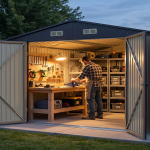
A new steel shed opens up a world of possibilities. It’s not just for storage; it can become a workshop, a home office, an art studio, or even a comfortable granny flat. To get the most out of it, you’ll need to connect essential services like electricity and water. This guide will walk you through the main things to think about for safely and effectively hooking up your new shed.
Connecting Electrical Supply Safely
Getting power to your shed is usually the first thing people think about. Whether you need it for power tools, lights, or a computer, a safe and reliable electrical connection is a must. This isn’t a job you should do yourself; you absolutely need to hire a licensed electrician to make sure all the work meets safety standards. They’ll typically run an armoured cable underground from your home’s main switchboard to a new sub-panel inside the shed.
This setup lets you have separate circuits for lighting and power outlets. For more details on the process, you can check out guides on shed electrical wiring. Always insist on having a safety switch (RCD) installed on all circuits to protect against electric shock.
Water Supply and Drainage Options
If you plan to use your shed as a workshop, a studio with a sink, or a small living space, you’ll need both water coming in and drainage going out. The most common way to do this is to connect to your home’s existing plumbing. A licensed plumber can run a water line to the shed, often in the same trench as the electrical cable to save on digging costs.
For drainage, your options depend on your property. You might be able to connect the shed’s drain pipes to your home’s sewer system. If that’s not possible, you might need to install a small septic tank or a soakaway pit for greywater from a sink or shower. Knowing how to add plumbing correctly is crucial to avoid expensive problems later on.
Choosing the Right Hot Water System
Adding a hot water supply really changes a shed from a basic structure into a truly useful space. It’s essential for a shower in a granny flat, cleaning up in a workshop, or washing brushes in an art studio. The type of system you pick will depend on what you need and how your shed is set up. For simple, occasional use, like just one sink, a small electric instantaneous unit is often enough and won’t break the bank. These heat water only when you need it, so you don’t waste energy keeping a tank hot.
If you need more hot water, say for a shower, you might want to look at a compact storage electric or gas system. When you’re looking at different hot water systems, it’s smart to talk to a plumbing professional. They can look at your specific needs and suggest the most efficient solution for your space.
Planning for Future Expansion
When you’re installing these services, think about what you might need in the future, not just right now. It’s much cheaper and easier to plan for growth now than to try and add things later. For example, ask your electrician to put in a larger sub-panel than you currently need and run extra conduit for future circuits. This makes it simple to add more power outlets or a dedicated circuit for a heavy-duty machine down the line.
Similarly, with plumbing, you could install capped-off pipes (called stub-outs) for a future bathroom or kitchenette. Even if you don’t need them today, having the basic setup in place will save you a lot of hassle and money in the years to come.
Regulatory Requirements and Permits
Before you or your tradespeople start any work, it’s really important to understand the local rules. All electrical and plumbing work has to follow the National Construction Code (NCC) and must be done by licensed professionals. Depending on how big your project is, you might need to submit plans and get a permit from your local council.
This is especially true if you’re turning the shed into a living space, like a granny flat. If you don’t get the right approvals, you could face fines, orders to remove the unapproved work, and potential issues with your insurance. Always check with your local council’s planning department before you begin any construction.
By carefully planning how you’ll get electricity and water to your shed, your new steel shed can become a valuable and flexible extension of your home. Taking the time to hire qualified professionals and meet all the regulations ensures your new space is safe, works well, and will last for years.