Electric Bikes for Weekend Adventures: What First-Time Riders Should Know
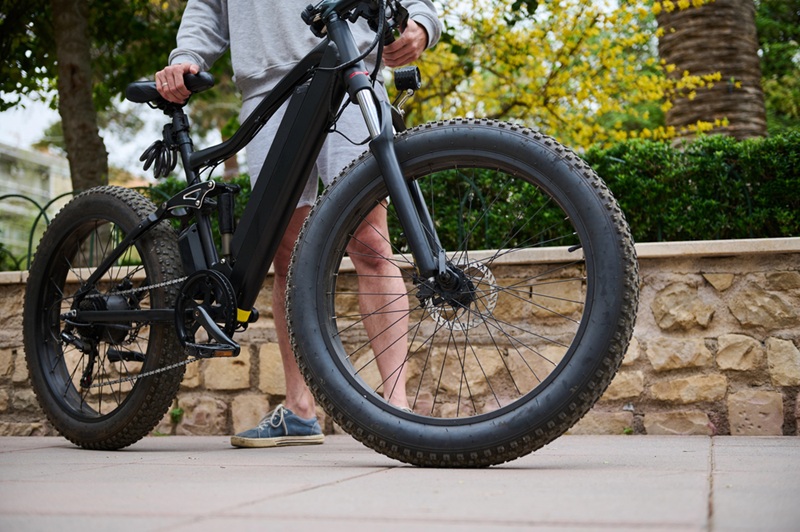
A weekend bike ride does not have to involve Lycra, racing speeds or an alarm set for five in the morning. For many people, the appeal is much simpler: get outside, find a quiet trail, stop somewhere for coffee and see a little more than you would on foot. Electric bikes have made that sort of casual exploring easier, particularly for riders who like the idea of a longer journey but are less enthusiastic about steep climbs or spending Sunday evening with exhausted legs.
For somebody considering their first recreational e-bike, visiting an electric bicycle store or browsing different styles online is only the beginning. The interesting questions come afterwards. What sort of paths do you actually want to ride? How far can the battery realistically take you? Are e-bikes allowed on the trail you have picked? And what should go into your bag when the nearest café is twenty kilometres behind you? A little preparation can make the difference between a relaxed day out and a very long walk home.
Choose the Ride Before You Choose the Bike
It is tempting to start with the bicycle itself. Big tyres look adventurous. Suspension looks useful. A large battery sounds reassuring.
Start with the weekend instead.
Where do you picture yourself riding? Perhaps it is a sealed coastal path with a lunch stop halfway. Maybe you have gravel rail trails nearby. Or you are more interested in forest tracks and purpose-built mountain bike trails.
Those are very different jobs for a bicycle.
For smooth paths and relaxed touring, you probably do not need aggressive off-road tyres or complicated suspension. A comfortable position and sensible range may matter far more. Gravel and rougher tracks bring grip, tyre width and control higher up the list. Proper mountain biking introduces another set of demands entirely. NSW National Parks, for example, lists cycling experiences ranging from relatively gentle rides to dedicated mountain bike routes for more experienced riders.
The lesson is fairly obvious once you think about it: buy for the places you will actually visit, not the most dramatic photograph you can imagine.
Your First Ride Should Probably Be Shorter Than You Think
Electric assistance creates confidence very quickly. The first hill is easier than expected. Ten kilometres pass. Then fifteen. This is exactly when a new rider can make the classic mistake: “We may as well keep going.”
Remember that you still have to come back.
For a first outing, choose a route that leaves plenty of margin for your fitness, battery and daylight. A 20-kilometre ride that ends with energy to spare is much more enjoyable than a 50-kilometre experiment that becomes uncomfortable halfway home. An out-and-back route makes the maths easy, but a loop can be more interesting. Either way, look at elevation as well as distance. Twenty kilometres beside a river is not the same ride as twenty kilometres through rolling hills.
Beginners also tend to stop more often than expected. There will be photos, wrong turns, water breaks and probably a café that looked too good to pass. That is part of the weekend, not wasted time.
Battery Range Changes Once You Leave the Product Page
The promised range of an e-bike can look wonderfully comforting when you are planning a trip from the sofa.
Real roads are less cooperative.
Hills require more assistance. Rough surfaces increase resistance. Strong wind can make the motor work harder. Rider weight, luggage, tyre pressure and the level of assistance selected all influence how far a charge will take you. So, if your bike is capable of an advertised maximum range that seems far beyond the planned ride, resist the urge to use every kilometre of it.
Keep a reserve.
Imagine you are 25 kilometres from the car and realise that the final quarter of the battery is disappearing faster than the first. That is not the moment to discover that the route home climbs steadily. New riders can stretch range by using lower assistance on easy sections and saving stronger settings for hills or difficult surfaces. You still get help, just not at full strength for the entire day.
And, naturally, start with a properly charged battery. It sounds too obvious to mention. People still forget.
Learn How the Bike Feels Before Heading Into the Bush
An e-bike is still a bicycle, but the extra weight changes a few things.
It may accelerate differently. Braking can feel different. Walking the bike over an obstacle may require more effort than expected. Tight turns at low speed can take a little practice.
Spend some time somewhere familiar before making your first adventure a remote trail.
Try each assistance level. Practise starting on a gentle slope. Brake firmly in a safe area so you understand how much stopping distance you need. Ride slowly through a few turns. Most importantly, see what happens when you reduce the assistance. If the battery runs low, you will still want to know that you can move the bike under your own effort. It will usually feel heavier than a conventional bicycle, but discovering that five minutes from home is better than discovering it thirty kilometres away. A short neighbourhood ride may not feel adventurous. Think of it as avoiding a future adventure of the unwanted kind.
Check Whether E-Bikes Are Actually Allowed
A trail being open to bicycles does not always mean every electric bike can use it.
Rules vary by location, land manager and type of trail. In NSW national parks, cycling routes and mountain bike trails may have park-specific conditions, and riders are expected to follow trail signs and local restrictions. Parks Victoria similarly notes that e-bike access can depend on the trail and applicable standards; some areas specifically restrict electric bikes on certain management paths.
Do not rely on an old forum post from someone who rode there three years ago.
Check the park or trail manager’s current information before leaving home. The bicycle itself also needs to comply with relevant Australian requirements. The Australian Government explains that an e-bike may be treated as a bicycle only where it remains within applicable design and performance limits; vehicles outside those limits may fall into another regulatory category. Road-use rules can vary between jurisdictions too, so check the rules in your own state or territory.
Tyres Matter More Once the Surface Gets Loose
Smooth urban asphalt is forgiving. Loose gravel is less so.
A tyre suited to the terrain can make the bike feel far more predictable. That does not mean a first-time rider should immediately choose the widest, most heavily treaded tyres available. For sealed paths, excessively aggressive tread may simply add resistance. Gravel generally benefits from more width and grip. Proper off-road trails may call for tyres designed specifically for loose surfaces and rough terrain.
Tyre pressure matters as well.
Too much pressure can make a rough trail uncomfortable and reduce grip. Too little can increase rolling resistance and create other problems. Follow the tyre and bike manufacturer’s recommendations rather than guessing. Check pressures before leaving home. Also inspect the tyres for cuts, embedded debris or anything else that looks suspicious.
A puncture beside a café is irritating.
A puncture halfway along an isolated trail is considerably more educational.
Pack for Small Problems
You do not need to turn a half-day ride into an expedition.
Still, carrying nothing beyond a phone is optimistic. A basic weekend kit might include water, a small snack, tyre levers, a spare tube or suitable puncture repair method, a compact pump and a multitool. Sunscreen deserves a place in an Australian riding bag too.
Bring any medication you may need and enough water for the conditions rather than assuming there will be a tap along the route. A power bank for your phone can be useful on longer outings, especially when navigation is running for several hours. It will not charge your bike in any meaningful way, obviously, but it may keep your map alive. For more remote rides, tell somebody where you are going and roughly when you expect to return. Mobile reception should not be treated as guaranteed simply because the trail begins near a town. The further you travel from busy areas, the less amusing a minor mechanical problem becomes.
Do Not Let Electric Assistance Set the Pace for You
The motor makes riding easier. That does not mean every ride needs to become faster.
One of the pleasures of a weekend e-bike trip is being able to cover more ground without turning the day into a race. Use the assistance to flatten out the difficult parts, not to rush through everything else. This is particularly important on shared paths. Walkers, children, dogs and slower cyclists may be around the next corner. A speed that feels perfectly comfortable from the saddle can feel quite different to somebody you pass at close range.
Slow down when visibility is poor. Give other trail users space. Use a bell where appropriate and avoid arriving silently behind someone at speed.
On loose surfaces, moderate speed also gives a new rider more time to read the terrain. A patch of gravel that an experienced cyclist barely notices can feel surprisingly lively the first time your front wheel moves across it.
Hills Are Easier, but Descents Still Need Respect
Electric assistance is wonderful on climbs.
Unfortunately, gravity provides assistance on the way down free of charge. A heavy e-bike can gather speed quickly. New riders who felt completely comfortable climbing a hill sometimes discover that descending it requires more confidence. Keep a sensible speed, especially on unfamiliar roads or trails. Brake before a tight corner rather than waiting until you are already turning. Leave extra space when surfaces are wet or loose. Avoid continuously dragging the brakes down a long descent if the bicycle’s instructions advise against it, and make sure your braking system is in good condition before a hilly ride. NSW Government guidance recommends choosing and maintaining appropriate safety equipment and warns against modifying e-bike components in ways that could compromise safety.
A scenic lookout is much more enjoyable when you arrive there under control.
Weather Can Rewrite Your Route
Weekend plans often begin several days before the ride. Weather has no obligation to cooperate.
Heat changes how much water you need. Rain can make an otherwise simple gravel route muddy or slippery. Strong winds can noticeably increase battery use, particularly on exposed paths. Check the forecast on the morning of the ride, not only when making plans earlier in the week. Trail conditions matter too. Some mountain bike networks close routes after heavy rain to prevent damage. A road or park can also be affected by fire danger, flooding or maintenance. If the official trail page says a section is closed, treat it as closed.
There will be another weekend.
That sounds disappointingly sensible, but turning around is an underrated outdoor skill.
Plan the Stop That Makes the Ride Worth Remembering
Not everything has to be about safety and battery percentages.
Choose somewhere you actually want to reach. A beach. A lookout. A country bakery. A picnic area beside a river. The old railway station twenty kilometres down a rail trail. Having a destination changes the feel of the ride. Instead of watching the kilometre counter, you are going somewhere. Electric bikes are particularly good at this kind of day because they extend the comfortable radius around your starting point. Places that may seem a little too far away on foot or slightly too demanding on a normal bicycle can become reasonable weekend destinations. Parks Victoria, for instance, highlights e-bike and cycling opportunities ranging from Point Nepean to longer regional trails and park routes. NSW National Parks also lists dedicated cycling and e-bike experiences in several park areas.
You do not need to conquer anything.
Ride somewhere good, have lunch and come home.
The First Adventure Is Mostly About Learning
Your first few e-bike trips will probably teach you things that no buying guide could.
You may discover that you hardly use the highest assistance setting. Or that your hands get uncomfortable before your legs do. Perhaps 30 kilometres feels easy, while 45 is just a little too much. You might realise that you need panniers, a better water bottle holder or absolutely nothing extra at all.
That is normal.
Weekend riding becomes easier once you understand your own range as well as the battery’s. Start conservatively, learn how the bike handles and check local trail rules before travelling somewhere unfamiliar. Carry enough equipment to deal with simple problems and leave some battery capacity in reserve.
After that, the complicated part largely disappears. Pick somewhere interesting on the map. Charge the battery. Check the tyres. Then go and see what is there.