How Proper Ventilation Keeps Your Shed in Good Shape

If you use your backyard shed for storage, a workshop, or a place to work on hobbies, you’ll quickly notice how uncomfortable it can get during an Australian summer. Heat builds up fast, and without enough airflow, moisture has nowhere to go. That can leave your shed smelling musty and create the right conditions for mould, rust, and damage to what you store inside.
Fortunately, a few well-placed vents can help hot air escape, keeping the space drier and more comfortable. Before choosing the right ventilation option, it helps to understand how air naturally moves through a shed.
Understanding Airflow Dynamics
Shed ventilation works on a simple principle: hot air rises. This natural process, called the convection or stack effect, is your greatest ally in creating a cooler, drier shed. As the sun beats down, the air inside your shed heats up, becomes less dense, and rises towards the roof. If there’s an escape route up high, this hot air will exit, creating a slight vacuum that pulls cooler, denser air in through lower openings.
Understanding these basics of essential shed ventilation is the first step towards a more functional space. By strategically placing vents, you can harness this natural cycle to create continuous airflow. The key is to provide both an inlet for cool air near the floor and an outlet for hot air near the ceiling. This creates a constant, passive air exchange that works silently to reduce temperature and humidity without using any electricity.
Common Ventilation Challenges
When air can’t circulate, a host of problems quickly follow. The most common issue is condensation. As the shed cools overnight, moisture in the trapped warm air condenses on the colder surfaces of the roof, walls, and your stored items. This persistent dampness is a breeding ground for mould and mildew, which can ruin timber, fabrics, and cardboard boxes, not to mention pose health risks.
Metal tools, bikes, and equipment are also at risk. Constant exposure to high humidity will inevitably lead to rust, shortening the lifespan of your valuable gear. Beyond moisture, a sealed shed can trap fumes from stored petrol, paints, solvents, and fertilisers. In summer heat, these fumes can concentrate to hazardous levels, creating an unsafe environment. Keeping your outdoor shed in good shape means actively preventing issues before they start.
Passive Ventilation Techniques
For most storage sheds, passive ventilation is an effective and affordable solution. These methods require no power and keep air moving around the clock. The goal is to create a high-to-low air-exchange pathway.
Here are some common options:
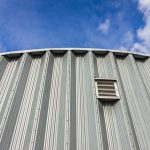
- Gable Vents: Installed at the top of the shed’s gable ends, these provide an excellent exit point for rising hot air.
- Ridge Vents: A vent running along the peak of the roof is one of the most effective ways to let hot air escape.
- Whirlybirds (Turbine Vents): These iconic roof-mounted vents use wind to actively draw hot air out of the shed, significantly boosting airflow.
- Soffit or Eave Vents: Placed under the eaves, these are ideal low-level vents for drawing in cooler air from the shaded area beneath the roof overhang.
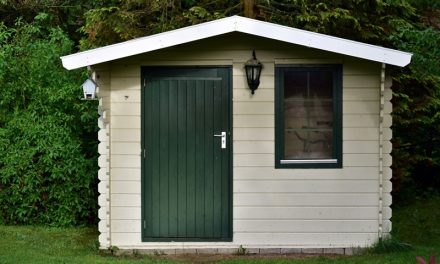
- Windows and Doors: The simplest solution of all. If your shed has windows, opening them on opposite sides of the structure can create a cross-breeze.
A combination is often best. For example, pairing two gable vents with lower wall vents, or a whirlybird with soffit vents, will create a strong, consistent airflow pattern.
When Active Cooling is Best
Passive ventilation is great for storage, but it has its limits. If you use your shed as a workshop, home gym, art studio, or office, passive methods may not be enough to keep the space comfortable on a hot summer arvo. When you’re spending significant time in the shed, you need a more powerful solution to manage the temperature.
This is where active cooling comes in. While a simple pedestal fan can help, the most effective way to create a truly comfortable and productive environment is with a dedicated cooling system. A small split-system air conditioning unit can transform a stuffy workshop into a year-round usable space and give you complete control over the temperature. It’s a worthwhile investment if you want to get the most out of your backyard structure, turning it from a simple shed into a functional extension of your home.
Maintaining Your Air Quality
Once your ventilation is installed, a little bit of maintenance goes a long way. At least once or twice a year, take the time to inspect all your vents. Clear away any spiderwebs, leaves, nests, or other debris that could be blocking airflow. If your vents have mesh screens to keep pests out, clean them well with a stiff brush. For whirlybirds, ensure they spin freely and haven’t seized up. If you have windows, check that the hinges and locks are working properly so you can open them easily when needed. This simple check-up helps your system keep working efficiently, protecting your shed and its contents.
A well-ventilated shed is more useful, durable, and pleasant. Taking a few small steps to improve airflow can protect your belongings from damage and make your shed a far more inviting place to be.