What are the Installation Basics for Limestone Outdoor tiles?
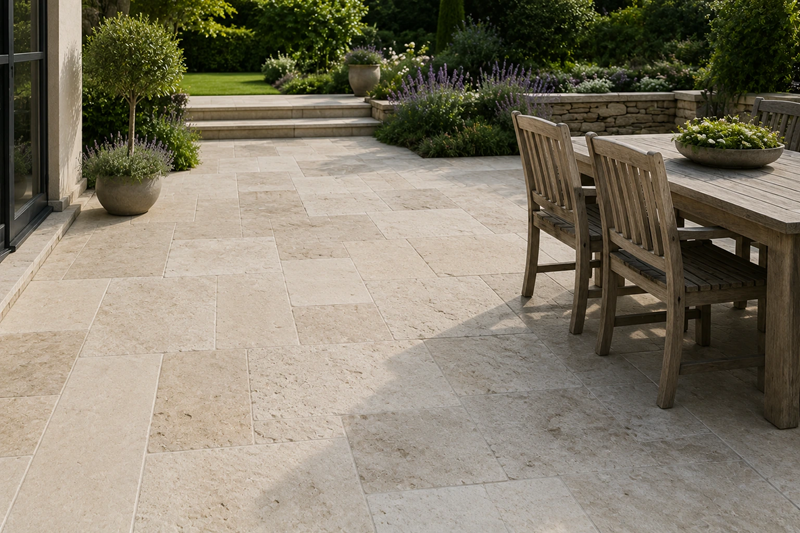
Outdoor flooring is not just about appearance. It also needs to withstand changing weather conditions, moisture, foot traffic and daily wear. That is why understanding the installation basics is essential before starting your project.
Working with a reliable Limestone flooring tiles supplier ensures you get quality material, but proper installation plays an important role in the final outcome.
Working with a reliable Limestone flooring tiles supplier ensures you get quality material, but proper installation plays an equally important role in the final outcome. The beauty of well-installed limestone tiles is that they last for decades while maintaining their elegance.
If you are planning to upgrade your patio, garden pathway or courtyard anytime soon, then these installation basics you should know.
Basics #1
Prepare a Strong and Stable Base
The foundation of any outdoor tile installation begins below the surface. A weak base can lead to tiles shifting, cracking or becoming uneven over time.
Before installing tiles, ensure that the ground is properly excavated and compacted. A solid base layer, usually made of crushed rock or concrete, helps the weight to be distributed evenly and prevents movement. This step is important in outdoor areas where the surface undergoes foot traffic and weather exposure. A proper base ensures the flooring remains stable and durable for years.
Basics #2
Ensure Proper Drainage
Water management is one of the most important parts of outdoor tile installation. Without proper drainage, rainwater can collect on the surface or seep underneath the tiles.
This may lead to stubborn stains, algae growth or tile movement over time. To prevent this, installers create a slight slope that allows water to drain away from the surface. When the drainage is planned well, Limestone outdoor tiles remain durable and attractive for many years.
Basics #3
Use the Right Adhesive and Installation Method
Natural stone requires special adhesive and installation techniques. Using the wrong adhesive may cause tiles to loosen or fail over time.
The installation of limestone usually uses a strong mortar or thin-set adhesive designed specifically for natural stone. This ensures the tiles bond properly with the base layer remains securely in place. The professional installer spread the adhesive evenly to avoid the hollow spaces beneath the tiles.
Basics #4
Maintain Consistent Tile Spacing
Spacing between tiles is important for both appearance and functionality. Consistent gaps allow for proper grouting and help the tiles to adjust according to the temperature changes. Tile spacers are typically used for installation to maintain uniform gaps between the tiles. This helps to create balance and lay the stones neatly.
Basics #5
Apply Proper Grouting
Once the tiles are placed and secured, grouting fills the joints between the tiles. This step helps in stablise the surface and preventing dirt and moisture from entering the gaps. Ensure to use the good quality grout for outdoor areas that are weather resistant to handle the rain, temperature changes and regular foot traffic. This also enhances the appearance of the flooring.
Basics #6
Seal The Limestone Tiles
Limestone is a natural stone and porous in nature; sealing is an essential step after installation. A high-quality sealant protects the tiles from moisture, stains and everyday wear. Sealing also preserves the natural colour of the stone.
Tools and Materials Needed for DIY Installation
If you are planning to install the tiles for yourself, having the right tools and materials is essential in a smooth installation process. So, along with proper knowledge of laying stone, it is essential to know the right tools.
Here are some basic tools and materials you may need:
- Limestone tiles
- Crushed rock or concrete base material for base
- Tile adhesive or mortar suitable for natural stone
- Tile spacers
- Grout for outdoor use
- Sealant for limestone
- Rubber mallet
- Tile cutter or wet saw
- Spirit level
- Measuring tape
- Bucket and mixing tools
Regular Maintenance
Although Limestone is durable, it benefits from regular maintenance. Gentle cleaning and resealing whenever needed maintains the beauty of the stone for years. Make sure to avoid the use of harsh chemicals or acidic cleaners, as they can damage the surface of the stone. Simple cleaning with mild cleaners is recommended.
Conclusion
Installing Limestone outdoors requires careful preparation and the right techniques. From building a stable base to ensure proper drainage and sealing the surface. Every step plays a major role in the overall durability of the flooring.
All these basics of flooring installation are non-negotiable. By choosing the right Limestone tool supplier, you get the peace of mind that you have invested your money in the right place. Also, following the right process ensures long-lasting results.