The Biggest Mistakes People Make When Building a New Home
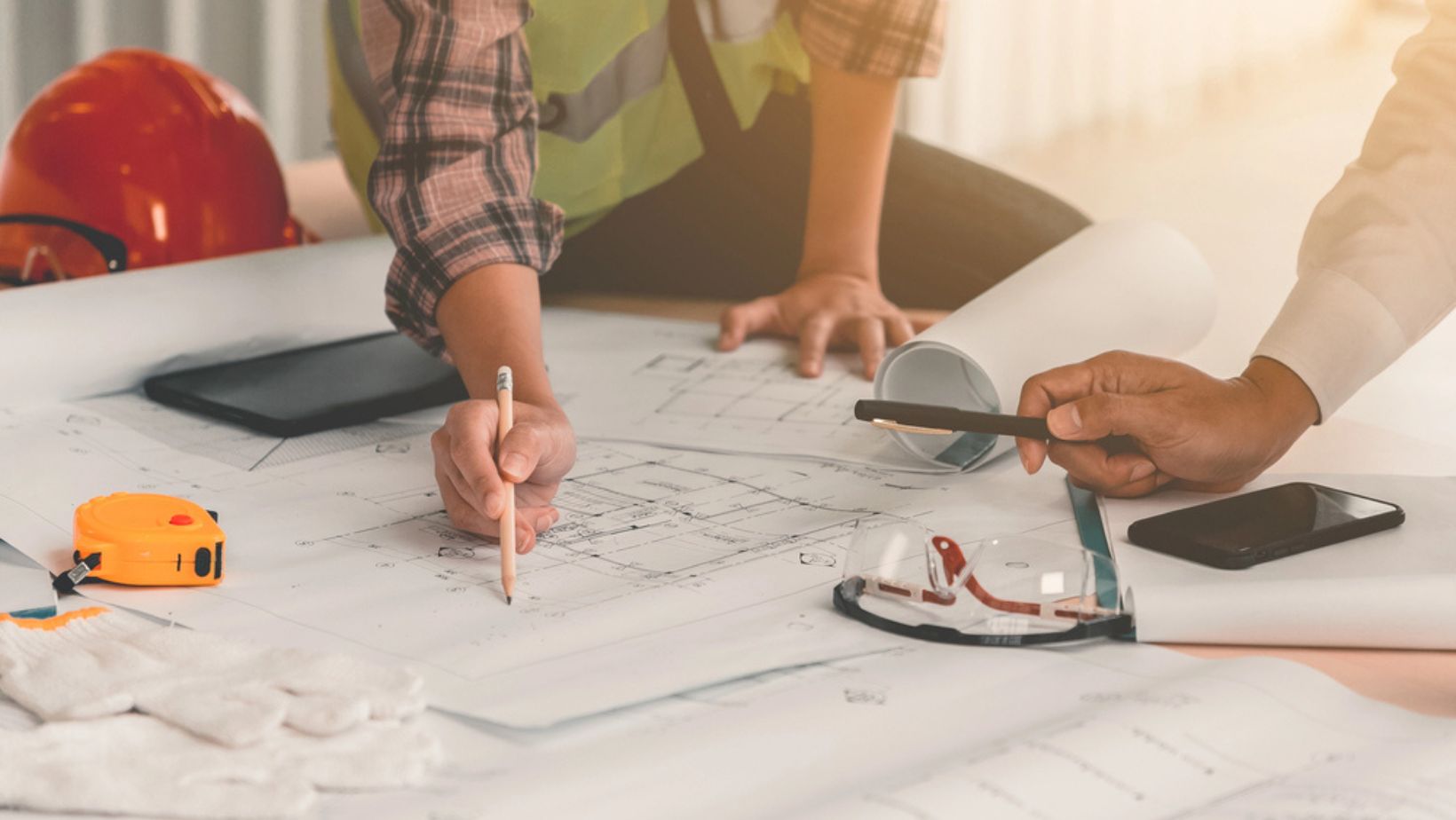
You’ll find plenty of advice on what to do when you search for tips on building a house, but understanding what not to do is just as important. Even small mistakes can turn into major frustrations and unexpected costs quickly. Inadequate planning leads to delays and increased costs, and poor decisions during construction can haunt you for years.
In this piece, I’ll walk you through the most common pitfalls people encounter when building a new home. You’ll learn about vital planning errors and design missteps that are easy to overlook. Whether you’re working with luxury builders Brisbane or a local volume builder, having the best tips on building a house will help you avoid costly errors and create a home you’ll love for years.
Planning and preparation mistakes
Starting without proper research
Most people don’t spend enough time researching before they commit to building. You can walk through display homes with a tape measure, read reviews of builders and speak to past clients. This provides insight into construction quality and reliability. A builder’s track record reveals whether they complete projects on time, adhere to building standards and maintain good workmanship.
Feasibility studies assess whether your project sits within budget restraints. They identify costs that often catch homeowners off-guard. Application fees for building approval, council rates, soil tests, driveways, service connections and site costs for sloping blocks all add up. You need to understand these expenses before you start. This prevents budget shocks later.
Rushing into design decisions
Many clients feel pressured when asked to lock things in. The reality is that decisions made at the start aren’t about speed. They’re about sequencing. The project doesn’t pause when decisions are deferred. It continues with assumptions filling the gaps, which often surface later as redesigns, delays and unexpected cost adjustments. Options narrow and difficult compromises follow.
Changes are most manageable before work begins. Decisions made on paper are nowhere near as disruptive as decisions made on site. Documentation becomes more accurate when the core decisions are addressed at the start. Expectations are clearer and the build itself becomes calmer and more predictable.
Ignoring your actual budget
Builds can exceed estimated costs by 10 to 20 per cent due to market changes in labour and construction materials. Surprise issues like poor soil quality or resource shortages raise costs further. You’ll face financial strain when unexpected expenses arise if you don’t have a contingency fund.
Allocate around 10 to 15 per cent of your budget for unforeseen costs. This cushion covers sudden material price hikes or additional work needed on-site. Be transparent with your builder about what you can afford. Understand what’s included in the base price versus PC sums and provisional allowances.
Not understanding site conditions
Soil testing is a legislative requirement for all new residential construction in Australia. Site classification determines foundation design. Reactive soils or poor ground conditions can require deeper piers, additional reinforcement or specialised slabs. A tricky block can cost tens of thousands of dollars more to build on.
You can’t determine what will be involved in establishing foundations before you carry out a site investigation. Skip this step and you’re guessing. This creates hidden costs and structural issues down the line.
Skipping professional advice at the start
You should engage architects, builders and designers from the beginning. This helps you avoid common pitfalls and make informed decisions. Professionals foresee issues you might not think of. They provide guidance on optimising layouts and designs. Their expertise is cheaper than correction later.
Design and layout errors
Poor room placement and flow
Room arrangement matters as much as how people move through a house. Common traffic flow problems include the main entrance opening directly into the living room with no buffer, the bathroom being visible from the dining table, and furniture blocking natural walking paths. These problems create daily frustrations that compound over time.
Work aisles in kitchens need at least 1,050 mm of width, while general walkways require a minimum of 900 mm. Simple tasks become awkward when furniture blocks doorways or creates bottlenecks. Poor door positioning also affects room function. A bedroom door placed in the middle of a wall compromises usable space and reduces the room’s functionality.
Neglecting natural light and ventilation
Dark rooms require more artificial lighting, cost more to heat, and feel less comfortable. Many homeowners place windows based on what looks balanced from the outside rather than what brings the best light inside. Rooms where you spend the most time during the day should receive the most natural light.
North-facing windows with appropriate sun shading provide the best natural light and offer warmth in winter while blocking excessive heat in summer. Clerestory windows capture and disperse light throughout the home. Bedrooms must have windows equal to at least 10 per cent of the floor area to provide light and 5 per cent to provide ventilation, as required under the National Construction Code.
Creating too many or too few rooms
Packing too many rooms into your floor plan often results in wasted space and maintenance costs. Having spaces that adapt to changing needs provides better long-term value. Young children can share rooms, but teenagers need their own space. Multi-functional rooms that serve as home offices or guest rooms are a great way to get flexibility as circumstances change.
Forgetting about storage needs
Insufficient storage drives clutter into every room and makes even well-laid-out homes feel chaotic. Plan storage into every room from the start, not as an afterthought. Built-in shelving, under-stair compartments and walk-in pantries all contribute to an organised home. Storage to hold utility items like ironing boards and vacuum cleaners, linen cupboards to store bedding, and pantries with deep drawers to store small appliances prevent visual clutter.
Material and construction oversights
Choosing cheap over quality materials
Cheap materials often mean low-grade products that meet bare minimum standards. They seem like bargains upfront, but they wear fast and require repeat spending. Short lifespans create hidden costs when items fail and affect adjacent materials or finishes. You end up paying for fixes you didn’t plan for. Quality materials last through the project with less waste from damaged pieces. Australia has seen incidents with glass balconies shattering and flammable cladding causing evacuations. Cheap materials that don’t meet environmental conditions or safety standards pose risks that extend well beyond budget concerns.
Making changes during construction
Change orders are inevitable, but they often increase project costs. Additional materials, labour, equipment or extended timeframes escalate overhead. Understanding triggers, authorisation processes and documentation prevents disagreements. Re-assess your budget and timeline after each change, then communicate updates to all stakeholders.
Not scheduling regular site inspections
Stage inspections uncover human errors that could prove disastrous years later. Small mistakes in the original construction stages get corrected before they become expensive problems. Inspections ensure contract terms are fulfilled, defects aren’t concealed and compliance issues are caught early. This saves costs compared to corrections after completion.
Delaying key selections and finishes
Practical considerations matter when choosing fixtures and finishes. Flooring needs durability and easy cleaning for family homes. Stone-look tiles or terrazzo patterns hide dirt better than uniform patterns. Engineered stone or porcelain benchtops resist stains in kitchens, while natural marble can discolour from wine or lemon juice. Delaying these decisions creates assumptions that surface as redesigns and cost adjustments.
Attempting DIY on critical tasks
You cannot DIY waterproofing or electrical work in Australia. It’s illegal and voids insurance. Specialised work like roofing, structural alterations and high-risk construction tasks require licenced professionals with proper tools, skills and experience. Attempting DIY projects beyond your capability creates costly mistakes that professionals must later correct.
Future-focused mistakes people overlook
Building only for today’s needs
Universal design means designing a house to meet changing needs across an occupant’s lifetime. This includes people with disabilities, ageing Australians, temporary injuries and families with young children. Doorways of at least 900 mm wide provide easier access for mobility aids like walkers and wheelchairs. Flexible room uses and single-level living create homes that adapt rather than constrain. Having core amenities on the entry level makes this possible.
Ignoring energy efficiency features
New homes must meet a minimum seven-star NatHERS rating. Provisions for solar panels require roofs orientated the right way and sufficient capacity in the electrical switchboard, even if panels aren’t installed straight away. Double-glazed windows and insulation reduce heating and cooling needs significantly. Incorporating these features during original construction costs far less than retrofitting them later.
Not thinking about resale value
Quality materials matter. Homes with more than two bedrooms attract families and create a wider pool of buyers. Neutral colours help buyers imagine their belongings in the space. Double-glazed windows and hardwearing flooring like timber drive up resale value. Eco-friendly features including solar panels do the same.
Forgetting small but vital details
Electrical outlets near furniture and pantry outlets get overlooked during design. The same goes for electronic charging stations. Window treatments provide privacy and insulation. Outdoor water taps and house numbers visible from the street affect daily function, as do lighting fixtures. These smaller elements have a real impact on how comfortable your home feels once complete.
Conclusion
Building a home involves countless decisions, and mistakes in any category can get costly. What I’ve outlined here shows that most pitfalls are preventable with proper planning and professional guidance. You’ll save both time and money by addressing these issues before construction begins rather than fixing them afterwards. Use this knowledge to make informed choices, plan for your future needs, and create a home that serves you well for decades to come.