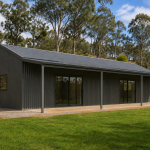
The Multi-Functional Backyard and Structuring Comfort in Modern Australian Extensions
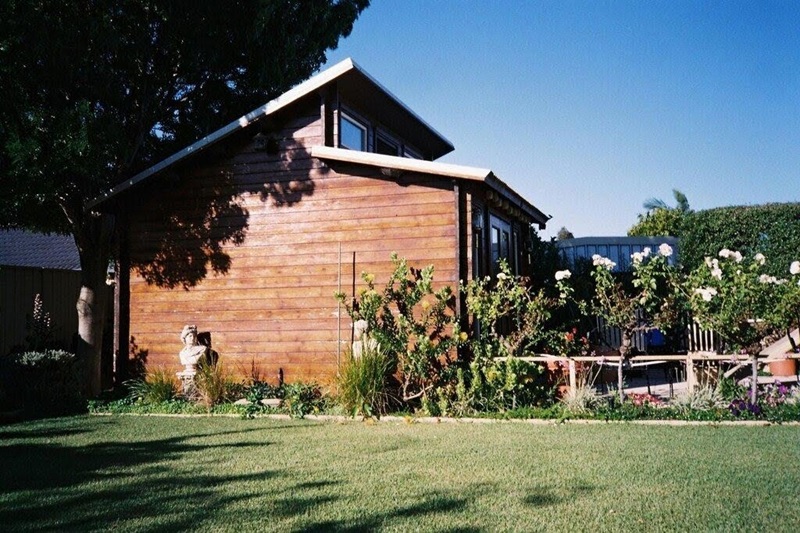
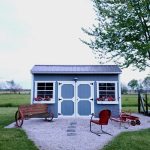
The traditional Australian backyard has undergone a significant conceptual shift. Long gone are the days when a residential plot was defined solely by a patch of lawn and a basic storage shed tucked away in the back corner. Today, homeowners across the Hills District – where generous block sizes still allow for substantial structural footprints – are viewing their outdoor spaces as prime real estate for lifestyle expansion.
The rise of the detached home office, the dedicated creative studio, the high-end workshop, and the fully equipped pool house or granny flat has redefined our relationship with our properties. We are expanding outward to create secondary zones that isolate the noise and stress of daily life from our main living environments.
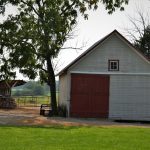
However, constructing a freestanding backyard structure in an inland region like Castle Hill brings a distinct set of environmental realities. Unlike the main house, which is often protected by mature trees, shared suburban boundaries, and complex multi-layered construction, a backyard extension is frequently exposed on all four sides to the elements.
Without a deliberate, proactive climate strategy, these beautiful timber or steel pavilions can quickly transform into uninhabitable thermal boxes = freezing during the crisp inland winter nights and utterly stifling during the intense, forty-degree summer afternoons characteristic of Western Sydney. Future-proofing these architectural additions requires a deep understanding of structural insulation, passive thermal control, and precise climate engineering.
The Hidden Thermal Dynamics of Detached Structures
When designing a backyard studio or workshop, many homeowners mistake standard construction for climate resilience. Freestanding buildings interact with daylight and ambient air temperatures far more aggressively than a main residence.
The Metal Envelope Challenge
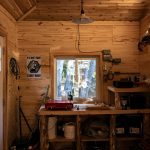
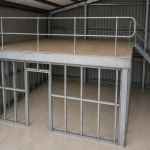
For those erecting premium steel sheds or custom workshops, the building material itself dictates the indoor climate. Metal is a highly efficient conductor of heat. During a typical Sydney summer, radiant energy hitting a steel roof passes directly into the internal space within minutes, creating a radiant heat load that can easily exceed the outdoor ambient temperature. Conversely, during winter, thin walls allow internal warmth to escape instantly, making the space feel like an icebox.
Glazing Walls and Light Integration
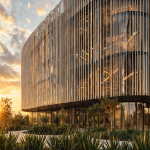
Modern detached home offices often prioritise massive glass facades, sliding doors, and skylights to maximise natural light and create a visual connection to the garden. While architecturally stunning, unshaded glass behaves like a greenhouse, trapping infrared radiation inside the structure. If the spatial layout doesn’t account for this solar heat gain from the outset, the space will require an immense amount of cooling energy to remain functional during the peak hours of a working day.
Setting the Passive Foundation Through Insulation and Ventilation
Before introducing mechanical climate systems, the structural shell of your backyard extension must be optimised to resist thermal transfers. True comfort begins with a high-performance building envelope.
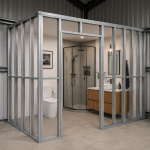
- High-Density Insulation Barriers: Standard foil sarking is rarely enough for a freestanding studio or workshop. Incorporating high-density thermal batts into both the wall cavities and the ceiling spaces is an absolute necessity. For steel structures, adding a thermal break between the metal framing and the internal lining prevents heat from transferring directly into the room.
- Vapour Barriers and Condensation Management: Because backyard structures often experience long periods of vacancy followed by sudden usage, they are highly susceptible to internal condensation. Implementing high-quality vapour-permeable membranes within the wall construction allows the building to “breathe,” preventing moisture from trapping inside the frame and leading to hidden mould growth.
- Passive Air Circulation: Incorporating adjustable louvres, ridge vents, or whirlybirds into the roof design allows hot air to escape naturally from the ceiling void during summer, significantly lowering the baseline temperature of the space before any mechanical cooling is even activated.
Integrating Dedicated Climate Infrastructure
Once the structural insulation is secured, a precise, high-efficiency mechanical system is required to handle the remaining temperature fluctuations. Because backyard extensions vary wildly in their layout and purpose, the mechanical strategy must be highly tailored.
For homeowners investing significant capital into these detached sanctuaries, ensuring the climate system is engineered specifically for a standalone structure is essential. When it comes to achieving reliable comfort, arranging a professional aircon installation for your Hills District property is a critical step in transforming a backyard shell into a fully liveable, year-round workspace.
Inverter Split Systems: The Ideal Studio Companion
For the vast majority of backyard offices and creative studios, a wall-mounted or floor-mounted split system represents the most efficient solution. Modern units feature highly sophisticated inverter technology. Instead of running at maximum capacity and then shutting off entirely – a cycle that creates erratic temperature swings and heavy energy spikes – inverter systems constantly modulate their output to maintain a perfectly level internal climate. This quiet, continuous operation is ideal for professional home offices where background noise must be kept to an absolute minimum during video conferences.
Multi-Head Systems for Complex Extensions
If your backyard addition features a multi-room layout – such as a granny flat with a separate living area and bedroom, or a large workshop with an attached home gym – a multi-head split system offers incredible flexibility. This setup connects multiple indoor units to a single, discreet outdoor compressor, allowing you to independently control the temperature of each room based on usage, saving valuable outdoor space and reducing energy consumption.
Protecting Assets and Fine Machinery
For many enthusiasts and professionals, a backyard workshop or studio houses a substantial financial investment in tools, electronics, materials, or art supplies. Maintaining a stable internal environment is paramount to protecting these assets from degradation.
- Humidity and Rust Prevention: High relative humidity is the ultimate enemy of fine woodworking tools, precision machinery, and delicate electronic components. Left unmanaged in a damp backyard shed, moisture will rapidly cause rust to form on bare metal surfaces. Utilising the dedicated “Dry” or dehumidification cycle on your climate system wrings excess moisture from the air, maintaining a safe, dry environment that preserves your equipment.
- Material Stability: Exotic timber blanks, high-end paints, adhesives, and canvas materials are highly sensitive to wild temperature swings. Extreme heat can cause adhesives to fail and paints to separate, while fluctuating temperatures can cause timber to swell and contract prematurely. A consistent, climate-controlled baseline ensures your raw materials remain stable and ready for use.
Maximising Capital Value and Property Appeal
A professionally executed, fully climate-controlled backyard extension does more than just expand your immediate living space; it acts as a powerful lever for long-term property valuation.
Modern real estate buyers in the Hills District heavily prioritise flexible living arrangements. A property that features a freestanding studio that is completely insulated, structurally sound, and fully climate-conditioned holds a massive competitive advantage over homes with basic, unconditioned outbuildings. It represents a genuine, turn-key secondary dwelling or executive home office that adds tangible square-meter value to the overall estate appraisal.
The Ultimate Backyard Retreat
Transforming a simple backyard extension into a high-functioning, climate-resilient sanctuary requires moving past basic construction standards. By marrying passive structural defenses like high-density insulation, vapour barriers, and strategic shading with a professionally installed, energy-efficient mechanical system, you create a space that effortlessly resists the harsh Western Sydney elements. Investing a little extra thought into the climate framework of your detached retreat ensures it remains a comfortable, productive, and valuable asset for your family across every season of the year.