Converting an Old Garage into a Shed or Workspace
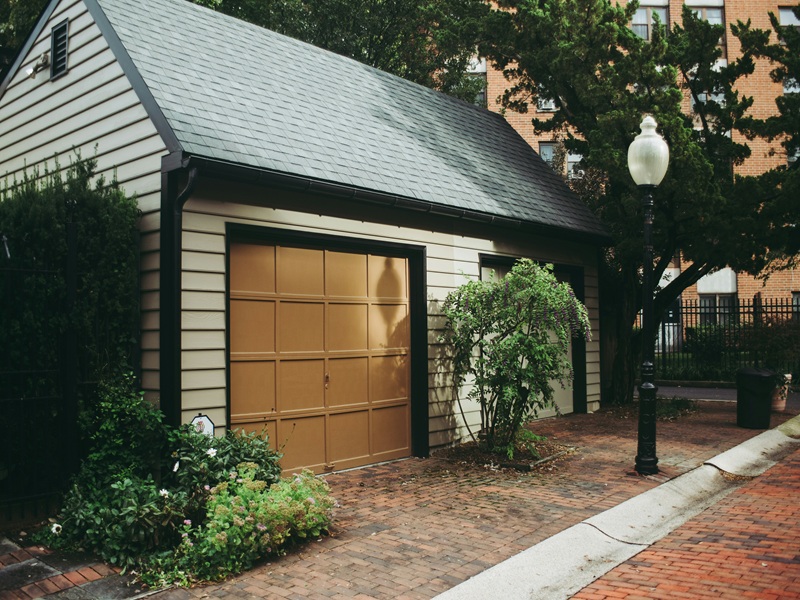
That dusty old garage at the back of your place? It’s more than just a home for spiders and forgotten junk. Think of it as a blank canvas, just waiting for a glow-up. With a bit of imagination and some good old-fashioned elbow grease, you can turn that neglected space into a functional workshop, a creative studio, or even the ultimate backyard shed you’ve always dreamed of. Giving an existing structure a new purpose is usually way cheaper and simpler than building something from scratch. You get a valuable new area without all the hassle of a big construction project.
Why Repurpose Your Old Garage?
The biggest win when you convert a garage is all that extra usable space you suddenly get. Instead of being a catch-all for things you’ll “get to later,” it can become your dedicated spot for hobbies, a home-based business, or just really organised storage. If you’re into woodworking, gardening, or art, it’s a perfect sanctuary away from the main house where you can make a bit of a mess without worrying. For creative projects, turning an old garage into a beautiful craft room shows how an unused garage can become a dedicated hobby space with the right upgrades.
Beyond being practical, giving your garage a makeover can actually boost your property’s value. A well-done workspace or studio is a huge draw for future buyers. It’s a clever way to get the most out of your land, turning a simple car shelter into a versatile extension of your home. It’s one of those projects that truly pays you back, both in how you use it every day and as a long-term investment.
Initial Structural Assessment
Before you start picturing tool walls and workbenches, it’s important to give the garage a good once-over. Your conversion will only be as good as the structure you start with. So, begin by checking the concrete slab for any big cracks, bumps, or signs that it’s sinking. Small surface cracks are usually just cosmetic, but large, deep ones could mean bigger foundation problems that need a pro to look at.
Next, take a good look at the walls and roof. Search for any water stains, mould, or damp spots, because these mean you’ve got leaks that need fixing. Check the wall framing and roof trusses to make sure there’s no rot, termite damage, or sagging. If your garage has a roller door, check how it’s working and its overall condition. If you plan to take it out and build a wall there instead, you’ll need to make sure that new wall is properly weatherproofed and supported.
Identifying Hidden Building Materials
Many older Aussie garages, especially those built before 1990, used materials that we now know aren’t so great for our health. Asbestos-cement (AC) sheeting, often called “Fibro,” was a popular choice for walls, roofs, and eaves. It was tough and fire-resistant. If your garage has that familiar corrugated or flat grey sheeting, there’s a good chance it contains asbestos.
Messing with these materials by cutting, drilling, or breaking them can release tiny, dangerous fibres into the air. If you suspect your garage has asbestos, the safest thing to do is just leave it alone. Professional asbestos removal is a job for licensed experts who have the right gear and know-how to handle and get rid of it safely. This is definitely not a DIY task. Also, keep an eye out for old, flaking paint; it could be lead-based and needs careful handling too.
Planning Your Layout and Utilities
Once you’re sure the structure is safe and sound, you can get to the fun part: planning your new space. Grab a tape measure and sketch out a rough floor plan. Think about how you’ll use the area and where everything important will go. Where’s the best spot for a long workbench? Do you need open floor space for big projects or working on a car? A well-thought-out layout makes all the difference for any garage conversion project.
Really think about what you’ll need for utilities:
- Electrical: Most old garages only have one light and maybe one power point. You’ll almost certainly need more than that. Plan for plenty of outlets along your workbenches and think about dedicated circuits for power-hungry tools. Always get a licensed electrician for this work.
- Insulation: A tin or fibro garage can feel like an oven in summer and a freezer in winter. Putting insulation in the walls and ceiling is a must if you want a comfortable workspace all year round.
- Ventilation: Good airflow is important for getting rid of fumes and dust. Adding a whirlybird on the roof, putting in windows, or fitting an extraction fan can make a huge difference.
Finishing Touches for Your New Space
The last step is adding those finishing touches that turn a basic shell into a fantastic workspace. The concrete floor is a great place to start. A two-part epoxy floor coating is an awesome choice because it creates a durable, easy-to-clean, and chemical-resistant surface that also looks really good. If you’re on a tighter budget, interlocking rubber tiles or even simple paving paint can seal the concrete and cut down on dust.
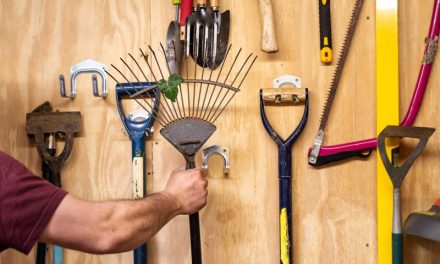
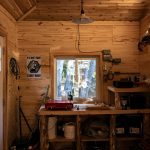
For the walls, you’ve got a few options. You could line them with plasterboard for a clean, room-like finish, which is perfect if you want to convert a garage into an office. For a more rugged workshop feel, plywood is tough and lets you screw hooks and holders pretty much anywhere. Pegboard is another classic for organising hand tools. Finally, don’t skimp on lighting. A mix of bright overhead LED battens for general light and adjustable task lighting over your main work areas will make the space safer and much more enjoyable to use.
With some careful checking and planning, that forgotten garage can become one of the most productive and enjoyable spots in your home. It’s a really satisfying project that unlocks hidden potential right in your own backyard.