What to Do When Your Shed’s Pipes Burst

Discovering a pool of water spreading across your shed floor is a sinking feeling no one wants. Whether your shed is a simple storage space, a workshop, or a backyard retreat, a burst pipe can cause significant damage to the structure and its contents. Acting quickly and correctly is key to managing the situation and preventing a minor mishap from turning into a major disaster.
First Steps for a Burst Pipe
The moment you notice water gushing or pooling from a burst pipe, your first priority is to stop the flow. It’s easy to panic, but a clear, step-by-step approach will make all the difference.
First, you need to shut off the water supply. If your shed has its own stopcock, turn it off immediately. If not, you’ll need to shut off the water main to your entire property. This is usually located at the front of your property near the street, often under a plastic or metal cover. Turning the valve clockwise will stop the water.
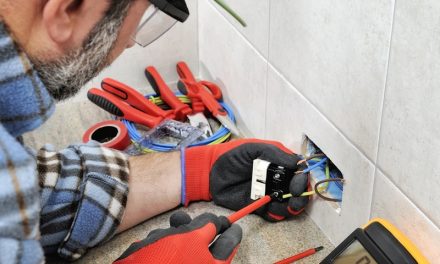
Next, think about electrical safety. Water and electricity are a dangerous combination. If there’s any chance water could reach power points, extension cords, or electrical tools, switch off the power to the shed at your main circuit breaker box. Do not touch any electrical devices or switches if you are standing in water.
Minimising Water Damage
Once you’ve controlled the immediate hazards of water flow and electricity, focus on damage control. The longer water sits, the more harm it does to timber framing, flooring, tools, and stored items. Start by removing as much standing water as you can. Use buckets, old towels, or a wet-dry vacuum to get the bulk of the water out.
Move any valuable or water-sensitive items to a dry area. This includes power tools, bags of fertiliser or seed, cardboard boxes, and any furniture. Prop up items on blocks if you can’t move them completely out of the wet zone. Once the area is clear, open any doors and windows to encourage airflow. If you have fans, set them up to blow across the damp surfaces and speed up drying. While you focus on this initial clean-up, it’s a good time to arrange for a professional plumber to assess the broken pipe and plan the repair.
When to Call a Professional
While you can handle the initial clean-up, repairing a burst pipe is almost always a job for a licensed professional. A DIY repair might seem like a quick fix, but a poorly sealed joint or incorrect pipe fitting can lead to another failure down the track, often with worse consequences.
You should call for help immediately if:
- You can’t find or turn off the water shut-off valve.
- The leak is big and you can’t control the water flow.
- Water has come into contact with your electrical system.
- The burst pipe is inside a wall or under a concrete slab.
A professional will not only repair the break correctly but can also inspect the surrounding plumbing to find any other weak spots or potential issues. They have the right tools and experience to ensure the job is done safely and to code, giving you confidence that the problem is properly solved.
Preventing Future Incidents
After you’ve dealt with the mess of a burst pipe, the last thing you want is a repeat performance. A few preventative measures can significantly reduce the risk of future plumbing failures in your shed.
In colder regions of Australia, freezing temperatures are a primary cause of burst pipes. Water expands as it freezes, putting immense pressure on the pipe until it splits. Insulating any exposed water pipes in your shed is a simple yet effective way to protect against freezing. You can use foam pipe sleeves, which are inexpensive and easy to install.
Regularly inspect the plumbing in your shed. Look for any signs of corrosion, small leaks, or drips, especially around joints and fittings. Addressing a small drip today can prevent a major flood tomorrow. If you plan to be away for an extended period during winter, consider shutting off the water to the shed and draining the pipes completely.
Taking these proactive steps will help ensure your shed and its contents remain safe and dry, letting you enjoy your backyard space without worrying about water-related emergencies.