Spring Cleaning Checklist: 10 Jobs to Do Before Spring Gardening
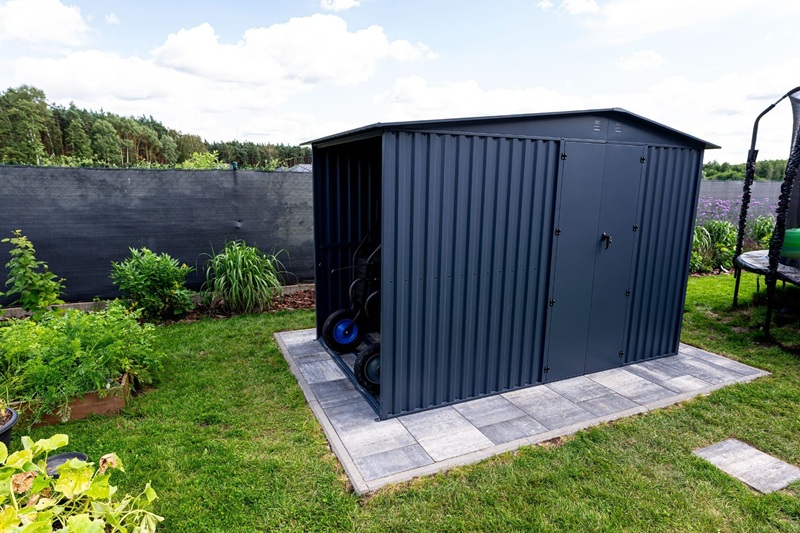
Spring is one of the best times of year to get stuck into the garden. After months of cooler weather, your backyard is ready for a fresh start, and a little preparation now can make the months ahead easier. Before you start planting, fertilising, and planning your next big garden project, there’s some cleaning and shed maintenance to tick off first.
From clearing away winter debris to checking your shed and preparing your garden beds, these simple jobs can set you up for a much more productive spring and help you turn your backyard into a private sanctuary. So, grab your gloves and get ready! Here are 10 jobs to add to your spring cleaning checklist before the serious gardening begins.
1. Get Your Spring Cleaning Supplies Ready
First step: make a list of everything you’ll need to start cleaning your garden shed. Think gloves, brooms, a lawnmower, pots, bin bags, and anything else you regularly use to tidy up your outdoor spaces. Check what you already have before buying more, particularly if your shed has become a little chaotic over the winter caretaking period. And don’t forget a good-quality tarp.
A durable tarp can be very useful around the garden, whether you’re moving mulch and compost, protecting outdoor equipment, covering furniture or preparing soil. There are plenty of tarps online in a wide range of sizes and weights, including medium, heavy, and extra-heavy-duty options for various situations. If you need a versatile cover for your next gardening project, find a good tarp and have one ready before the spring gardening rush begins.
2. Clear Away Winter Debris
Start with the simplest job first: have a good look around your garden and clear away any junk that has accumulated over winter. Leaves, fallen branches, dead plants, weeds and general garden debris can quickly make a backyard look neglected. Gather everything up with a rake or leaf blower, then sort your waste into compostable material, green waste and anything that needs to go to the tip.
A large tarp can make this job much easier, too. Spread it out on the lawn and pile leaves, branches or old mulch onto it as you work. Once you’re done, simply drag the tarp to your compost or green waste area rather than making dozens of trips with a wheelbarrow.
3. Give Your Garden Tools Some Attention
Your garden tools have probably spent the colder months sitting in the shed, so now is a good time to check they’re ready for work. Clean off dirt and rust, sharpen secateurs and pruning tools, and check handles for cracks or damage. It’s much better to discover a blunt pair of secateurs now than halfway through a major pruning job!
Don’t forget about larger equipment, either. Mowers, trimmers, blowers, and other powered tools should be inspected and serviced as needed before you rely on them every weekend. The last thing you want to do is discover you need to buy a whole new big rig in the middle of peak season and peak pricing.
4. Tidy and Inspect Your Shed
While you’re getting your tools ready, give the shed itself a once-over. Sheds spend all year exposed to changing temperatures, moisture, wind and sunlight, so spring is a good opportunity to check for signs of wear. Look at the roof, walls, doors, locks and any areas where water might be getting inside; a small leak is much easier to deal with before it becomes a major problem.
Inside, clear out anything you no longer need and reorganise your gardening equipment so the things you use most are easy to reach. A tidy shed makes a big difference when you’re regularly heading in and out for tools. Get the annoying work done early so other tasks are easier to finish.
5. Clean & Check Outdoor Furniture
Before you spend more time outside in spring, your outdoor furniture deserves some TLC as well. Give chairs, tables, and outdoor settings a thorough clean, and check for mould, dirt, rust, or weather damage. Timber furniture may need sanding or oiling, while metal furniture should be checked for corrosion.
If you’re storing furniture outdoors, make sure your covers are still in good condition. A quality waterproof cover can help protect furniture from rain, dirt and harsh UV exposure, extending its useful life. Outdoor furniture covers are designed to provide waterproof, UV-resistant protection in Australia’s often unpredictable conditions, so consider grabbing one if it looks like your furniture has had a particularly rough winter this year.
6. Prepare Your Garden Beds
Now it’s time to turn your attention to the garden itself. Remove old annuals, dead plants, and unwanted growth from your beds before assessing the soil. Depending on what you’re planning to grow, you may need to loosen compacted soil, add compost or manure, and replenish mulch.
If you’re dealing with an area that’s been overrun by weeds, don’t feel like you have to spend hours digging everything out by hand. Weed-control tarps can cover soil and suppress unwanted growth through occultation, helping to prepare a cleaner bed for future planting. For gardeners planning ahead, this is one job worth starting before you’re ready to plant, and it makes landscaping your shed easier moving forward.
7. Check Your Fences & Garden Structures
Winter weather can be hard on outdoor structures, especially after strong winds or heavy rain. Walk around the garden and check your fences, gates, trellises, pergolas, raised beds and other structures. Look for loose boards, damaged sections, unstable posts or signs of rot.
Make repairs now before climbing plants and spring growth make access more difficult. It’s also a good opportunity to clean or repaint timber structures if they’re looking a little worse for wear.
8. Get on Top of Weeds Early
If there is one garden job that is much easier to tackle early, it’s weeds. Spring’s warmer conditions encourage plenty of plants to grow, including the ones you didn’t invite. Getting on top of weeds before they flower and set seed can save you considerable work later in the season.
Pull smaller weeds by hand, use the appropriate method for larger infestations, and consider covering particularly troublesome areas while you prepare them for planting. The earlier you deal with the problem, the less likely you are to spend the rest of spring chasing weeds around the garden.
9. Check Your Irrigation and Hoses
Your garden will need more water as temperatures rise, so check your watering equipment before you need it. Inspect hoses for cracks and leaks, make sure connections are secure, and test irrigation systems for blocked or damaged outlets. If you use sprinklers or timers, check that they’re still working properly.
This is also a good time to think about where your garden will need the most water. Newly planted beds and containers may need more frequent attention than established plants, so getting your watering setup organised early can save you plenty of time.
10. Clean Gutters, Drains and Outdoor Areas
Don’t forget about the less glamorous parts of your backyard! Clear leaves and debris from gutters, drains and grates around sheds, patios and outdoor entertaining areas. Check that water has somewhere to go and isn’t pooling around structures or garden beds.
Pressure washing can breathe new life into paths, paving, decks, and other hard surfaces, but always make sure the surface is suitable for pressure cleaning first. A clean outdoor area will make your garden feel fresher before you’ve planted anything.
Is Your Backyard Ready for Spring Gardening?
A good spring clean doesn’t have to happen all in one weekend. Work through this checklist over a few days, and you’ll soon have a cleaner, tidier and more functional outdoor space ready for the growing season. Your backyard shed will thank you, too.
More importantly, doing these jobs now means you can spend less time dealing with neglected maintenance once spring gets underway and more time doing what you actually came to the garden for: planting, growing and enjoying it!