Safety First: Assessing Your Shed’s Structure
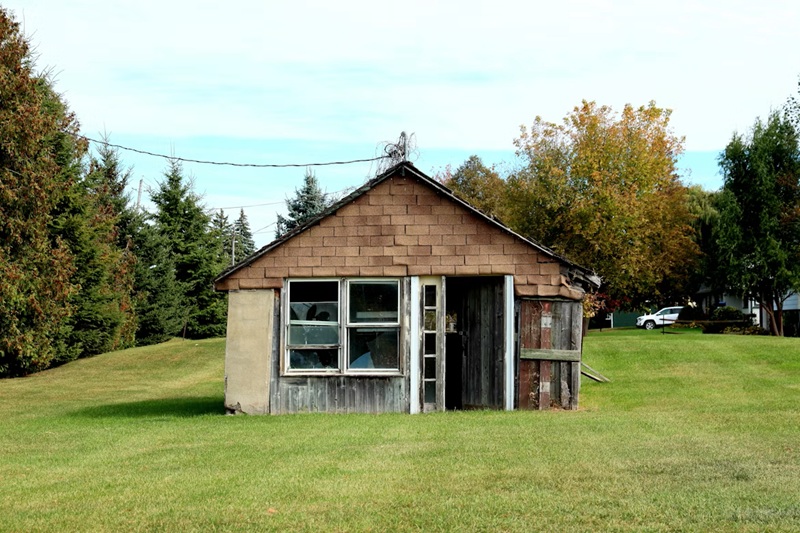
Your shed is more than just a tin box for the mower; it’s a workshop, a storage space, and a quiet retreat. But constant exposure to the Australian climate can eventually take its toll.
A quick visual check every six months can help you spot potential problems before they become dangerous or costly. This guide will show you what to look for when assessing your shed’s structural health.
Why Regular Checks Are Important
Your shed doesn’t just protect your tools and equipment; it needs to be safe for you and your family. A sudden structural failure could cause serious injury or damage everything inside. Regular checks help you catch minor issues, like a small leak or a loose bolt, before they compromise the entire building.
Think of it as preventative maintenance. A bit of time spent checking now can save you a massive headache and an expensive repair bill later. Spotting wear and tear early allows for simple, affordable fixes, whereas ignoring them can lead to irreversible damage.
Signs of Structural Weakness
Knowing what to look for is half the battle. Some problems are obvious, while others are more subtle. Keep an eye out for any signs your building needs attention, as these can apply to sheds just as much as houses.
Watch out for these common red flags:
- Doors or windows that stick or no longer close properly, which can indicate the frame has shifted.
- A noticeable sag in the roofline or bowing in the walls.
- Visible cracks in the walls, floor, or foundation.
- Rusted or bent metal supports and fasteners.
- Spongy or soft spots in the floor, especially in timber sheds.
Catching these issues early gives you a much better chance of fixing them without needing a complete rebuild.
Ceiling Integrity and Safety
The roof and ceiling are your shed’s first line of defence against the elements. Look up and check for any signs of trouble. Water stains, mould growth, or sagging clearly show that moisture is getting in. Over time, this can rot timber framing and cause plasterboard or Gyprock to become heavy and unstable.
A compromised ceiling is a serious safety hazard, as it can collapse without much warning. If you see significant sagging or widespread water damage, you might need a full service from a trusted installer like Celing Replacement Perth to make sure the space is safe to use.
Don’t ignore these warning signs; addressing them promptly is key to protecting the structure and its contents from further harm.
Foundation and Wall Stability
A shed is only as strong as its foundation. Start your inspection at the base. If you have a concrete slab, look for cracks, crumbling edges, or any areas that appear to be sinking or heaving. Uneven ground can put immense stress on the entire frame.
Check the walls for any signs of leaning or bowing. You can use a spirit level against the studs for an accurate reading. Also, inspect the points where the walls meet the foundation and the roof. Gaps or separations here are serious warning signs of structural damage that indicate the structure is shifting and losing its integrity.
When to Seek Professional Advice
While a DIY inspection is a great first step, it’s important to know your limits. If you discover major issues like large, deep cracks in the foundation, walls that are visibly leaning, or extensive water damage and rot, it’s time to call in a professional.
A qualified builder or a structural engineer can properly assess the damage and recommend the safest course of action. Trying to fix significant structural problems yourself without the right expertise can be dangerous and may even make the situation worse. Your safety and the long-term stability of your shed should be the top priority.
Your shed is a valuable asset, so treat it like one. A quick inspection every season can help you stay ahead of structural issues, ensuring it remains a safe and functional space for years to come. Don’t put off a check-up; it’s the best way to protect your investment and everything in it.