What Shed Cleaning Services Actually Include and When it’s Worth Calling One In
A shed rarely gets the same attention as the rest of the house when it comes to cleaning. Most Australians will happily book domestic cleaners in Brisbane or elsewhere for a kitchen and bathroom blitz, yet the shed sits untouched for years, quietly collecting dust, cobwebs, grime and the occasional unwelcome pest. Shed cleaning services exist for exactly this reason, but it’s not always obvious what they actually cover, or at what point a shed has gone from “needs a wipe down” to “needs a professional.” Here’s a practical breakdown of what’s typically included and when it’s worth booking one in rather than tackling it solo.
What shed cleaning services typically cover
Shed cleaning services generally fall into a few core categories. Surface cleaning covers cobwebs, dust and general grime on shelving, benches and walls. Floor cleaning ranges from a basic sweep and mop through to pressure washing for concrete slabs stained with oil, rust or years of built-up dirt. Window and skylight cleaning is often bundled in, since shed windows tend to get overlooked entirely between cleans. Some services also offer mould and mildew treatment, particularly for sheds in humid coastal areas or those without adequate ventilation, along with pest debris removal where rodents, spiders or insects have been active.
More thorough services may include gutter clearing on the shed roofline, degreasing for workshop or mechanic sheds where oil and grease build up on floors and benches, and rust treatment on metal fittings, hinges and shelving. It’s worth checking exactly what’s included before booking, since “shed clean” can mean anything from a quick tidy-up to a full deep clean depending on the provider.
Signs your shed needs more than a DIY wipe down
A shed that gets an occasional sweep usually doesn’t need professional help. The signal to call someone in is when the mess has moved beyond surface dust into territory that’s harder, messier or riskier to deal with alone. Persistent musty smells that don’t clear after airing the shed out are often a sign of mould rather than just dust, and mould removal is not always a job to tackle without the right protective equipment and cleaning products. Similarly, if there is visible black or green mould on walls, ceilings or stored items, professional treatment is usually the safer option rather than scrubbing with household cleaners and hoping it doesn’t come back.
Oil and grease stains that have soaked into concrete over years are another common trigger. These usually need degreasing agents and equipment most households don’t have on hand, and DIY attempts often just spread the stain rather than lifting it. Heavy cobwebs and dust in roof cavities or high shelving can also be difficult and unsafe to reach without the right ladder setup or extension tools, particularly in larger sheds or those with high ceilings.
Pest activity is worth flagging separately. Evidence of rodents, such as droppings or chewed material, or a heavy spider infestation, is a reasonable point to bring in professional cleaning alongside pest control, since simply wiping surfaces down won’t address the underlying issue.
What a typical service visit involves
Most shed cleaning services start with an initial assessment, either in person or based on photos and a description of the shed’s condition. This determines whether it’s a standard clean or something requiring specialised treatment, such as mould remediation. On the day, the process generally works from top to bottom, starting with ceilings, rafters and high shelving before moving down to walls, benches and finally floors. This stops dust and debris from resettling on areas that have already been cleaned.
Pricing is usually based on shed size and condition rather than a flat rate, so a small garden shed with light dust will cost noticeably less than a large workshop shed with grease stains and mould treatment required. It’s reasonable to ask for a rough estimate over the phone before booking, particularly if the shed hasn’t been properly cleaned in several years.
DIY shed cleaning versus calling in a service
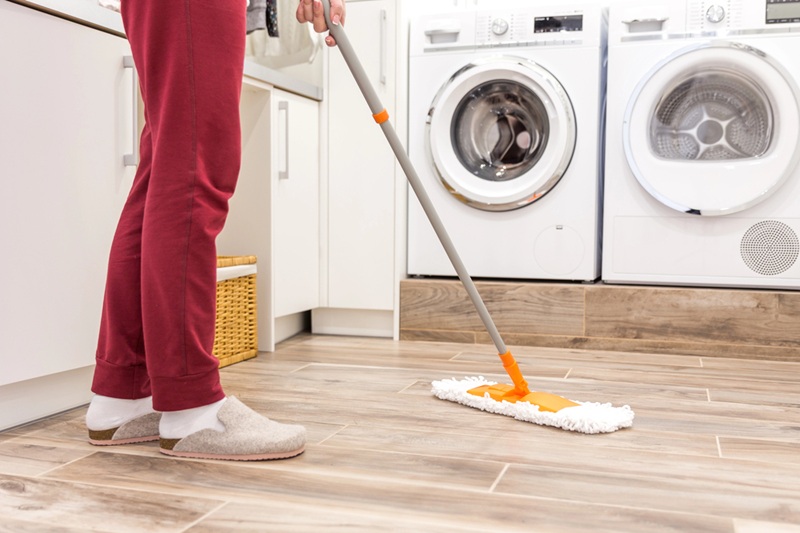
For sheds that just need a general tidy-up, DIY is usually the more cost-effective route. A broom, a mop, some warm soapy water and a couple of hours is often enough to handle dust, light grime and cobwebs in a small to medium shed. Wearing a mask and gloves is a sensible precaution even for a basic clean, given the amount of dust that tends to build up in enclosed storage spaces.
Where DIY starts to fall short is time, equipment and safety. Pressure washing concrete floors properly requires equipment most households don’t own, mould treatment needs the right products to avoid simply spreading spores around, and larger sheds can turn a “quick clean” into a full day’s work. If the shed is being cleared out ahead of a house move, sale or major renovation, a professional service can also be faster, which matters when there’s a deadline involved.
Getting the most out of a professional clean
A little preparation goes a long way toward getting good value from a booked service. Clearing out anything that’s being thrown away or donated beforehand means the cleaners are focused on cleaning rather than sorting through clutter. Pointing out specific problem areas, such as a persistent damp patch or a particularly bad grease stain, when booking helps ensure the right products and approach are used on the day. It’s also worth asking whether the service includes a follow-up or guarantee if an issue like mould reappears shortly after treatment.
The bottom line
Shed cleaning services cover a wide range, from a straightforward surface clean through to mould treatment, degreasing and pest debris removal. A shed with light dust and cobwebs is usually a manageable DIY job, but mould, deep-set grease stains, pest activity or hard-to-reach mess are all reasonable triggers to bring in a professional. Understanding what’s actually included before booking makes it much easier to get the right service for the shed’s actual condition, rather than paying for more than is needed or ending up with less than what the job requires.