Powering Your Workshop Without Running Mains Cables
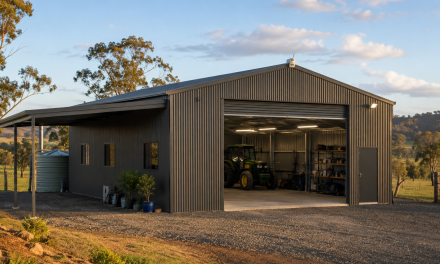
A detached workshop can run reliably without a long mains cable if its energy system matches the tools you actually use. Rooftop panels, battery storage and efficient equipment can support lighting, charging and many common workshop jobs. The key is to calculate both daily energy use and peak demand before buying any components. A qualified installer can then design a safe system that accounts for local sunlight, roof conditions and seasonal changes.
The High Cost of Trenching Mains Power
Connecting a distant shed to mains power may involve excavation, conduit, switchboard upgrades and electrical work. Costs rise when the cable route crosses concrete, gardens, retaining walls or drainage lines. Discussions about wiring a workshop also highlight practical issues such as circuit capacity and the distance between buildings.
Ask a licensed electrician for an itemised quote before assuming trenching is the cheapest option. Include surface repairs and any switchboard changes in the comparison. If the workshop sits well away from the house, a standalone energy system may avoid major ground disturbance while leaving your yard easier to modify later.
Rooftop Space You Already Own
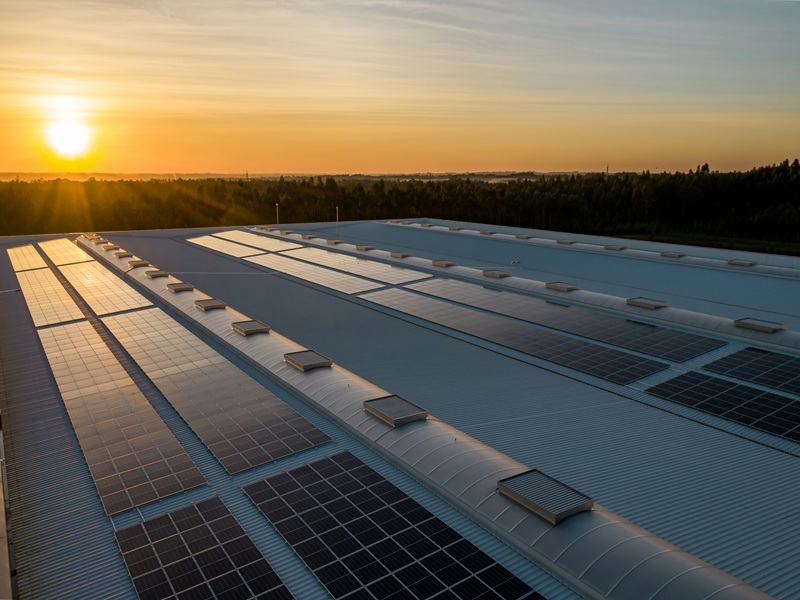
A workshop roof can generate energy close to where you’ll use it. This reduces the need for a long cable run and gives otherwise unused roof space a practical job. Other shed power options include portable battery stations, but a fixed system usually suits regular workshop use better.
Check the roof’s orientation, shading and structural condition first. Nearby trees and buildings can reduce output for hours each day. For homeowners and businesses in Byron Bay and surrounding areas, a professional Solar assessment can compare off-grid, hybrid and battery storage designs. The installer should also confirm safe equipment locations and allow room for future capacity.
Before choosing a setup, it helps to understand which power options suit your workshop and how much energy your tools require. This beginner-friendly guide to setting up off-grid power for your shed explains the basics of portable power stations, solar panels and battery storage, helping you compare practical options before investing in a system.
Calculate Your Daily Tool Wattage
Start with the wattage label on every appliance you expect to use. Multiply each item’s wattage by its daily operating time in hours to calculate watt-hours. A 1,800-watt saw used for 20 minutes consumes about 600 watt-hours, while an 80-watt lighting setup used for five hours consumes 400 watt-hours.
Add extraction equipment, chargers, fans and small appliances to the total. A workshop using 1.9 kilowatt-hours per day might need a design allowance of roughly 2.4 kilowatt-hours to cover system losses and unexpected use. Your inverter must also handle peak demand and short startup surges, especially when two motor-driven tools operate at once.
Reliable Energy in Every Season
Panel output changes with cloud cover, temperature, shading and day length. A system sized around a bright summer day may leave you short during wet or overcast periods. Review expected monthly production and choose battery capacity based on the least productive season in which you plan to work regularly.
Work habits also affect reliability. Schedule energy-intensive jobs for the middle of the day when panels are producing strongly, then reserve stored energy for lighting and charging later. Efficient LED lights and modern chargers reduce the overnight load. If the workshop supports business operations, discuss backup capacity and low-charge protection with the designer so one gloomy week doesn’t bring scheduled work to a stop.
Protect Your System from Coastal Weather
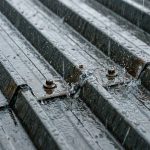
Salt-laden air, humidity and wind can shorten the life of unsuitable equipment near the coast. Ask for corrosion-resistant panel frames, appropriate fixings and enclosures rated for the installation location. Batteries and inverters generally need a dry, shaded and ventilated position that stays within the manufacturer’s temperature limits.
Keep vegetation clear of equipment and arrange inspections after major storms. Look for loose fittings, water entry, corrosion and debris beneath panels, but leave electrical testing and repairs to a licensed professional. A maintenance record helps you track small changes before they become expensive faults.
Once you know the workshop’s daily watt-hours and highest simultaneous load, the design conversation becomes much more precise. Take those two figures, a few roof photos and your typical weekly work schedule to the installer, then size the system for the least sunny months you expect to use the shed.