Can a Robot Vacuum Clean Concrete Garage Floors?
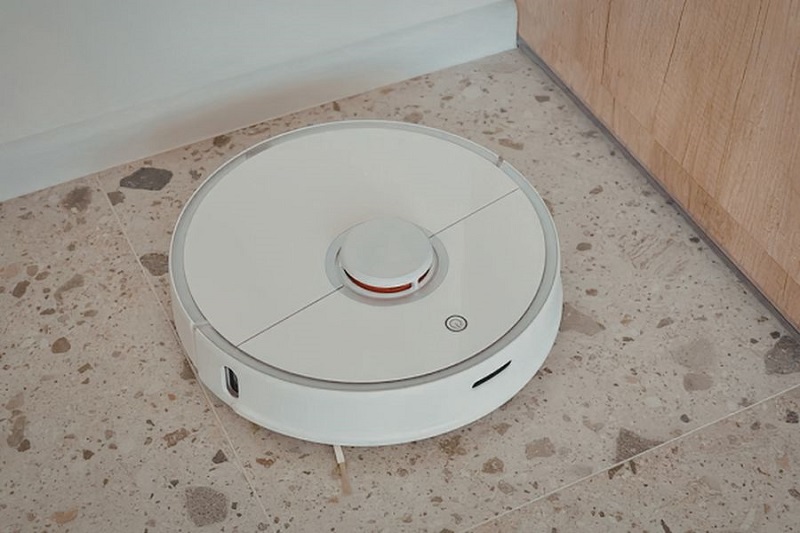
Concrete garage floors can collect a surprising amount of dust, grit, and debris over time. Dirt from car tires, small stones from driveways, and dust from tools or storage areas often accumulate quickly across the surface. Because sweeping a garage floor can be time-consuming, many homeowners look for easier ways to keep the space clean.
Robot vacuums are widely used for indoor cleaning, but garage environments are quite different from typical living areas. Rough concrete surfaces, heavier debris, and open storage spaces can create unique cleaning challenges.
Understanding how garage floors differ from indoor flooring can help determine whether automated cleaning is a practical option and what features matter most when choosing a smart vacuum.
Do Robot Vacuums Work On Concrete Garage Floors?
Yes, robot vacuums can work on concrete garage floors, but their performance depends on the floor condition and the robot’s capabilities. Concrete surfaces are rougher than typical indoor flooring, so dust, sand, and small debris may settle into tiny gaps.
A robot vacuum can still remove loose dirt, leaves, and surface debris effectively, especially with strong suction and durable brushes. Advanced models such as ECOVACS DEEBOT self-empty robot vacuums are designed to handle heavier dust and debris while automatically emptying the dustbin, making them more convenient for spaces like garages.
However, very heavy debris or deep grit may still require occasional manual cleaning. For best results, garages should be relatively clear of large obstacles, and the robot should have good navigation and enough power to handle rough surfaces and heavier particles commonly found in garages.
Why Garage Floors Need a Different Cleaning Approach?
Garage floors create a different cleaning environment compared with typical indoor spaces. Rough surfaces, heavier debris, and dirt tracked in from outside can all affect how easily the floor can be cleaned and how well a robot vacuum performs. Several common factors explain these differences:
- Rough concrete surface: Most garages use unfinished or lightly sealed concrete, which is rougher and more porous than indoor flooring. Dust and grit can settle into small gaps, making debris harder to remove.
- Heavier dust and debris: Garages often collect dirt from car tires, sand from driveways, and sawdust from tools. These materials can accumulate quickly without regular cleaning.
- Debris from outside: Cars and foot traffic frequently bring in leaves, dirt, and small stones. These particles usually gather near entrances and driving paths.
- More obstacles: Storage bins, bicycles, and tool cabinets along the walls create tighter pathways, requiring a robot vacuum to navigate around obstacles.
Because of these conditions, garage cleaning often benefits from strong suction, reliable navigation, and consistent cleaning routines.
What to Look for in a Robot Vacuum for Garage?
Not every robot vacuum performs equally well on concrete garage floors. Certain features make a noticeable difference when cleaning rough surfaces and heavier debris.
Strong Pickup for Dust and Grit
Garage floors often hold a mix of fine dust and small particles. A robot vacuum with strong suction helps lift this debris from the textured surface rather than simply pushing it around.
Better pickup is particularly useful near the garage entrance, where dirt tends to accumulate.
Brush Design That Handles Larger Debris
Garages can contain leaves, wood chips, or small stones. A robot vacuum designed with brushes that handle mixed debris types performs better in these conditions.
Flexible brush systems or wider intake openings can help prevent blockages when larger particles appear.
Navigation That Works in Open Spaces
Many garages have wide, open floor areas combined with clusters of obstacles along the edges. Reliable navigation helps the robot move efficiently across these spaces while avoiding stored items.
Consistent navigation also prevents random movement, allowing the device to cover the floor more systematically.
Handling Obstacles and Edges

Garages may include slight floor transitions, such as thresholds between the interior and the driveway. A robot vacuum with stable wheels and obstacle detection is less likely to get stuck.
Good obstacle recognition also helps the robot avoid items such as ladders, storage bins, or parked equipment.
Robot Vacuum With a Self-Empty Station
Garages often produce more debris than most indoor rooms, so a robot vacuum’s onboard dustbin may fill quickly during cleaning.
A robot vacuum with a self-empty station can automatically transfer collected debris into a larger dustbag after each cleaning cycle. Instead of emptying the bin after every session, the system stores dirt across multiple cleaning runs.
This feature can be especially useful in garages where dust, sand, and grit accumulate frequently.
Preparing Your Garage for Robot Vacuum Cleaning
Even a capable robot vacuum works better when the environment is prepared properly.
Picking up small tools, loose cords, or scattered parts allows the robot to move freely. This step also prevents objects from being pulled into the brushes.
The charging dock should be placed in a location with open space around it. In garages, this often means positioning it along a wall away from heavy storage zones.
Frequent cleaning keeps dust and debris from building up too heavily. Running the robot several times a week helps maintain a manageable level of dirt on the floor.
Conclusion
Concrete garage floors can benefit from automated cleaning, especially in spaces where dust and debris accumulate quickly. A robot vacuum can help maintain cleaner surfaces between manual sweeping sessions. Choosing features such as strong suction, brush systems that handle mixed debris, reliable navigation, and self-empty capabilities improves performance in garage environments.
With the right setup and a consistent cleaning routine, a robot vacuum can become a practical tool for keeping garage floors cleaner with less manual effort.