Keeping Your Shed Watertight and Weatherproof

A leaky shed isn’t just a small annoyance; it’s a direct threat to your tools, stored belongings, and the building itself. Even a small drip can quickly lead to widespread damage, turning your useful storage space into a damp, moldy problem. Keeping your shed watertight is one of the most important maintenance jobs you can do.
Common Shed Water Entry Points
Water is persistent and will find any weak point to enter your shed. Before you can fix a leak, you need to find its source. Most often, water gets in through predictable spots that have failed over time.
A regular inspection, especially after heavy rain, can help you pinpoint these problem areas. Check around:
- Windows and Doors: Gaps in the sealant or framing around windows and doors are prime culprits. Old, cracked caulking or worn-out weather stripping lets rain seep in easily.
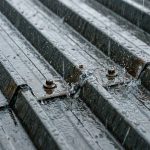
- Roof Joints and Seams: On a metal shed, screws and panel overlaps can loosen. On a timber shed, shingles or roofing felt can crack and lift. The ridge cap and any vents are also common failure points.
- The Base or Foundation: Water can pool at the base of your shed and enter through the gap between the walls and the concrete slab or timber floor.
- Wall Panel Intersections: Where wall panels meet or at corner trim, the original seals can degrade, creating small channels for water to enter.
The Impact of Moisture on Sheds
Even a small amount of moisture can cause significant problems if left unchecked. The damaging impact of weather goes beyond a simple puddle on the floor. Consistent dampness creates an environment where rust can flourish, corroding your valuable tools, bikes, and equipment.
For timber sheds, the risk is rot. Moisture softens the wood, compromising its strength and eventually leading to structural failure. This damp environment is also the perfect breeding ground for mold and mildew, which not only smell unpleasant but can damage stored items like cardboard boxes and fabrics, and pose health risks.
DIY Versus Professional Sealing Options
For minor leaks and small gaps, a DIY approach can work. A trip to the hardware store for a quality silicone or polyurethane sealant can solve many common problems around windows and small cracks. Applying new weather stripping around a door is another straightforward job that makes a big difference. These tasks are perfect for a weekend afternoon.
However, some jobs need a more robust solution. If you’re dealing with major gaps, failing seals throughout the structure, or leaks at the foundation, the job can become complex. Achieving a truly durable, waterproof seal that can withstand Australia’s harsh weather requires the right materials and application technique. For a guaranteed result, especially on larger or more valuable sheds, using professional caulking services ensures the job is done correctly with commercial-grade products that last.
Maintaining Seals for Longevity
Sealing your shed isn’t a one-time fix. Sealants expand and contract with temperature changes and degrade over time with UV exposure. To ensure your shed stays dry, you need to perform regular maintenance checks. Twice a year, walk around your shed and inspect all the seams, joints, and seals.
Look for any signs of cracking, peeling, or shrinking in the sealant. Press on it lightly; if it feels hard and brittle rather than flexible, it’s likely time to replace it. Catching these small failures early and applying a fresh bead of sealant is much easier than dealing with the water damage that will eventually follow. Learning how to properly weatherproof your shed involves both the initial fix and ongoing upkeep.
Beyond Water: Air Leaks and Energy Use
A fully sealed shed doesn’t just keep water out; it also prevents air leaks. Sealing gaps stops dust and pollen from blowing in, keeping your stored items cleaner. It also creates a barrier against spiders, ants, and other pests looking for shelter.
If you use your shed as a workshop, home office, or studio, these air leaks have another effect: energy efficiency. Drafts make it harder and more expensive to heat or cool the space. By creating an airtight structure, you’ll find the internal temperature is much more stable and comfortable, saving you money on your power bill if you run a heater or air conditioner.
A watertight and weatherproof shed protects your investments and provides a reliable, usable space for years to come. A quick inspection this weekend is a great place to start.