How to Protect Paver Driveways and Patios from Florida’s Sun, Rain and Salt Air
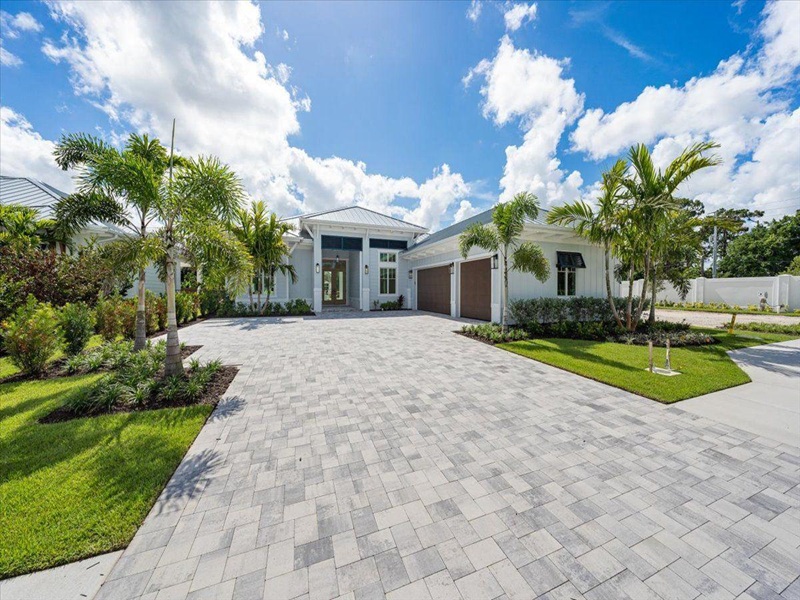
Pavers are one of the most popular choices for driveways, patios and pool decks in Florida, and for good reason. They’re durable, they look great and individual pieces can be replaced if one cracks. But Florida’s climate is hard on them. Strong sun, heavy rain, high humidity and, near the coast, salty air all take a toll over time.
The good news is that a little regular care goes a long way. Here’s what actually wears pavers down in Florida and how to keep them looking good for years.
What Florida’s Weather Does to Pavers
The sun is the first problem. Over time, UV rays fade the color of concrete pavers, leaving them looking dull or chalky. Driveways and pool decks that sit in full sun all day fade fastest.
Rain is the second. South Florida gets most of its rain in a short window. According to the National Weather Service, about 69% of the region’s yearly rain falls during the wet season, which typically runs from late May to mid-October. Heavy downpours wash out the sand between pavers, and once those joints empty out, weeds and ants move in and the pavers can start to shift.
Humidity and shade add a third problem: algae and mildew. Pavers under trees or on the north side of a home can turn green or black, and that growth also makes them slippery.
Finally, there are stains. Oil from cars, leaves left sitting after storms and orange rust stains from irrigation water are all common. The longer a stain sits, the harder it is to remove.
Clean First, Then Protect
The most important step in caring for pavers is a proper cleaning. That means removing dirt, algae, weeds and stains without blasting the surface so hard that it damages the pavers or empties the joints. After cleaning, any washed-out joint sand should be replaced so the pavers stay locked in place.
Many homeowners then choose to seal their pavers. A good sealer helps protect color from the sun, makes stains easier to clean and helps hold the joint sand in place during heavy rain. In Florida, most pavers need resealing about every 2 to 3 years, depending on the sealer, the amount of sun and how much traffic the surface gets.
A simple way to check whether your sealer is still working: sprinkle a little water on the pavers. If it beads up, you’re still protected. If it darkens the paver and soaks in quickly, it’s probably time to reseal.
Timing Matters More Than Most People Think
Sealer needs dry conditions to cure properly. Pavers have to be completely dry after cleaning, and most sealer manufacturers say not to apply it if rain is expected within 24 hours. Rain on fresh sealer can leave white spots or a cloudy haze that’s difficult to fix.
That’s why many Florida homeowners schedule paver sealing during the dry season, roughly November through April. There are fewer surprise storms, temperatures are milder and it’s easier to get several dry days in a row. If you live in northern Palm Beach County, a local company such as Dan Ryan’s paver sealing service in Jupiter can check whether your pavers are due and plan the job around the weather.
If your pavers are newly installed, wait before sealing. Many paver manufacturers recommend waiting about 60 days after installation.
Extra Care Near the Coast
Homes close to the ocean or the Intracoastal Waterway deal with salty air and more moisture. Rinsing pavers with fresh water now and then helps, and these surfaces often need cleaning more frequently than pavers farther inland. For pool decks, choose a low-gloss or anti-slip sealer finish, because high-gloss finishes can get slippery when wet.
A Simple Paver Care Routine
- Sweep regularly and rinse off leaves, dirt and salt.
- Treat oil and rust stains as soon as you notice them.
- Pull weeds before they spread through the joints.
- Have pavers cleaned and the joint sand checked once a year.
- Reseal every 2 to 3 years, ideally in the dry season.
Florida’s weather isn’t going to change, but with regular cleaning, good timing and the right sealer, your pavers can handle it and keep looking great for many years.