How Custom Farm Sheds & Outbuildings Boost Rural Property Valuation
Picture a buyer standing between two similar holdings: one with bare paddocks and a dilapidated tin shed, the other with a modern machinery barn, covered hay storage, and proper livestock facilities. The second property consistently attracts stronger offers and sells more quickly. That’s the reality of rural property markets today.
Well-designed farm sheds and outbuildings can transform an average rural holding into a highly desirable asset, directly influencing both market appeal and final sale price.
The Tangible Value of Functional Infrastructure
When evaluating rural properties, prospective buyers assess more than just acreage and pasture quality. They calculate the immediate costs they’ll face after purchase. A property equipped with substantial, purpose-built sheds eliminates the need for significant capital expenditure during those crucial first years of ownership.
Quality machinery sheds protecting equipment from the elements add considerable value to a property’s asking price, depending on size and construction quality, according to rural estate agents. Hay storage facilities that preserve feed quality year-round hold similar weight. These represent essential infrastructure that working farms require to operate efficiently.
Properties lacking these facilities force buyers to budget for immediate construction, diverting funds from livestock purchases, land improvements, or working capital. Well-equipped properties stand out dramatically in competitive rural markets.
How Different Outbuildings Impact Buyer Perception
Machinery Sheds
A properly constructed machinery shed signals responsible property management. Modern farm equipment represents significant investment, and buyers immediately recognise the value of covered storage that prevents rust, weather damage, and depreciation.
The ideal machinery shed features concrete flooring, adequate height for larger equipment, and multiple access points for efficient workflow. Generous shed dimensions accommodate most standard farming machinery, whilst properties with even larger proportions appeal to buyers running substantial operations.
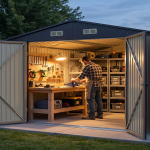
Buyers also value electrical connections, proper lighting, and workshop spaces within machinery sheds. These features transform basic storage into productive work environments where maintenance and repairs happen efficiently regardless of weather conditions.
Hay and Feed Storage
Livestock operations depend heavily on quality feed storage. Buyers grazing cattle, sheep, or horses immediately calculate potential feed losses when viewing properties without adequate covered storage.
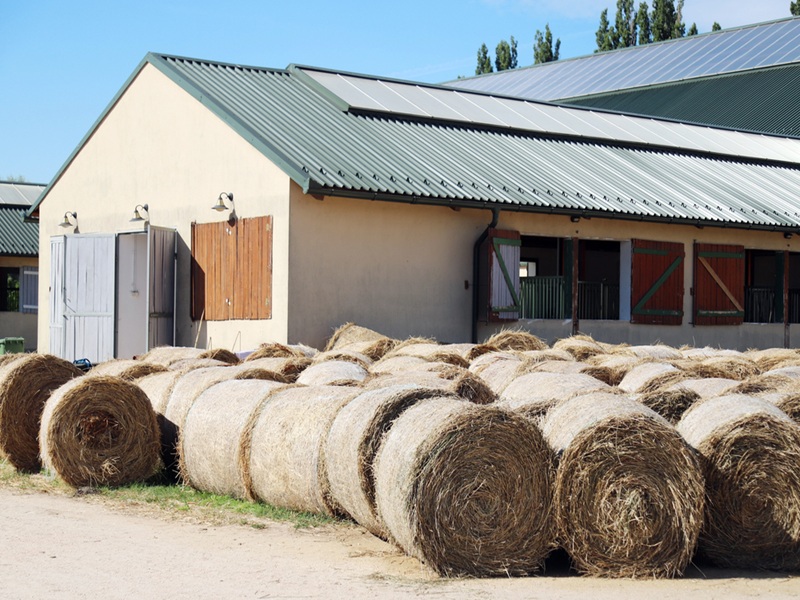
A well-ventilated hay shed prevents moisture damage and mould formation, preserving nutritional value and preventing wastage with improper storage. For working farms, that means substantial annual savings.
Three-sided designs with proper elevation and airflow demonstrate an understanding of agricultural best practices. Buyers notice these details, recognising that previous owners invested thoughtfully rather than simply erecting basic structures.
Livestock Handling Facilities
Covered yards, cattle crushes, and sheltered handling areas significantly enhance property appeal for livestock producers. These facilities improve animal welfare, increase workplace safety, and enable year-round operational efficiency.
Properties equipped with veterinary crushes, loading ramps, and weather-protected working areas command premiums because they allow immediate productive use. Buyers can begin operations on day one rather than spending months planning and constructing essential infrastructure.
Construction Quality Makes the Difference
Not all outbuildings contribute equally to what buyers will pay. Hastily erected structures using substandard materials can actually detract from appeal, signalling neglect or financial shortcuts that raise questions about the entire property’s maintenance history.
Quality construction features that buyers scrutinise include:
- Engineered steel frames with appropriate wind and snow load ratings
- Durable roofing materials with adequate pitch for runoff
- Concrete foundations and flooring rather than bare earth
- Proper drainage surrounding structures
- Clear spans without obstructive internal posts
- Adequate natural light through translucent panels or proper fenestration
Buildings meeting current planning regulations and building codes provide peace of mind. Structures erected without proper permissions can become liabilities, potentially requiring costly modifications or even removal.
Strategic Placement and Site Planning
The location of farm buildings within a rural property significantly affects both functionality and market appeal. Thoughtful placement demonstrates agricultural competence and enhances daily operational efficiency.
Machinery sheds positioned near property entrances reduce paddock traffic and soil compaction whilst enabling convenient access for deliveries and collections. Hay storage benefits from elevated, well-drained sites that prevent moisture ingress. Livestock facilities function best when integrated into existing handling systems, minimising animal movement distances.
Properties exhibiting coherent site planning, where buildings form logical operational clusters, regularly achieve stronger sale prices than those with haphazard structural placement. Buyers immediately recognise the difference between deliberate design and opportunistic construction.
The Flexibility Factor
Modern rural buyers often pursue diverse agricultural enterprises beyond traditional farming. Properties with adaptable outbuildings appeal to this expanding market segment.
Sheds designed with flexible internal layouts accommodate changing uses over time. A structure serving machinery storage today might house alpacas, workshop spaces, or processing facilities tomorrow. Consider the smallholder who converted an implement shed into a licensed meat processing facility, adding farm-gate sales that significantly increased the property’s eventual sale price. This versatility particularly appeals to buyers exploring value-added agricultural products, agritourism, or diversified farming operations.
Higher stud heights, removable internal partitions, and generous dimensions all contribute to adaptability. Properties offering this flexibility consistently attract broader buyer interest, directly supporting stronger prices.
Regional Market Considerations
Rural property markets vary considerably across regions, and outbuilding importance reflects local agricultural practices. Arable farming areas place premium emphasis on grain storage and large machinery sheds, whilst pastoral regions prioritise livestock facilities and hay storage.
Understanding these regional preferences helps property owners make strategic infrastructure investments. International property markets follow similar patterns, with agricultural infrastructure enhancing land prices whether you’re looking at dairy country or sourcing rural acreage through Davidson Cameron & Co in Australia’s pastoral regions. The principle remains constant: infrastructure should align with the region’s predominant agricultural uses.
Properties in areas supporting diverse agricultural activities benefit from varied infrastructure that appeals to multiple buyer profiles. This diversification can insulate property prices during sector-specific downturns.
Quantifying the Return on Investment
Rural property owners often question whether building costs justify the resulting increases in sale price. Whilst individual circumstances vary, quality agricultural buildings typically return substantial portions of construction costs in added property worth, according to rural valuers.
However, the calculation extends beyond simple arithmetic. Properties with comprehensive infrastructure sell faster, often receiving multiple offers that drive final prices beyond initial expectations.
The timing advantage also matters significantly. Properties requiring no immediate infrastructure investment attract buyers ready to operate productive enterprises immediately, a substantial market advantage.
Maintenance and Presentation Matter
Existing outbuildings only contribute positively when properly maintained. Peeling paint, rusted roofing, and deteriorating structural elements suggest deferred maintenance that colours buyer perceptions of the entire property.
Regular maintenance, including repainting, gutter cleaning, and minor repairs, preserves both functionality and visual appeal. Properties presenting well-maintained infrastructure consistently achieve prices at the higher end of comparable sales.
The Bottom Line on Farm Buildings
Custom farm sheds and outbuildings represent far more than simple storage spaces. They constitute productive infrastructure that enables efficient agricultural operations, protects valuable assets, and demonstrates thoughtful property stewardship.
For rural property owners contemplating infrastructure investments, the message is clear: quality outbuildings deliver tangible returns through enhanced marketability, broader buyer appeal, and stronger sale prices. In competitive rural property markets, comprehensive infrastructure often makes the difference between properties that languish and those that sell quickly at premium prices.